
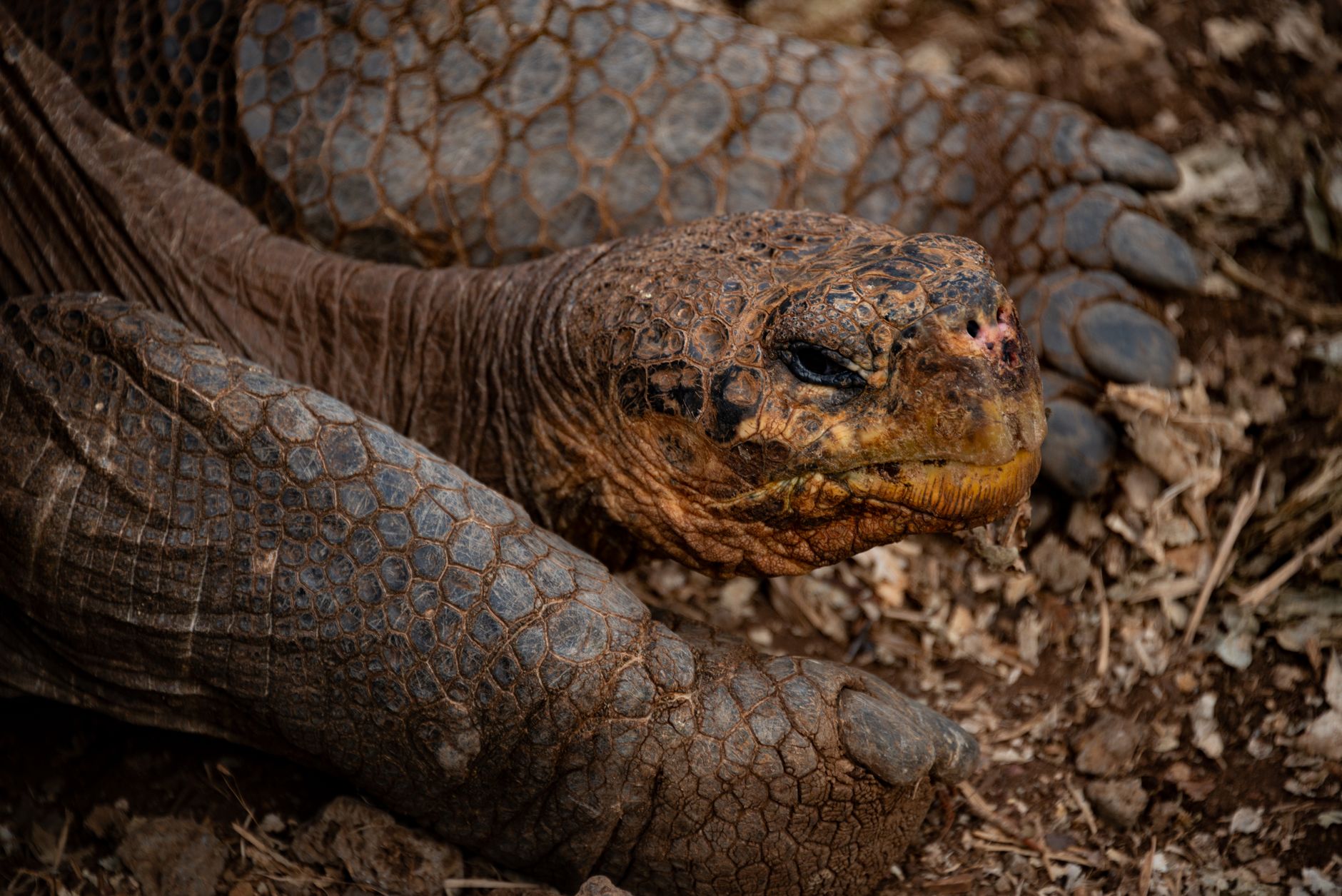
Biologists and geneticists have finally unlocked a piece of one of nature's greatest longevity mysteries by sequencing the genome of Jonathan, the nearly 200-year-old giant tortoise residing on the remote Atlantic island of Saint Helena. While internet hoaxes earlier this year falsely claimed the historic animal had passed away, Jonathan remains very much alive and well, continuing to defy the typical biological limits of his species. Although giant tortoises frequently outlive humans, standard life expectancy for an Aldabra giant tortoise typically peaks around 100 to 150 years, making Jonathan an extraordinary outlier.
To understand the biological mechanisms behind his remarkable lifespan, a team of researchers from the longevity research nonprofit Kallel gathered genetic material via a simple cheek swab. Because Jonathan is a protected animal, drawing blood was not a viable option. Alongside sequencing his complete set of genes, the team analyzed his epigenome, mapping out the chemical compounds responsible for switching specific genes on and off through DNA methylation over time.
When comparing Jonathan's epigenetic data against younger members of his species—including a 5-year-old Aldabra named Tank and specimens up to 91 years old—scientists discovered a striking anomaly. Senior study author Stephen Clark noted that Jonathan's DNA methylation patterns within certain mitochondrial genes remained remarkably youthful, closely mirroring those of the 5-year-old tortoise rather than aging specimens. This marks the first time researchers have tracked epigenetic shifts across such an immense chronological timespan in a living creature.
The implications of these findings extend far beyond veterinary science. Researchers at Kallel aim to leverage these discoveries to identify therapeutic drugs capable of targeting human epigenomes and preserving mitochondrial health. While Jonathan is currently blind, his hearing remains intact, and experts believe he could continue living for years to come. Future research depends heavily on philanthropic support, with plans already underway to examine the genomes of other exceptionally long-lived species in nature.





Comments