
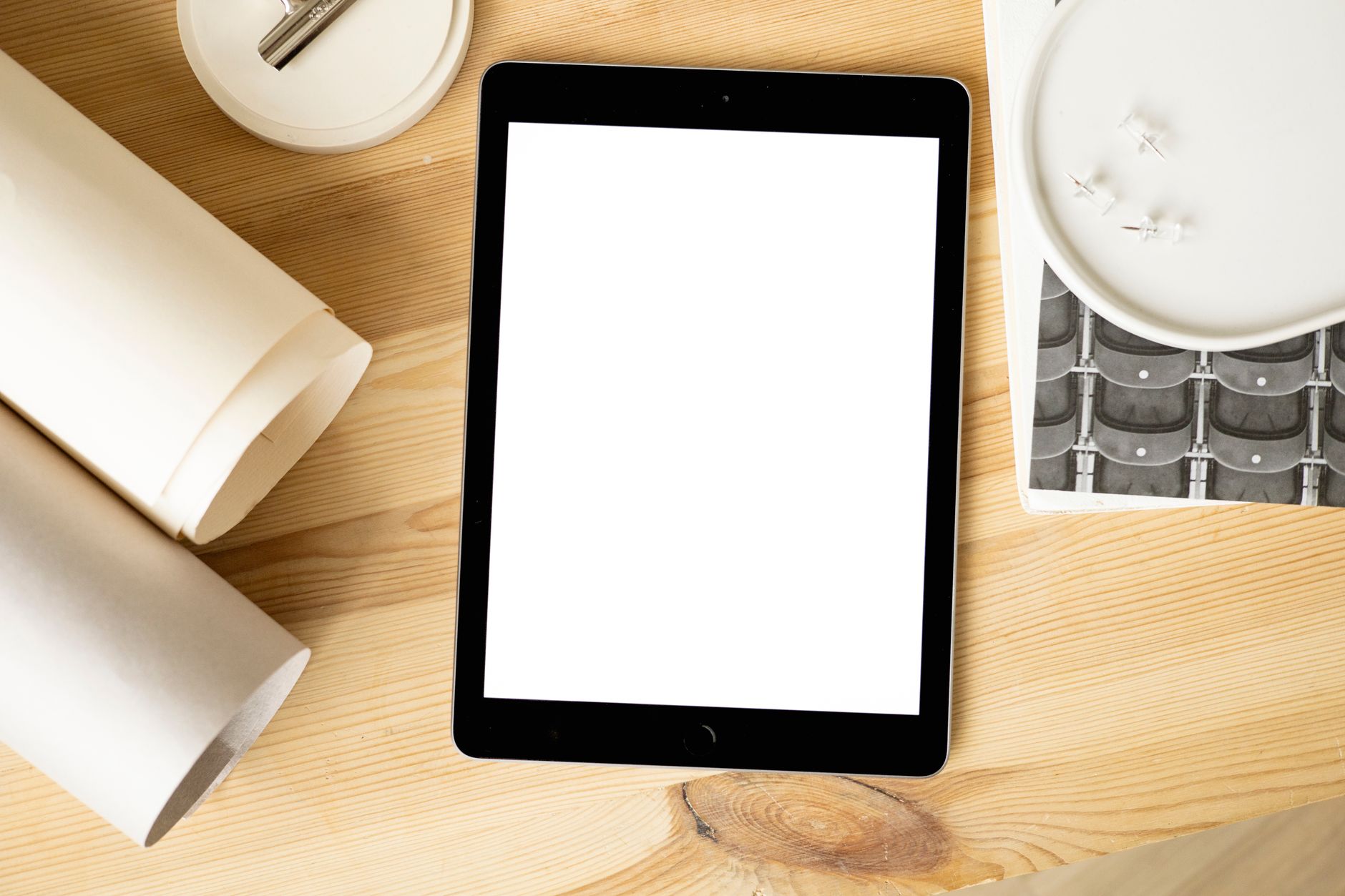
Google designed Android Auto to project a simplified, driver-friendly dashboard onto a vehicle display, keeping maps, media, and messaging easily accessible. However, a clever hardware workaround allows users to bring that exact interface straight to a desk or kitchen counter. By installing a modest third-party receiver app on a secondary Android tablet, the device can effectively masquerade as a car screen without a vehicle in sight.
Setting up the desktop interface requires an Android phone running version 11 or newer, a spare tablet, a data-capable USB cable, and a receiver application available on the Google Play Store. Tools such as Open Headunit, formerly known as Headunit Revived, or Headunit Reloaded cost a few dollars and bridge the gap between the two devices. Once the receiver app is active on the tablet and connected to the primary smartphone via USB, Android Auto launches on the secondary screen, handling media playback and voice-dictated messaging while offloading heavy processing to the phone.
Beyond serving as an unusual tech experiment, this setup offers genuine productivity advantages. The locked-down, minimalist nature of Android Auto acts as an effective digital detox filter, preventing users from getting sucked into endless social media scrolling when they merely intended to check a song title. Large touch targets make pausing Spotify or skipping a podcast effortless, while incoming messages can be read aloud. While the configuration comes with minor quirks—such as tying up the tablet's charging port and lacking native support from Google—it provides a practical second life for aging hardware gathering dust in a drawer.

Comments