
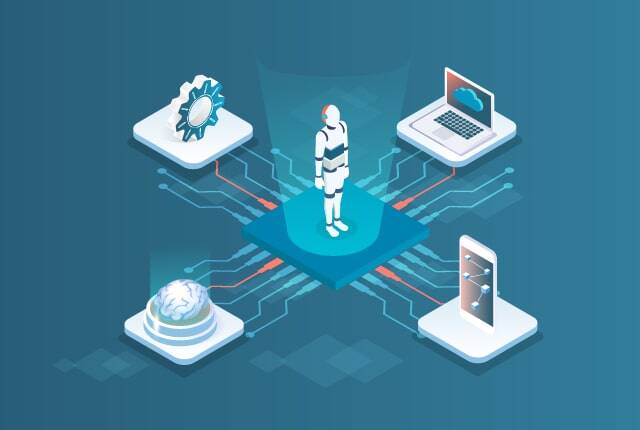
Artificial intelligence is rapidly transforming the software testing landscape, enabling organizations to develop, test, and deploy applications faster than ever before. AI-assisted software testing is becoming a key component of modern software development, helping quality assurance teams automate repetitive tasks, improve test coverage, and identify issues more efficiently throughout the development lifecycle.
As businesses increasingly adopt agile development methodologies and continuous integration/continuous deployment (CI/CD) practices, the demand for faster and more reliable testing processes continues to grow. Traditional testing approaches often require significant manual effort and can become a bottleneck in software delivery. AI-powered testing tools are helping organizations overcome these challenges by introducing greater automation and intelligence into the quality assurance process.
One of the most significant benefits of AI-assisted testing is automated test case generation. Machine learning algorithms can analyze application requirements, user behavior, and historical testing data to create test scenarios automatically. This reduces the time required for test design while ensuring broader test coverage across different application components.
AI is also improving test execution efficiency. Intelligent testing platforms can prioritize critical test cases, identify high-risk areas of an application, and optimize testing schedules. By focusing resources on the most important tests, organizations can accelerate release cycles without compromising software quality.
Bug detection and defect prediction have become major strengths of AI-powered testing solutions. Machine learning models can analyze code changes, identify patterns associated with previous defects, and predict areas where bugs are most likely to occur. This allows development teams to address potential issues earlier in the software development lifecycle.
Regression testing, which is often one of the most time-consuming aspects of software quality assurance, is being enhanced through AI automation. Intelligent systems can determine which tests need to be executed after code changes and automatically update test scripts when application interfaces evolve. This reduces maintenance efforts and increases testing efficiency.
AI-assisted testing is particularly valuable in complex enterprise applications where thousands of test cases may be required. By automating repetitive testing activities, organizations can significantly reduce testing time while allowing QA professionals to focus on exploratory testing, usability evaluation, and strategic quality initiatives.
The rise of AI-powered visual testing is further improving software quality. Advanced computer vision technologies can detect user interface inconsistencies, layout issues, and visual defects across different devices, browsers, and operating systems. This capability helps ensure a consistent user experience across multiple platforms.
Software development teams are also leveraging AI to improve performance testing. Intelligent systems can simulate user behavior, analyze system performance metrics, and identify potential bottlenecks before applications reach production environments. This proactive approach helps organizations deliver more reliable and scalable software solutions.
The growing adoption of AI-assisted testing is benefiting industries such as finance, healthcare, e-commerce, telecommunications, and enterprise software development. Organizations in these sectors rely on high-quality applications and are increasingly investing in intelligent testing solutions to support digital transformation initiatives.
Despite its advantages, AI-powered testing is not replacing human testers. Instead, it is augmenting their capabilities by automating repetitive tasks and providing deeper insights into application quality. Human expertise remains essential for understanding business requirements, evaluating user experiences, and making strategic quality decisions.
Industry experts predict that AI-assisted software testing will become a standard practice across the software industry over the next few years. As AI models continue to improve, testing platforms will become more accurate, adaptive, and capable of handling increasingly complex development environments.
The integration of artificial intelligence into quality assurance reflects a broader shift toward intelligent software engineering. Organizations that successfully adopt AI-powered testing tools can achieve faster development cycles, improved software quality, reduced operational costs, and enhanced customer satisfaction.
As software systems become more sophisticated and development timelines continue to shorten, AI-assisted testing is emerging as a critical technology for ensuring speed, reliability, and innovation in modern software development.





Comments