

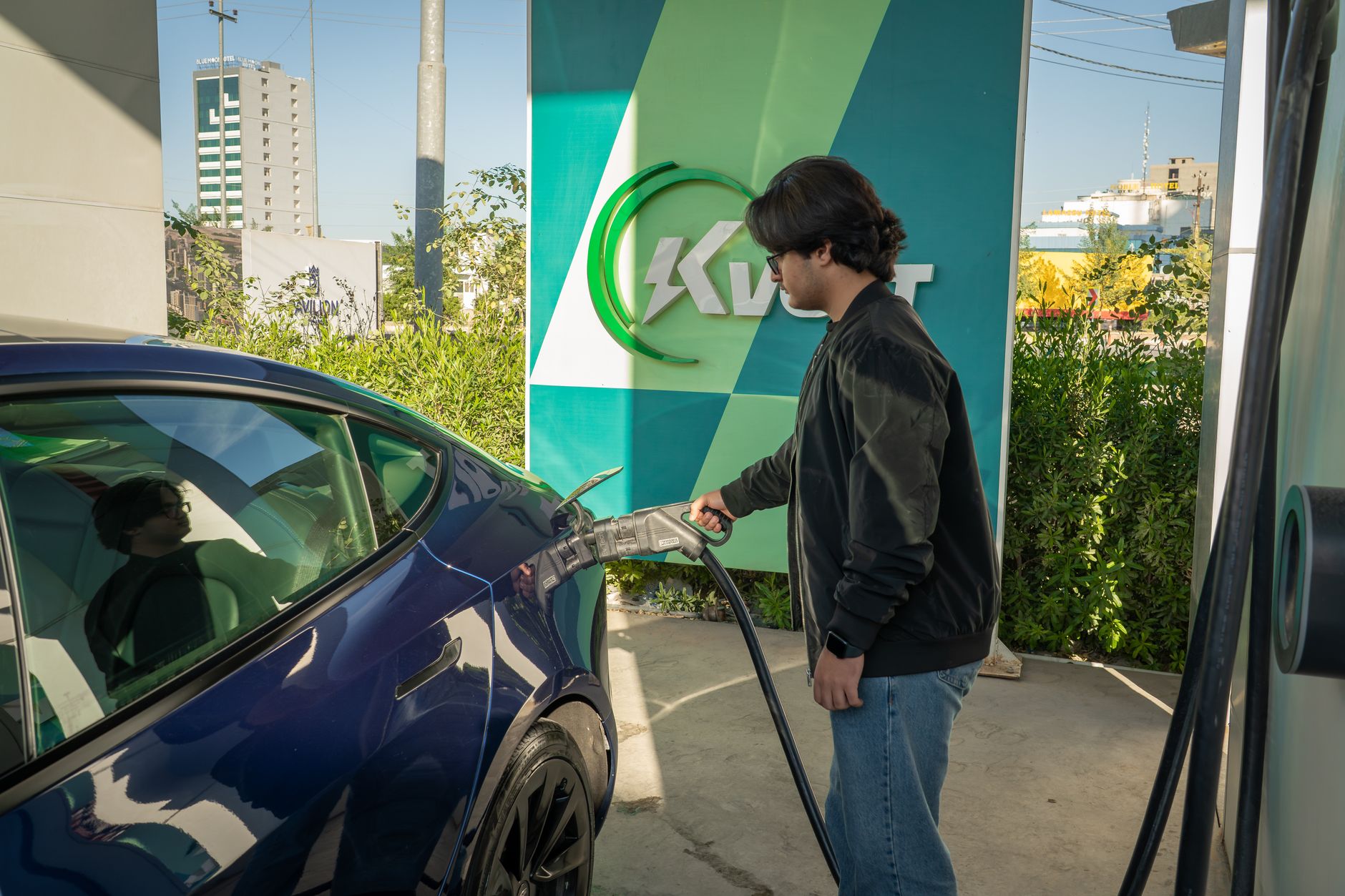
When drivers pull into a fast-charging station on a freezing morning without preparing their vehicle, they often notice slower charging speeds. Automakers like Tesla advise owners to set fast chargers as navigation destinations 30 to 45 minutes in advance, allowing the car to warm up the battery. Porsche similarly warns that failing to precondition the vehicle can reduce charging power. This warm-up routine forms just one part of a modern electric vehicle's thermal management system, which also includes intricate cooling loops designed to protect the hardware.
Fleet management research from Geotab tracking more than 22,700 electric vehicles reveals that batteries lose an average of 2.3 percent of their health each year. Vehicles operating in hot climates experience about 0.4 percentage points higher annual degradation. Furthermore, frequent use of fast chargers exceeding 100 kW accelerates this wear to 3 percent annually, compared to 1.5 percent for cars that rarely rely on high-speed charging. Pushing 300 amps or more through a battery pack generates significant waste heat. Academic reviews published in the journal Energies indicate that temperature variations exceeding 5 degrees Celsius across a single cell can accelerate aging by 25 percent, making uniform cooling essential.
Early electric vehicles like the original 2010 Nissan Leaf utilized passive air cooling, which later prompted range-loss concerns in hot environments like Phoenix. Modern manufacturers have largely shifted toward liquid cooling, which requires two to three times less energy than air systems to maintain stable temperatures. Alternative approaches exist across the industry; BMW utilized direct refrigerant cooling for the i3, while McLaren's Speedtail submerged cells in electrically insulated oil for immersion cooling. Simulations suggest immersion methods can dissipate heat up to three times more effectively than traditional cooling plates.
Vehicle thermal architectures route heat through various exchangers depending on the load. Nissan systems toggle between radiators for light loads and air conditioning heat exchangers for rapid charging. Tesla's Model Y employs an integrated component known as the Octovalve to direct coolant between motors, electronics, and the battery pack. Meanwhile, General Motors incorporates a heat pump that harvests waste heat from power electronics, the battery pack, and cabin occupants to extend overall driving range by roughly 10 percent. Regulatory bodies, such as those in China, increasingly mandate strict thermal runaway protections, relying on advanced cooling and insulation to prevent heat propagation between individual cells.



Comments