
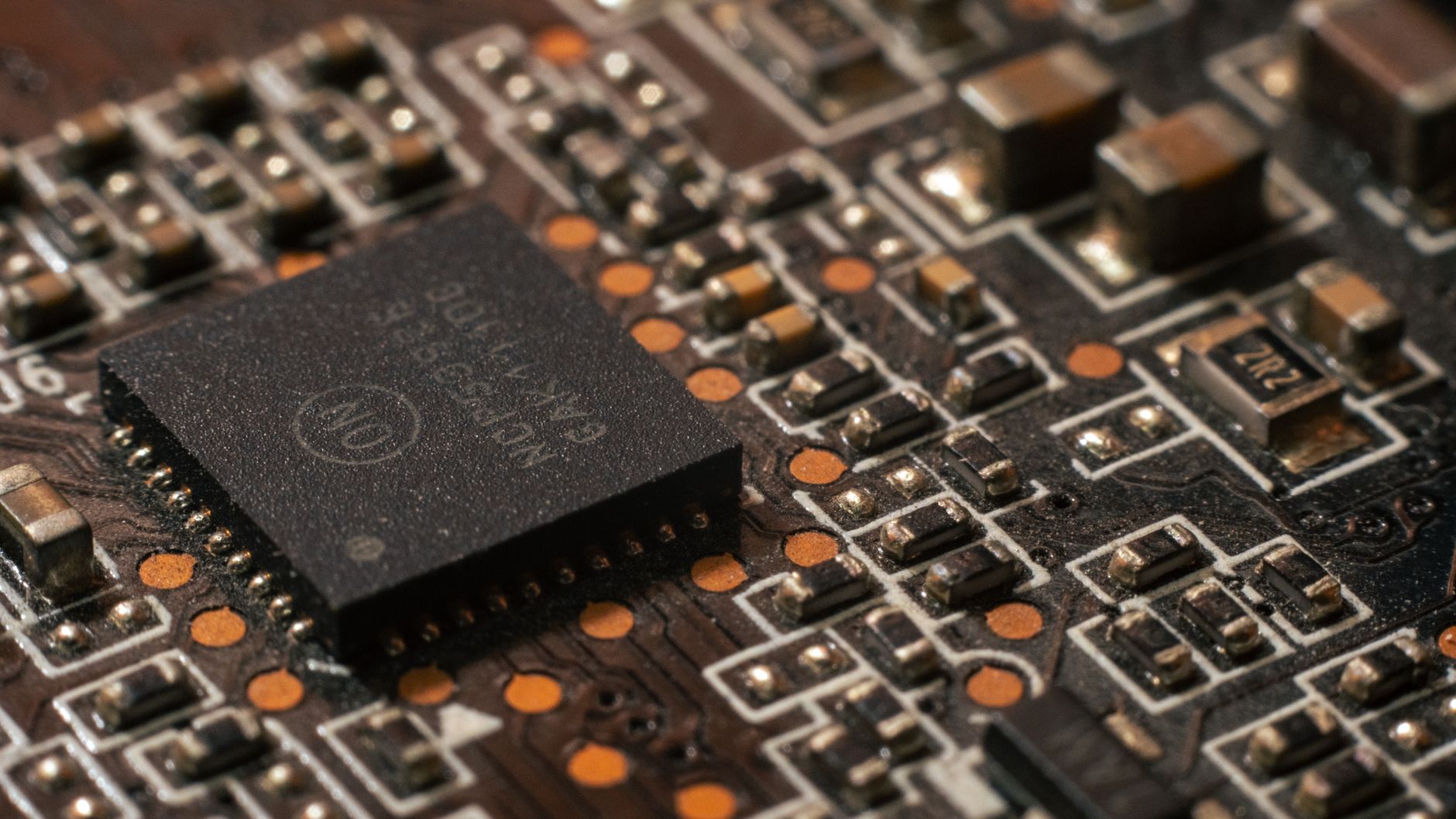
Semiconductor titan Intel has agreed to acquire Classiq, an enterprise software startup specializing in quantum algorithms. This tactical move brings advanced circuit synthesis directly under the chipmaker's hardware division. As the race to achieve commercial quantum utility accelerates, legacy silicon giants face mounting pressure to control both the physical processors and the complex software stacks required to run them. Classiq built its reputation on an automated development platform that translates high-level functional descriptions into optimized quantum circuits. Rather than forcing developers to write low-level machine instructions manually, the startup's engine abstracts the heavy lifting, a capability Intel desperately needs to make its upcoming quantum processors usable for enterprise clients.
The integration will see Classiq's team embed their software tools directly into Intel's existing quantum development kits. For years, the industry bottleneck has shifted away from raw qubit counts toward software reliability and error correction. Intel currently manufactures silicon spin qubits using traditional semiconductor fabrication lines, a distinct advantage when attempting to scale production compared to exotic superconducting alternatives. However, writing code for spin qubits remains exceptionally difficult. Bringing Classiq into the fold gives Intel a turnkey solution to onboard developers who lack a PhD in quantum physics, potentially leapfrogging competitors who rely on fragmented open-source toolchains.
Financial terms of the transaction remain undisclosed, though industry analysts expect the deal to close in the coming quarters pending standard regulatory reviews. The acquisition also highlights a broader consolidation wave across the quantum sector. Early-stage startups are increasingly folding into deep-pocketed infrastructure providers as venture capital funding cools down for pre-revenue hardware ventures. For Intel, securing this software layer is a calculated bet that the eventual winners of the quantum race will not just be the companies making the best chips, but those offering the most seamless path from classical code to fault-tolerant quantum execution.




Comments