
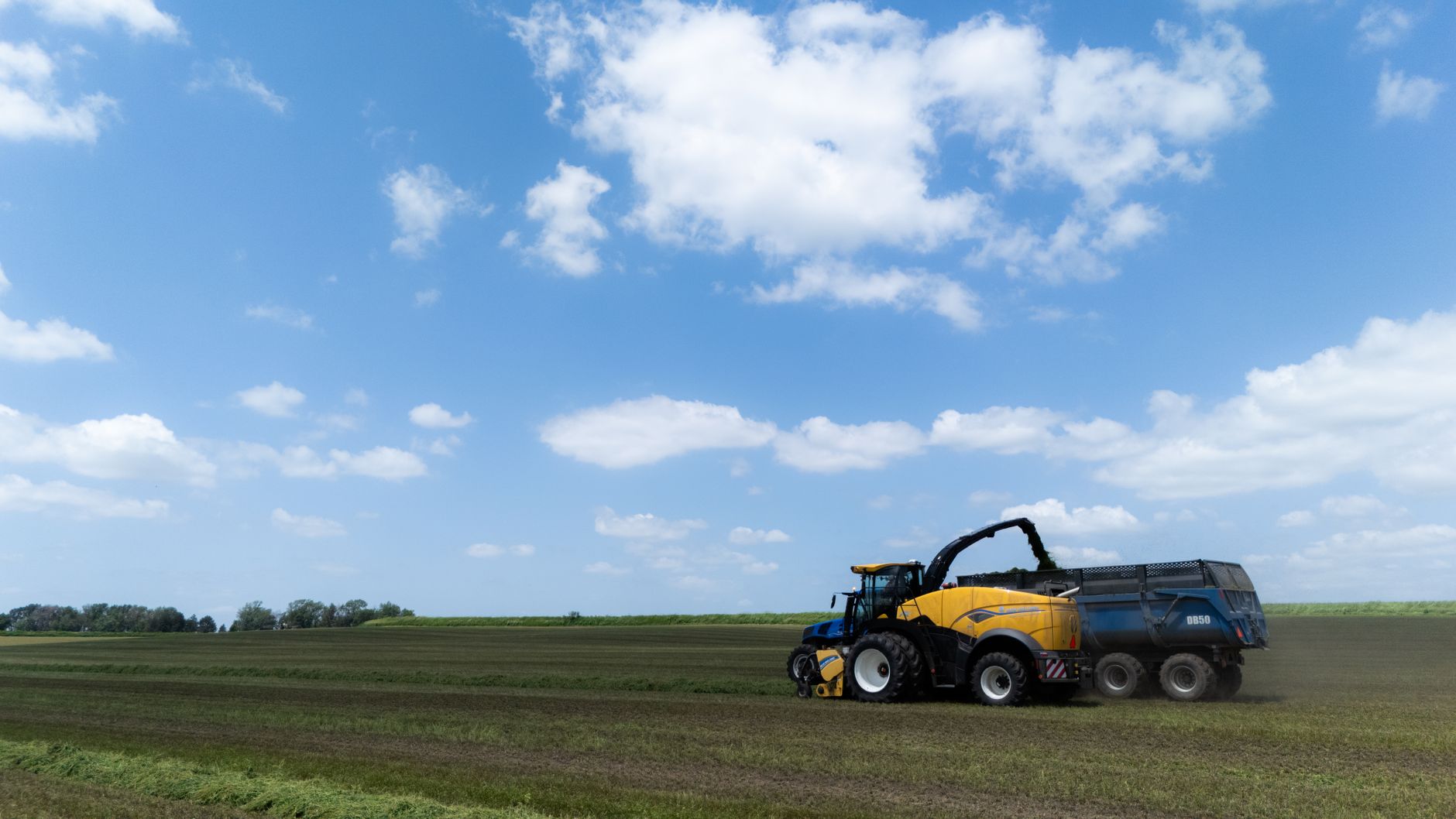
Alabama cotton farmers are radically altering their approach to crop management, leaning heavily on precision agriculture hardware and software to offset surging operational expenses. Fertilizer, diesel, and equipment maintenance costs have climbed steeply over recent growing seasons, leaving little room for traditional, blanket-application farming methods. Producers across the state are turning to GPS-guided tractors, drone mapping, and soil-sensing telemetry to apply inputs only where strictly necessary. This shift marks a departure from historical practices, driven by necessity as profit margins tighten across the American agricultural sector.
The integration of digital tools involves real-time data collection that helps agronomists determine exact nutrient needs down to the individual acre. Instead of treating entire fields uniformly, variable-rate technology allows machinery to adjust seed drop rates and chemical dispersion on the fly. Hardware manufacturers report a notable spike in regional demand for retrofit kits that bring older farm machinery up to modern technological standards. Local agricultural extension offices have also stepped up educational programs, hosting workshops to help multigenerational farming families navigate complex software interfaces and analyze yield map data effectively.
While the initial capital investment for precision ag equipment remains substantial, early adopters claim the technology pays for itself within a few harvest cycles through reduced chemical waste and optimized fuel consumption. Industry analysts suggest this localized trend mirrors a broader national movement toward smart farming, where software-driven efficiency acts as a primary defense against macroeconomic headwinds. As supply chain pressures and inflation persist, the long-term viability of mid-sized cotton operations may increasingly depend on how fast these growers can successfully digitize their fields.





Comments