
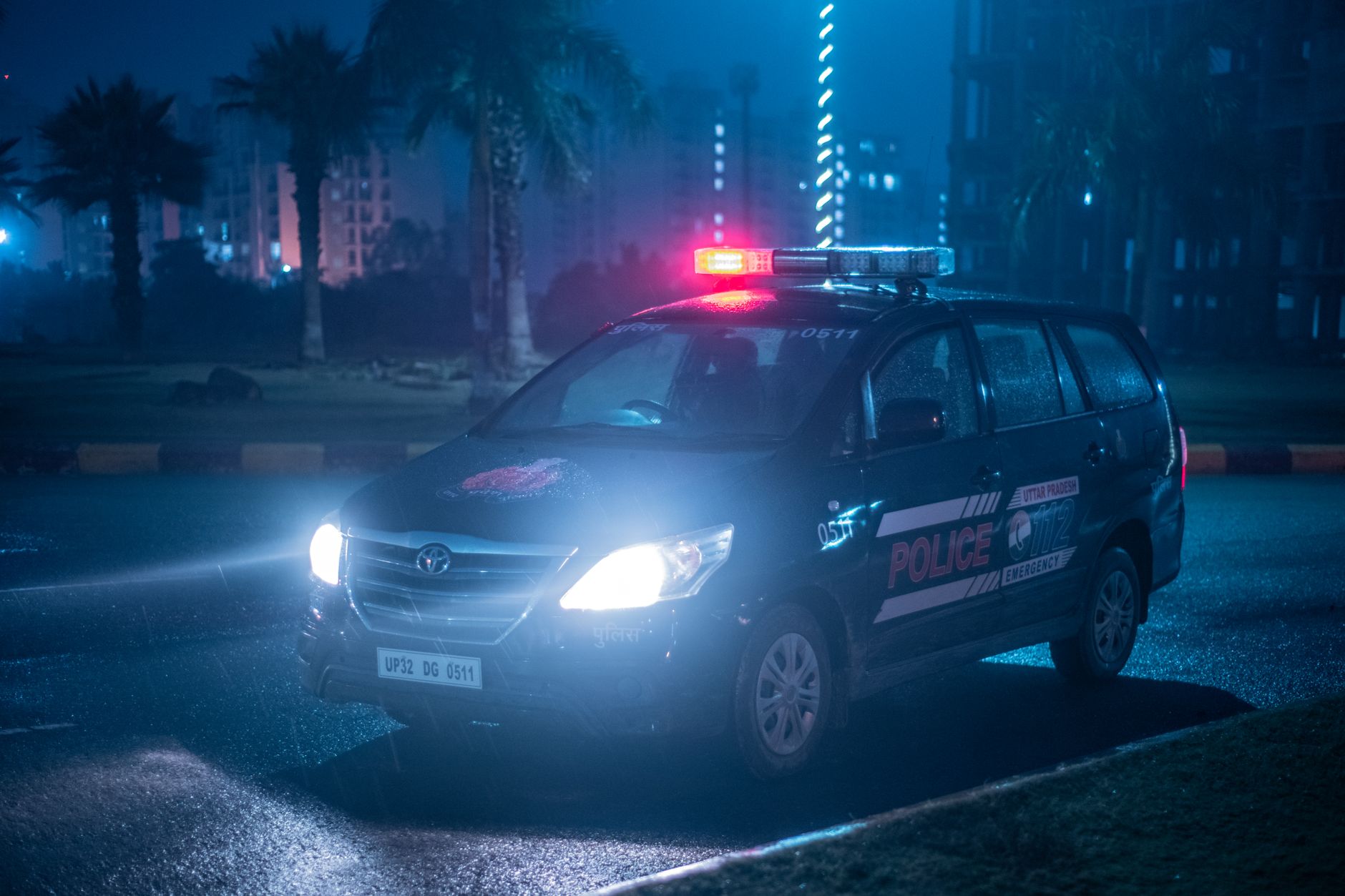
Law enforcement departments across the United States are increasingly integrating artificial intelligence tools into daily traffic patrols, utilizing predictive algorithms to flag what software deems suspicious driving patterns. Rather than relying solely on direct visual infractions, officers are pulling motorists over based on automated assessments generated by algorithmic dashboard cameras and roadside sensors. Civil rights advocates, led by organizations like the American Civil Liberties Union, argue that these opaque monitoring systems lack adequate oversight and disproportionately impact marginalized communities.
The underlying technology relies on computer vision models trained to detect micro-movements, sudden lane adjustments, and perceived hesitation behind the wheel. Software vendors pitch these automated surveillance suites as force multipliers for traffic safety, promising reduced accident rates and targeted interdictions. However, independent digital rights researchers point out that machine learning models frequently misinterpret ordinary human driving habits, such as swerving to avoid potholes or navigating unfamiliar urban layouts, as indicators of illegal activity.
This tactical shift marks a significant expansion of automated predictive policing beyond traditional static speed cameras and red-light detectors into dynamic, real-time behavioral monitoring. The reliance on proprietary software also creates severe legal hurdles for defendants challenging the validity of traffic stops in court, since vendors routinely shield their core source code under trade secret protections. As legal challenges mount, federal lawmakers are facing growing pressure to establish strict transparency standards and constitutional safeguards against automated road surveillance.
Police Deploy Algorithmic Traffic Stops Based on AI Driving Metrics



Comments