
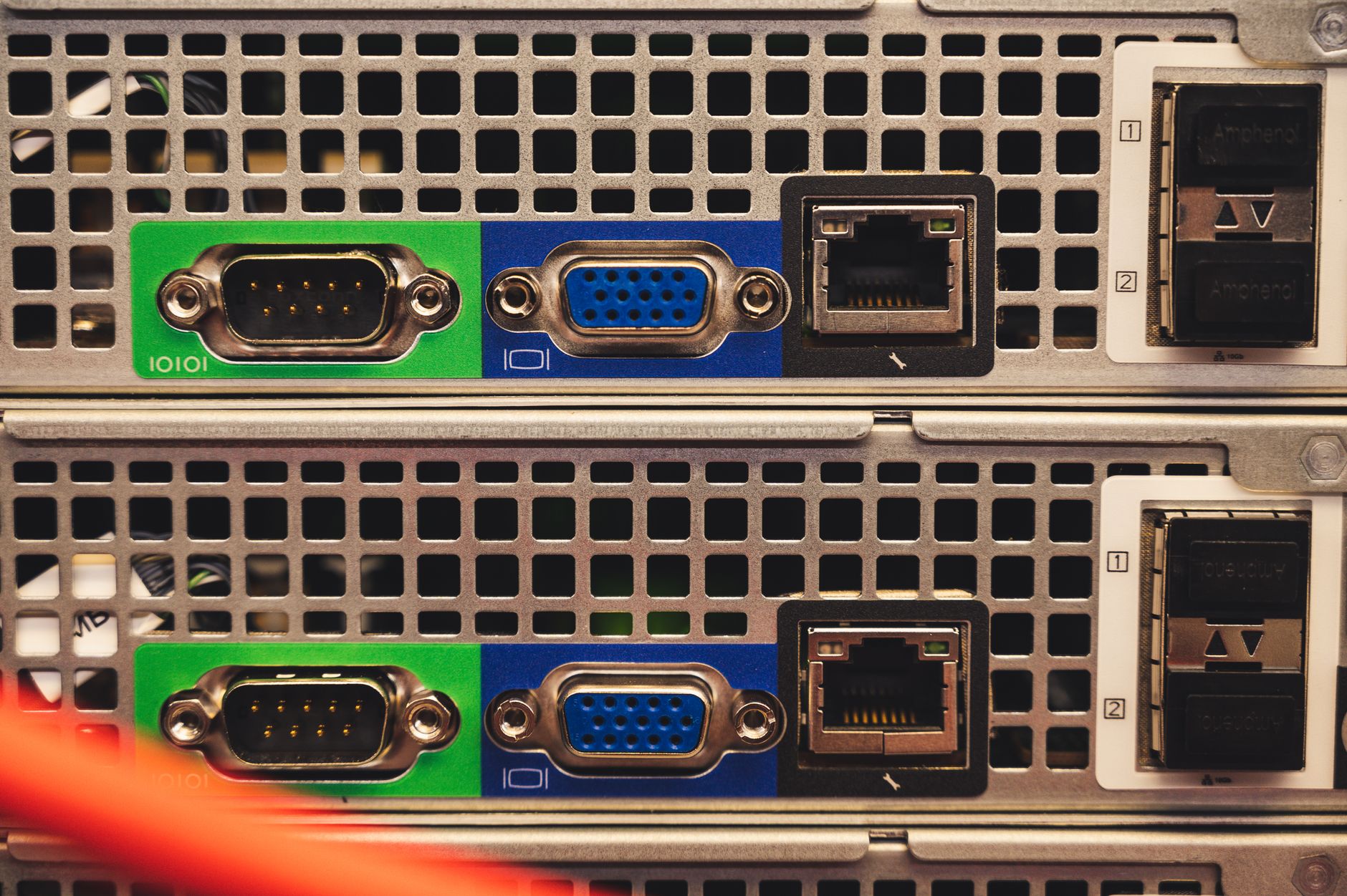
OpenAI is broadening its hardware procurement strategy by planning to purchase artificial intelligence chips from Google. The move marks a notable shift for the ChatGPT maker, which has historically relied almost exclusively on Nvidia processors to train and operate its large language models. While financial terms, exact quantities, and delivery schedules remain undisclosed, the arrangement highlights a growing industry-wide push to secure alternative silicon amid soaring global demand for AI computing infrastructure.
Google's proprietary tensor processing units, or TPUs, have increasingly drawn interest from outside customers looking for alternatives to Nvidia's dominant GPUs. Alphabet has gradually expanded commercial sales of these processors to select external partners, having originally developed them for internal workloads. OpenAI began renting Google AI chips in 2025, and the advanced models from OpenAI have also become accessible through Google Cloud, signaling deepening commercial ties between the competing tech giants.
Alongside external hardware acquisitions from Nvidia and Google, OpenAI is actively pursuing internal semiconductor development. The company previously announced a partnership with Broadcom to design a custom silicon processor, aiming to deploy its proprietary hardware before the end of 2026. This multi-pronged approach comes as major technology firms collectively pour hundreds of billions of dollars into data centers and hardware, placing immense focus on infrastructure scalability and long-term cost management.
OpenAI turns to Google TPU chips to reduce total reliance on Nvidia hardware




Comments