
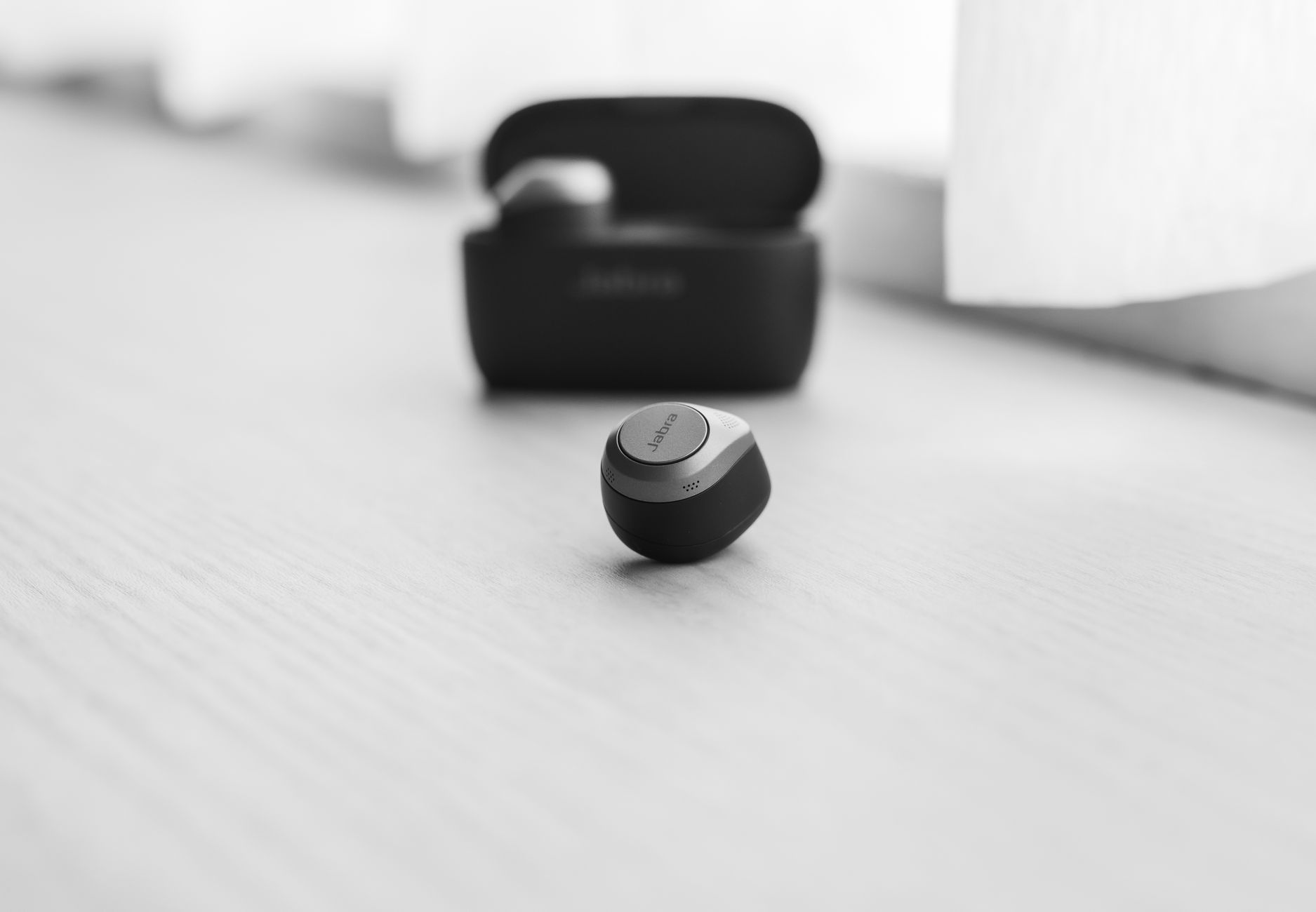
Many users still rely on a single wireless earbud for hands-free calls or podcasts, a habit carried over from the legacy era of Bluetooth earpieces. While modern wireless earbuds feature mono mode capabilities, constantly pulling just one bud from the charging case creates a distinct usage imbalance that accelerates wear and tear on that specific hardware.
Batteries inside portable electronics are rated for a finite number of charge cycles. When one earbud remains in regular rotation while the other stays idle in the charging case, the heavily utilized bud burns through its capacity much faster. Furthermore, the Bluetooth transmission process and constant removal from the case exacerbate power drain, resulting in a scenario where one side dies significantly faster than the other during simultaneous use.
Hardware architecture also plays a critical role in how single-bud usage impacts performance. Older models and cheaper entry-level units typically rely on a master and slave configuration, forcing the primary bud to handle all connection data and limiting mono playback to only that specific side. While newer premium models from brands like Samsung and Google support role-swapping for either ear, continuous single-bud use still forces an asymmetrical degradation of the hardware.
Experts recommend shifting away from the single-bud habit whenever possible to preserve the lifespan of modern wireless audio gear. Utilizing transparency or ambient listening modes allows users to keep both earbuds in place while remaining fully aware of surrounding sounds. For those who must stick to single-bud operation for calls or safety reasons, alternating sides or utilizing dedicated professional mono headsets can prevent premature battery failure.





Comments