
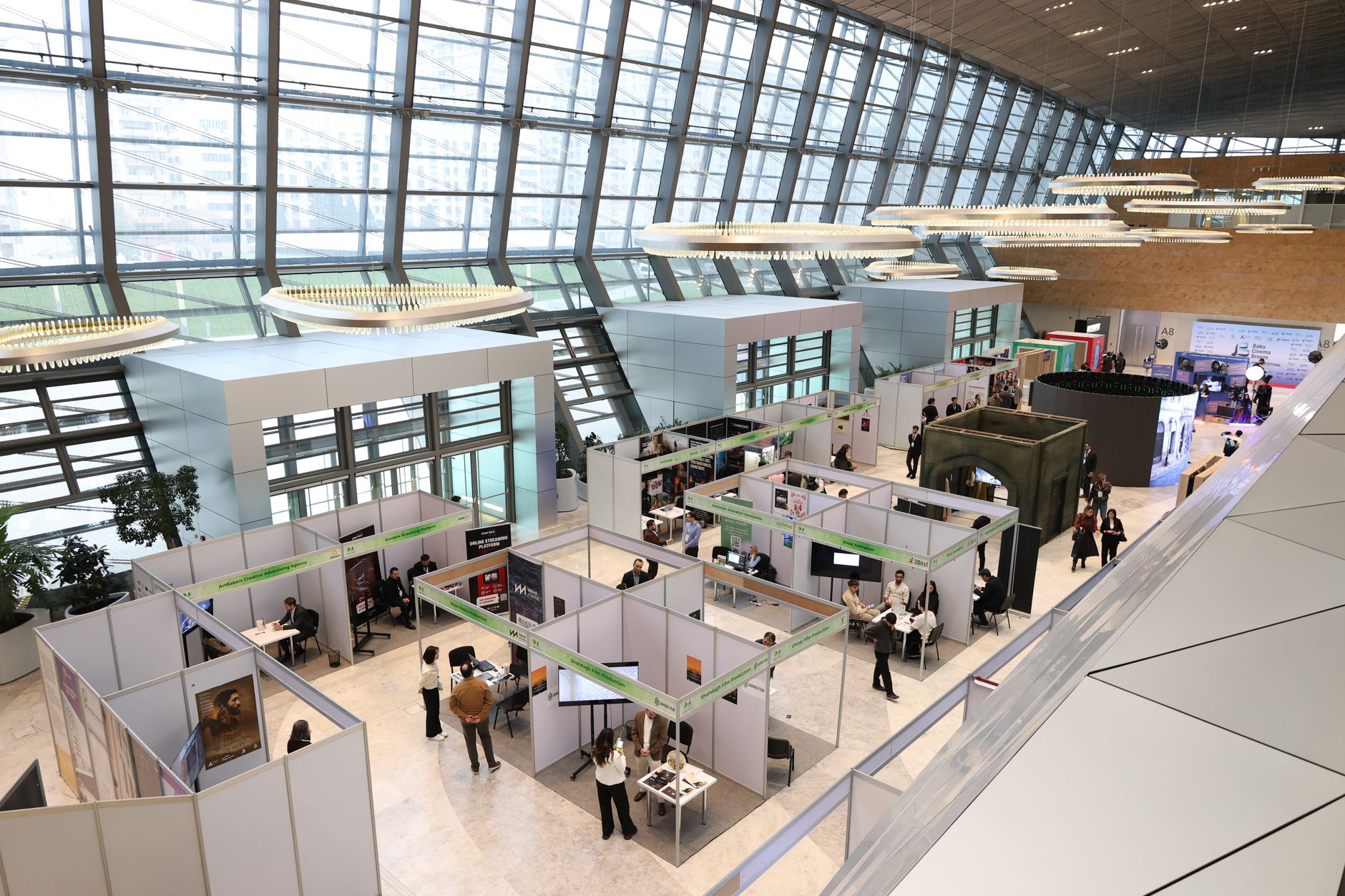
Seoul has officially opened its doors to Food Week Korea, an annual trade gathering that this year heavily pivots toward digital transformation, alternative proteins, and streamlined international logistics. Industry leaders, agricultural tech startups, and policymakers descended upon the COEX center to showcase how modern engineering is reshaping the culinary supply chain from farm to table. Rather than focusing solely on traditional cuisine, the exhibition floor is dominated by automated kitchen robotics, smart packaging solutions, and AI-driven inventory management systems designed to minimize waste. Organizers note that the urgent demand for sustainable scaling has pushed technology to the forefront of the culinary conversation, turning a regional trade show into a global testbed for food innovation.
The strategic shift toward advanced food tech comes as South Korean food enterprises look aggressively outward to expand their international footprint. Government-backed pavilions are actively connecting local producers with foreign buyers, utilizing digital matchmaking platforms and virtual product demonstrations to bridge geographic gaps. Startups specializing in cold-chain logistics and fermentation science reported intense interest from venture capitalists and multinational distributors. This commercial momentum underscores a broader economic reality: domestic markets are saturated, and future growth depends entirely on leveraging technology to meet strict international export standards and changing consumer preferences abroad.
As the multi-day event continues, panels will dive into regulatory hurdles for novel foods, lab-grown alternatives, and the carbon footprint of industrial agriculture. Observers expect several major cross-border partnerships to be finalized before the conference closes. By merging traditional flavors with high-tech infrastructure, Seoul is positioning itself as a central hub for the future of global nutrition, signaling that the intersection of software, hardware, and gastronomy will dictate the next decade of culinary commerce.




Comments