
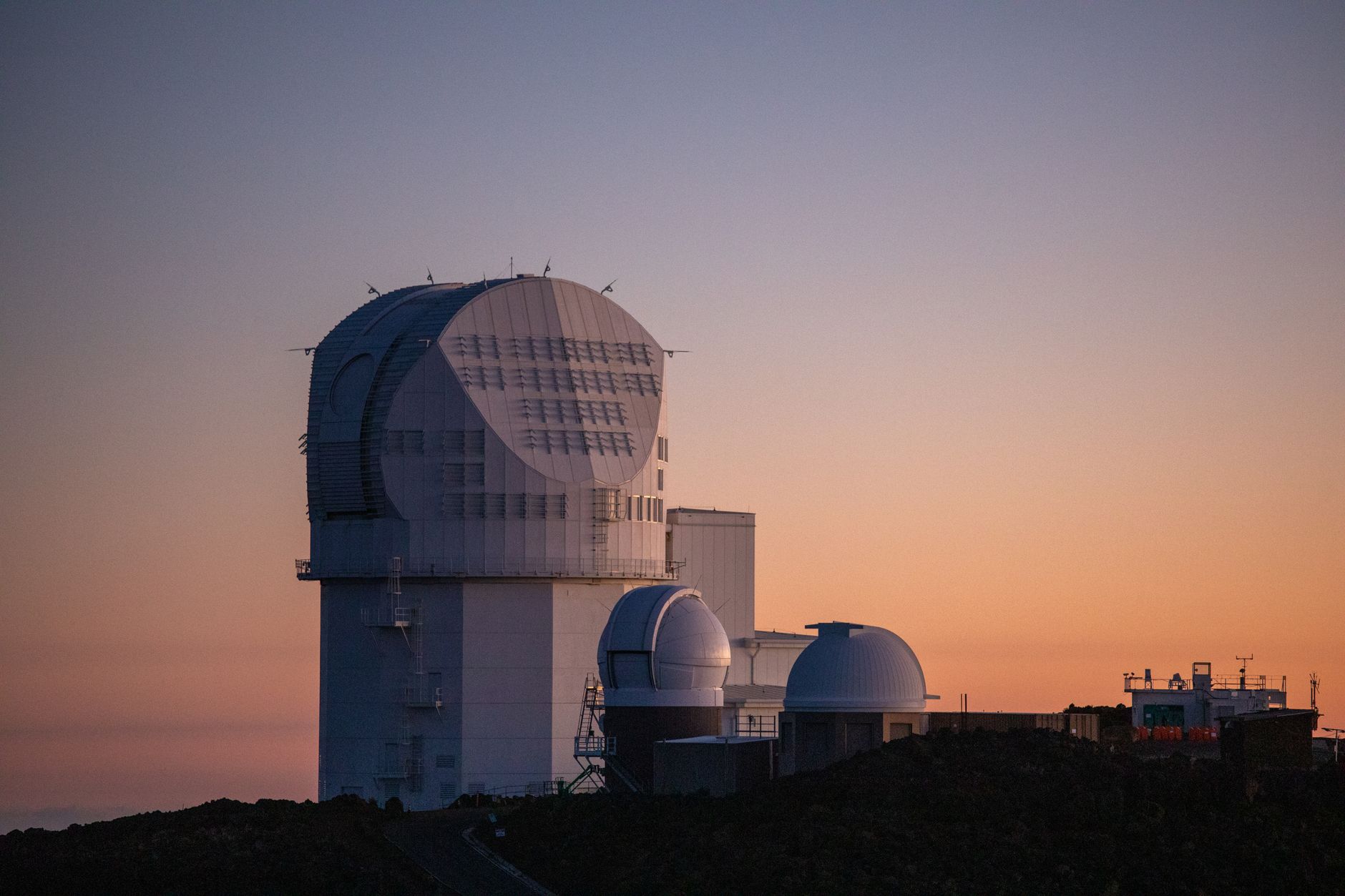
Astronomers have confirmed that Earth has temporarily acquired a new mini-moon. Initially mistaken for artificial space debris left behind by a rocket or satellite, the small near-Earth object was officially classified as a natural space rock by the Minor Planet Center. Hungarian astronomer Krisztián Sárneczky first spotted the object, cataloged as 2026 QQ8, on August 20. Subsequent observations utilizing the University of Hawaii 2.2-meter telescope and the Lowell Discovery Telescope verified its natural origin.
Measuring roughly three feet or one meter in size, the object entered Earth's orbit in late April after crossing the planet's Hill sphere. This boundary marks the region where Earth's gravity can capture an object despite the dominant gravitational influence of the Sun. Orbital data analysis reveals that 2026 QQ8 makes close approaches to Earth approximately once every decade. Previous close encounters occurred in 1965, though the rock remained outside gravitational capture range during those passes.
The mini-moon follows a distinct, wide, kidney-shaped loop around the planet. It poses zero threat to Earth, as scientists note it would easily burn up in the atmosphere even if a collision were possible. The object will maintain its temporary orbit until December before breaking free of Earth's gravity to resume its journey around the Sun. Similar temporary captures have occurred in the past, including asteroids 2006 RH120, 2020 CD3, and 2024 PT5.
Earth Captures a Tiny New Mini-Moon Named 2026 QQ8




Comments