
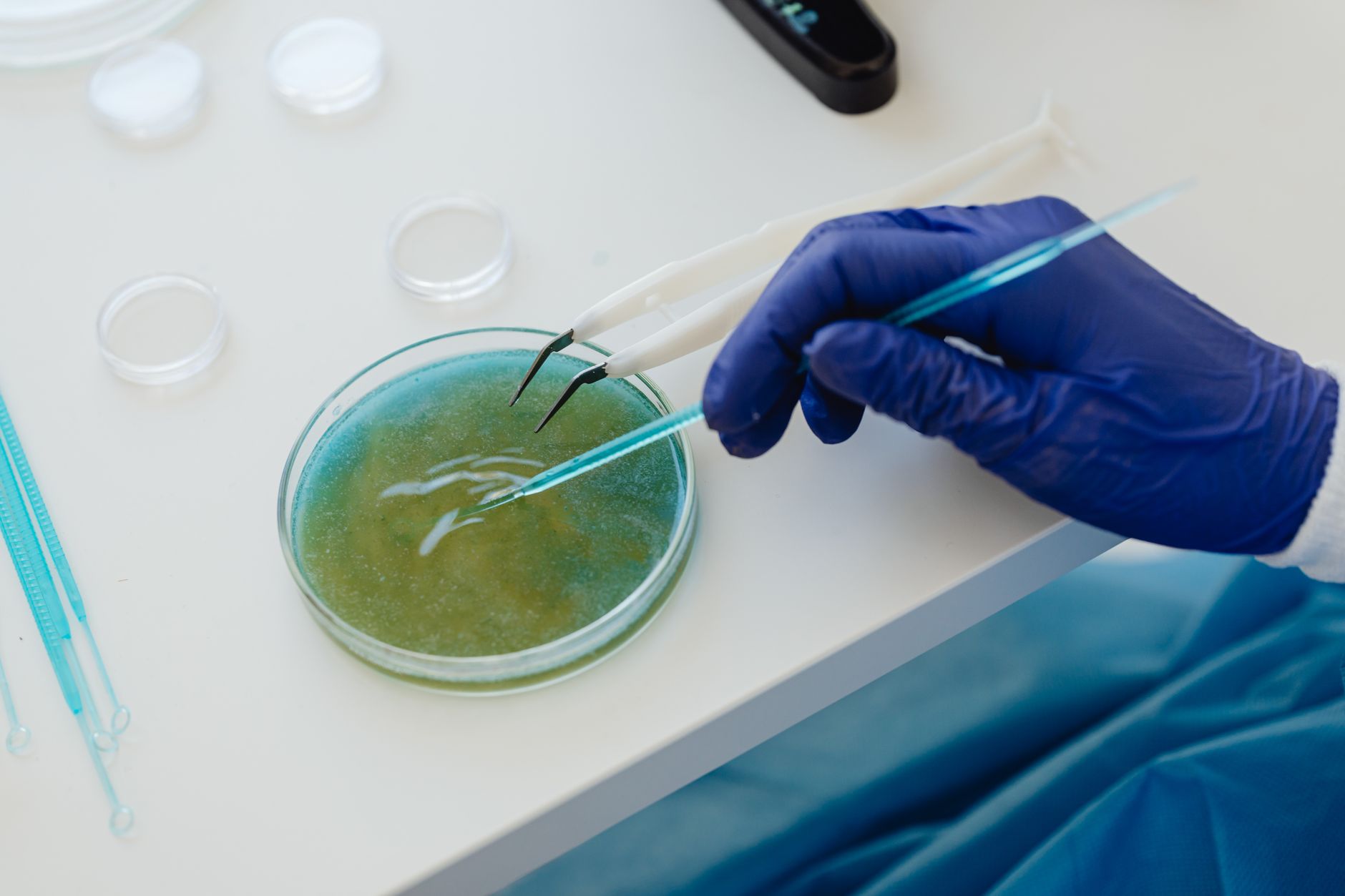
Industrial manufacturing relies heavily on biological catalysts to drive chemical reactions cleanly and efficiently. Yet, finding or engineering enzymes that can withstand harsh factory conditions has traditionally remained a slow, trial-and-error endeavor. A newly developed technology platform promises to change that bottleneck by combining machine learning with high-throughput screening to design custom biocatalysts almost overnight.
Biochemists and molecular engineers built this system to bypass the limitations of traditional directed evolution methods. Instead of screening millions of random mutations in a laboratory flask, the software models protein folding and stability in a digital environment. This targeted approach allows developers to predict precisely which amino acid substitutions will boost thermal tolerance or reaction speed without compromising structural integrity.
Commercial adoption of these tailored enzymes could significantly lower carbon footprints across multiple sectors, including textiles, pharmaceuticals, and biofuel production. By replacing petroleum-based catalysts with biodegradable alternatives that operate at lower temperatures, facilities stand to slash both energy consumption and chemical waste. Several pilot projects are already underway with major manufacturing partners to test the platform on commercial-scale processes.
Scaling these computational pipelines will require seamless integration with automated robotic laboratories capable of rapidly synthesizing and testing top-tier candidate molecules. As these digital-to-wet-lab workflows mature, custom protein design will likely shift from an academic pursuit into a standard commercial tool for heavy industry, paving the way for cleaner manufacturing practices globally.



Comments