
For decades, the hospitality and tourism industries were defined by high-touch, face-to-face service. A luxury experience meant interacting with a bellhop, a front desk clerk, a concierge, and a travel agent. While human empathy remains irreplaceable, the physical friction of travel—long lines, lost keys, and generic recommendations—has become a liability. Today, the sector is undergoing a massive digital transformation aimed at creating a completely frictionless, highly personalized journey.
Technology in hospitality is no longer about removing the human element; it is about automating the mundane so that staff can focus entirely on complex, high-value guest interactions. From the moment a traveler enters an airport to the moment they check out of their hotel, IoT, biometrics, and artificial intelligence are orchestrating a seamless experience.
Biometrics and Frictionless Transit
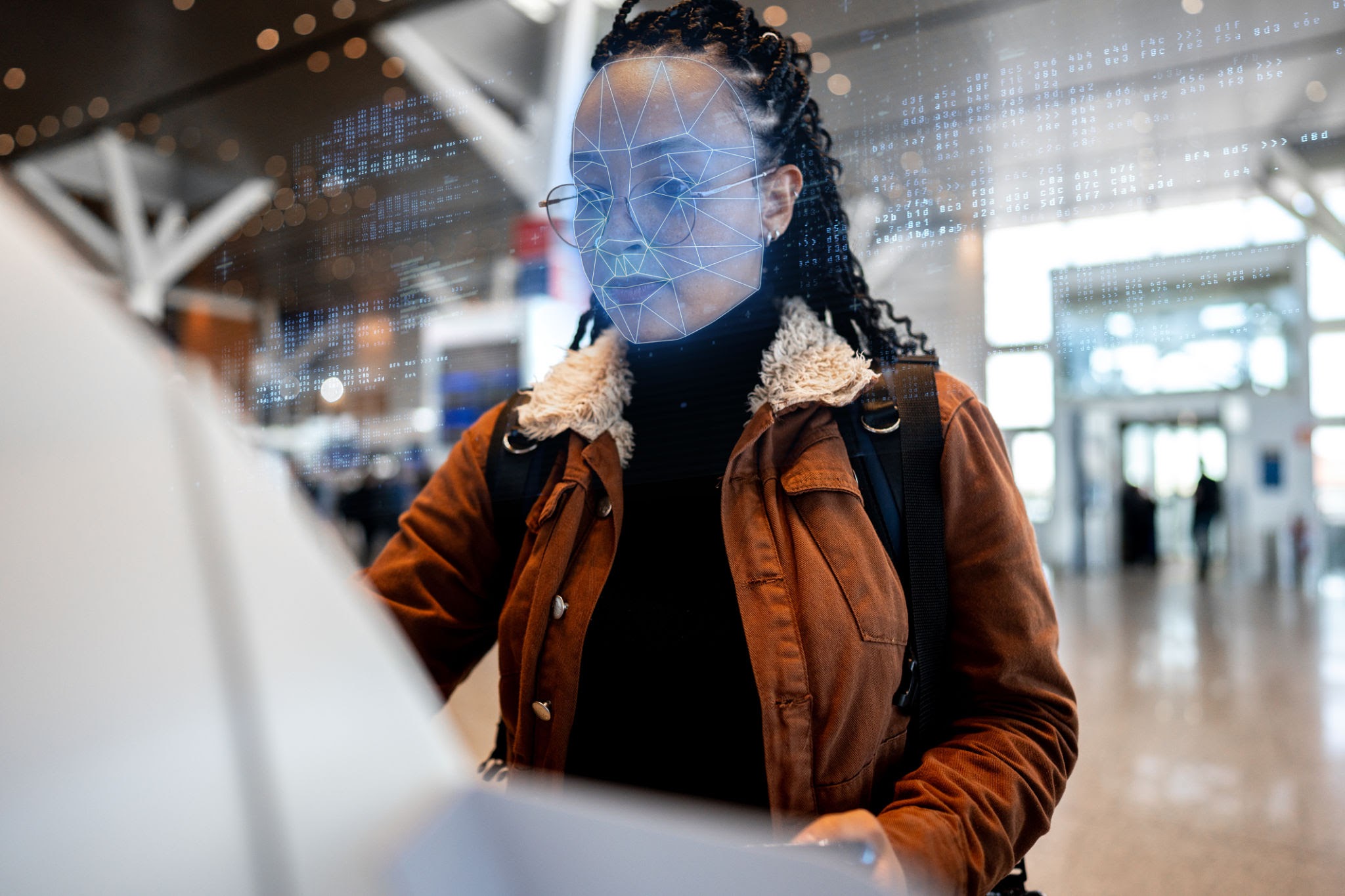
The most stressful part of travel is often just getting to the destination. Airports and transportation hubs are deploying advanced biometric systems to eliminate the bottlenecks of physical document verification.
- Your Face is Your Passport: Major international airports are transitioning to biometric boarding. By matching a live facial scan against the digital photo stored in a traveler's e-passport or visa profile, passengers can drop off luggage, pass through security checkpoints, and board the aircraft without ever showing a physical ticket or ID card.
- Decentralized Identity: Blockchain-based digital identities allow travelers to securely store their verified credentials (health records, visas, loyalty statuses) on their own smartphones. This creates a "single token" travel experience, drastically reducing wait times at international customs and border control.
The Smart Hotel Room and IoT
The concept of a hotel room is shifting from a static physical space to a responsive, digital environment tailored to the exact preferences of the current occupant.
- Keyless Entry: The plastic keycard is rapidly becoming obsolete. Using Bluetooth Low Energy (BLE) or Near Field Communication (NFC), guests can bypass the front desk entirely upon arrival and unlock their room door directly using their smartphone or a connected smartwatch.
- Personalized IoT Environments: Connected rooms use the Internet of Things to remember a guest. When a frequent traveler checks in, the room automatically adjusts the thermostat to their preferred 68 degrees, tunes the smart TV to their favorite streaming service, and sets the automated window shades to their preferred wake-up schedule.
- Predictive Maintenance: Smart sensors in the plumbing and HVAC systems alert hotel management to a leaky pipe or a failing AC compressor long before the guest ever notices, allowing for proactive repairs that prevent negative reviews and costly water damage.
AI Concierges and Robotic Service
Artificial intelligence is handling the massive volume of routine inquiries that traditionally overwhelmed hotel front desks.
- Conversational Chatbots: AI-driven chatbots, integrated into WhatsApp or the hotel's proprietary app, allow guests to request extra towels, book a table at the restaurant, or ask about pool hours 24/7 without waiting on hold. The NLP algorithms can understand context and intent across dozens of languages.
- Robotic Delivery: Many forward-thinking hotels have deployed autonomous delivery robots (like the Relay robot). If a guest orders a toothbrush or a late-night snack, staff loads the item into the robot, which autonomously navigates the hallways, uses Wi-Fi to call the elevator, and calls the guest's room phone upon arriving at their door.
- Hyper-Personalization Algorithms: By analyzing a guest's past spending habits, dining preferences, and social media activity (when opted-in), AI can proactively offer highly targeted upsells—such as a spa treatment perfectly timed after a long flight or a reservation at a vegan restaurant near the hotel.
Augmented and Virtual Reality in Tourism
Immersive technologies are changing how travelers choose their destinations and how they experience them once they arrive.
- "Try Before You Fly" VR: Travel agencies and destination marketing boards use high-fidelity Virtual Reality to offer 3D tours of luxury resorts, cruise ship cabins, or distant landmarks. This immersive preview significantly increases booking conversion rates for high-ticket vacations.
- AR-Enhanced Exploration: Once at the destination, Augmented Reality apps turn smartphones into interactive tour guides. A tourist can point their phone at the ruins of the Roman Forum, and the AR app will overlay a 3D, historically accurate reconstruction of the buildings as they looked 2,000 years ago, complete with audio narration and interactive touchpoints.
The Outlook
The future of hospitality and tourism is invisible, intuitive, and hyper-personalized. By leveraging data and automation to eliminate the friction of travel, the industry is empowering travelers to spend less time waiting in lines and more time immersing themselves in the actual destination.





Comments