

Intense El Niño seasons have historically triggered more than 100,000 extra heat-related deaths worldwide each year, according to a recent study conducted by scientists in Spain. Published in Nature Medicine, the research highlights how continuously warming temperatures and severe climate phenomena could introduce severe public health challenges moving forward. While these spikes in heat mortality were largely offset globally by a comparable reduction in cold-related deaths, researchers warn that the compounding effects of climate change mean future episodes will likely exacerbate global inequalities.
Key takeaways
- Very strong El Niño years were linked to an added 107,035 annual heat-related deaths globally.
- These severe seasons also tied to a reduction of 112,681 annual deaths from the cold.
- Researchers examined climate and mortality data from over 100 countries spanning 1980 to 2023.
- Tropical regions and less well-off countries experienced the greatest increase in heat-related deaths.
Examining Decades of Global Climate and Mortality Data
The study, led by researchers affiliated with the Barcelona Institute for Global Health, sought to quantify the global effects of El Niño on temperature-related deaths, an area that lacked comprehensive global-level metrics until now. The team analyzed data covering more than 100 countries stretching back over 40 years between 1980 and 2023. This extensive timeframe captured several severe El Niño seasons, including the previous largest peak in warming temperatures recorded during the 2015 to 2016 season.
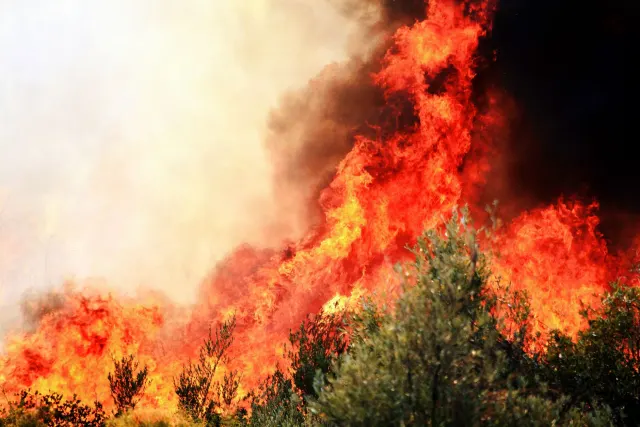
El Niño represents the warming phase of the El Niño-Southern Oscillation, a natural climate phenomenon influencing sea surface temperatures across the tropical areas of the Pacific Ocean. The current season's El Niño stands as the strongest ever documented in modern history, potentially marking a once-in-a-millennium event. Although the phenomenon was not expected to reach its peak until December, its severe impacts have already materialized across marine wildlife, weather events like rain and floods, and natural disasters such as wildfires.
Unequal Burdens and Future Public Health Risks
The statistical offset between rising heat deaths and declining cold deaths does not imply a net positive health outcome, according to the study authors. Natalia Shartova, lead author from the Barcelona Institute for Global Health, emphasized that combined temperature-related mortality increases in countries with fewer resources. In an increasingly warm climate, future episodes could deepen these socioeconomic disparities. Furthermore, El Niño alters conditions far beyond temperature anomalies, driving extreme weather events such as floods and extended periods of drought.
While the historical data cannot directly predict the exact human toll of the current super El Niño, other independent projections underscore the mounting dangers. A report published in September by the University of Chicago’s Climate Impact Lab project projected that El Niño could cause an additional 451,000 deaths globally between September 2026 and February 2027, factoring in more than 3,500 deaths specifically within the United States. Scientists point out that while severe warming phases offer extensive research opportunities regarding the atmosphere and oceans, this acquired knowledge arrives alongside a heavy human toll.







Comments