
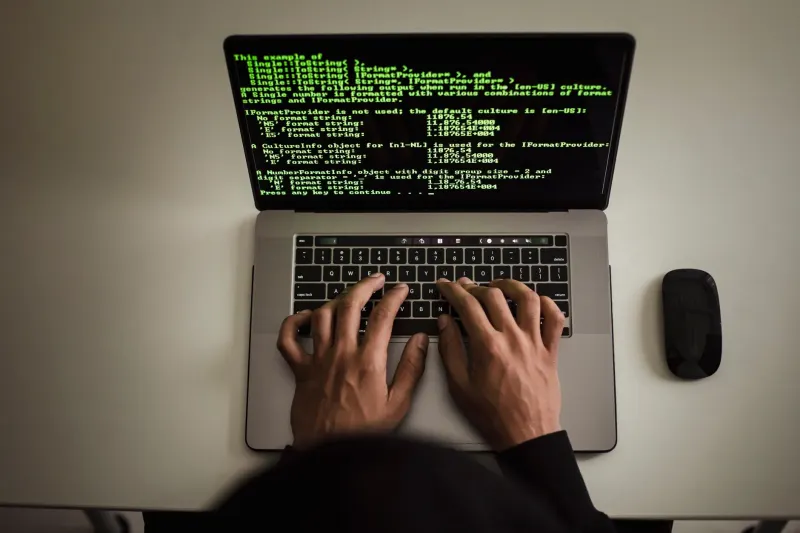
Vanderbilt University officials issued urgent warnings to students and faculty on Monday, directing everyone to disconnect from school Wi-Fi and power down their hardware following a suspected ransomware incident. Dean of the Blair School of Music Melissa Rose instructed the campus community via a statement shortly after 10:00 a.m. local time to follow established university protocols and wait for further directions. The institutional technology division, VUIT, immediately began investigating the breach while advising individuals to avoid attempting any personal troubleshooting or investigation. Campus alerts distributed via local media and the student newspaper, The Vanderbilt Hustler, explicitly instructed users to shut down their devices immediately and close all instances of Microsoft Word documents, OneDrive folders, and Dropbox directories.
Students utilizing university-issued hardware reported that their desktops suddenly filled with popups and copies of a text file left by the attackers. Meanwhile, some professors canceled classes despite initial statements from university administration indicating that academic schedules would proceed as normal. Local reports from the Nashville Scene highlighted that some individuals found their files rewritten into an encoded format carrying a .byod extension, while researchers faced locked systems and turned to personal backups. The university also dispatched IT staff directly to warn faculty members to shut down their computers to prevent further propagation of the security threat.
Key takeaways
- Vanderbilt University suffered a reported ransomware attack on Monday, prompting emergency network shutdowns.
- Attackers using the moniker BYOD claimed responsibility for compromising over one million individual records.
- Compromised data reportedly includes Social Security numbers, full names, email addresses, and student and employee records.
- University officials explicitly warned users to shut down devices immediately rather than attempt troubleshooting.
The Threat Actor and Stolen Data
A threat actor operating under the name BYOD claimed credit for the breach via a ransom message posted to Ransomware.live, a public aggregation platform for cyberattacks. The hackers asserted that they locked university databases and gained control over the entire estate and research data. According to the posted claims, the attackers seized over one million Social Security numbers, full names, email addresses, phone numbers, student and employee records, and achieved a full takeover of the domain controller. Whatever was on the network is allegedly in the possession of the threat group, who stated they would take the institution down further once communication was established.
The moniker BYOD serves as a mocking reference to bring-your-own-device policies, which permit network access via personal hardware and introduce significant security challenges. Security firms such as Pwnie Express have previously referred to these policies as the Internet of Evil Things due to increased attack surfaces and higher risk levels. Security teams generally hold far less control over personal devices, making network defense a constant battle of resistance rather than complete resolution in environments crowded with students and third-party service providers.
Broader Context and Prior Attacks
Universities and hospitals remain prime targets for ransomware syndicates due to the massive volume of sensitive data they host and the severe operational disruption caused by network outages. The same threat actor, BYOD, previously claimed responsibility for cyberattacks targeting Michigan State University and the University of New Mexico Health System. Vanderbilt representatives did not immediately respond to media requests for comment regarding the ongoing incident, leaving students and faculty waiting for further updates from VUIT administration as campus protocols remain in effect.





Comments