
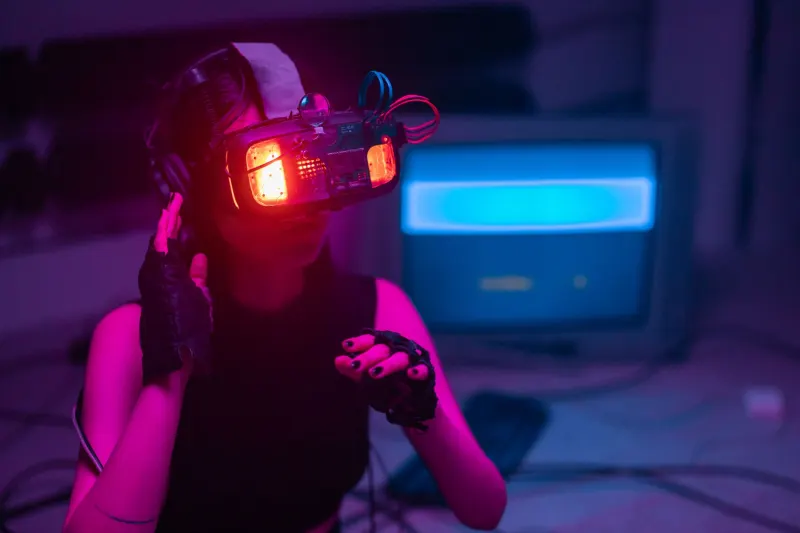
Amazon is preparing to introduce 5,000 pairs of display-equipped smart glasses to delivery workers before the end of the year, with a much larger rollout targeting 20,000 pairs by the end of next year. While major hardware competitors focus primarily on consumer-facing augmented reality and wearable technology, Amazon is directing its initial hardware deployment straight at its delivery and warehouse workforce. The stated purpose of the smart glasses is to streamline logistical operations by providing hands-free navigation, assisting workers in locating packages inside warehouses, expediting barcode scanning tasks, and alerting drivers to potential hazards like pets.
Key takeaways
- Amazon plans to roll out 5,000 pairs of smart glasses to delivery drivers by the end of the year.
- The company aims to have 20,000 pairs in use by delivery drivers by the end of next year.
- Employees have raised concerns on online forums regarding constant workplace surveillance.
- The devices include a privacy switch, and Amazon states that captured images are encrypted and automatically deleted.
Functionality and Workforce Concerns
The core utility of the new hardware centers on a hands-free form factor that performs many of the same tasks already handled by existing employee technology. By housing navigation and package tracking directly in a wearable device, Amazon aims to reduce distractions and speed up delivery times. However, the prospect of wearing camera-equipped hardware has not been universally welcomed by the workforce. Delivery drivers discussing the plans on a Reddit forum have voiced strong reservations about continuous monitoring, noting that a device worn on the face inherently captures everything an employee encounters throughout the workday.
In response to privacy concerns, Amazon points out that the hardware includes a privacy switch allowing drivers to temporarily turn off the camera during sensitive situations, such as using the restroom. Yet, workers recognize that such a switch is designed for exceptions, and the fundamental expectation remains that the glasses will stay active during regular shifts. Although Amazon's official policies state that the glasses capture still images rather than continuous video and automatically blur sensitive details like faces and license plates, questions surrounding data handling remain open.
Data Policies and Corporate Oversight
According to Amazon's press release, the encrypted, blurred images are accessible only to a restricted group of personnel who require them to reduce delivery errors and refine the delivery experience. The company also states that these files are automatically deleted after a short retention period and are never reviewed by third parties for processing. Despite these safeguards, the ambiguity regarding whether visual data is utilized for internal algorithmic training leaves many observers skeptical.
This initiative represents another layer in Amazon's extensive history of monitoring workforce efficiency, which has previously drawn scrutiny during labor and union disputes. The company has historically utilized various tracking methods, including warehouse cameras and wearables tested for monitoring work hours and check-ins. Equipping personnel with point-of-view visual capture devices marks a significant escalation in corporate oversight, further intensifying ongoing debates regarding privacy and company culture within the logistics sector.



Comments