
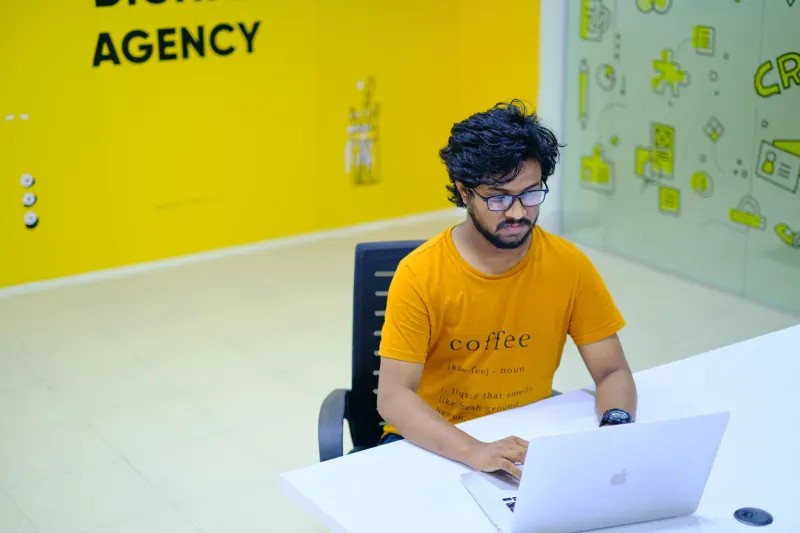
A staggering 87 percent of women working in the technology sector are currently experiencing burnout, according to findings from the newly released 2026 Speak Up report. Conducted by Ensono, the research surveyed 1,500 female-identifying technology professionals to examine their evolving roles, career aspirations, and daily workplace challenges. Over half of the respondents stated that they consider themselves to be moderately, very, or extremely burned out as multiple professional pressures converge on their daily lives.
The study highlights how the rapid integration of artificial intelligence into daily workflows has introduced a distinct dimension of stress for female tech workers. While 70 percent of survey participants rated their AI knowledge and skills as advanced or expert, and 97 percent identified clear career benefits from utilizing the technology, the corresponding expectations have taken a heavy toll. Specifically, 42 percent of the surveyed women reported feeling that AI adoption creates an unspoken expectation to produce significantly more work in less time. Additionally, 34 percent felt an intense pressure to remain constantly available for work, and 43 percent found themselves caught in a perpetual cycle of constantly developing new workplace skills.
Key takeaways
- 87 percent of women in tech surveyed for the 2026 Speak Up report are experiencing burnout.
- 42 percent feel AI creates expectations to produce more work in less time.
- 83 percent of surveyed women aspire to reach executive leadership roles.
- Meredith Graham emphasizes that business leaders must provide clarity on evolving AI expectations.
Ambition meets workplace friction
Beyond the technological demands, traditional workplace dynamics such as mandatory office attendance and the ongoing necessity for corporate visibility continue to weigh heavily on female technology professionals. The desire to stand out and advance is remarkably high across the sector, with 83 percent of respondents actively aspiring to executive leadership roles. This profound professional ambition, combined with constant requirements for visibility and networking, creates an environment where personal priorities are frequently sidelined by the sheer volume of daily expectations.
The arrival of artificial intelligence has disrupted many elements of life and work, evolving expectations across the broader workplace. These survey results strongly suggest that employers can and should do significantly more to protect team members from exhaustion. Continuous learning takes time to adjust, and as skills confidence continues to grow, business leaders are urged to step in and provide much-needed guidance.
Pathways to lasting careers
Industry leaders argue that these mounting workplace pressures are entirely avoidable with the right organizational policies and clearer expectations for colleagues. Meredith Graham, Ensono’s Chief People Officer, noted that while women are successfully developing crucial AI expertise for their organizations, continued learning requires substantial time to adjust properly. Graham emphasized that business leaders must offer absolute clarity regarding how AI adoption alters daily work expectations.
Furthermore, supporting workplace flexibility and establishing diverse paths to professional advancement are deemed essential to helping women build lasting careers while safeguarding company culture against widespread exhaustion. AI, visibility, and leadership represent significant professional challenges, but industry advocates insist they do not have to dominate the working day or compromise long-term employee well-being.




Comments