
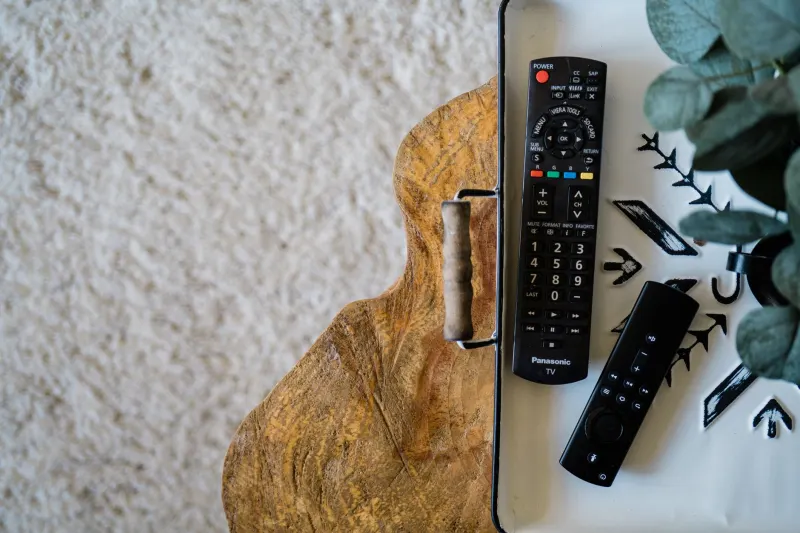
Major consumer electronics brands face intense scrutiny over data gathering practices as industry investigations reveal the extent of information harvested through modern smart televisions and streaming boxes. While some data collection remains essential for basic device functionality, concerns persist regarding automated content recognition, audio monitoring, and the sharing of private viewing habits with cloud servers. To cut through dense and often confusing privacy policies, a recent journalistic effort invited 11 major manufacturers to answer 17 targeted yes-or-no questions detailing their data collection methods.
Key takeaways
- Amazon, Apple, Google, LG, Roku, Samsung, and TCL provided responses to the 17-question inquiry, while Hisense ignored requests entirely and Panasonic, Sony, and Vizio declined to answer.
- Major companies maintain that embedded microphones and remote controls only listen for specific wake words or require physical button presses to activate.
- Studies by Northeastern University indicate that some hardware, such as Walmart's Vizio devices, continued transmitting data even after users opted out.
- Automatic content recognition is widely used to track viewing habits for targeted advertisements, though users can often disable these features in settings.
The inquiry targeted 11 companies in total, including Amazon, Apple, Google, Hisense, LG, Panasonic, Roku, Samsung, Sony, TCL, and Walmart's Vizio. After a one-month window, responses were gathered from the top three television manufacturers alongside major streaming device companies. Companies like Hisense ignored email correspondence entirely, while Panasonic, Sony, and Vizio failed to provide answers to the specific inquiries.
Regarding embedded microphones and remote control listening capabilities, major respondents provided varied operational details. Amazon stated that Fire TV microphones only work when the remote button is physically pressed or when a hands-free device detects a wake word like Alexa, featuring a physical disconnect switch on equipped models. Apple explained that Apple TV 4K uses far-field microphones and an Always On Processor strictly for the Siri wake word. Google noted that Google Assistant or Gemini microphones remain in passive standby until triggered by a hotword or button press.
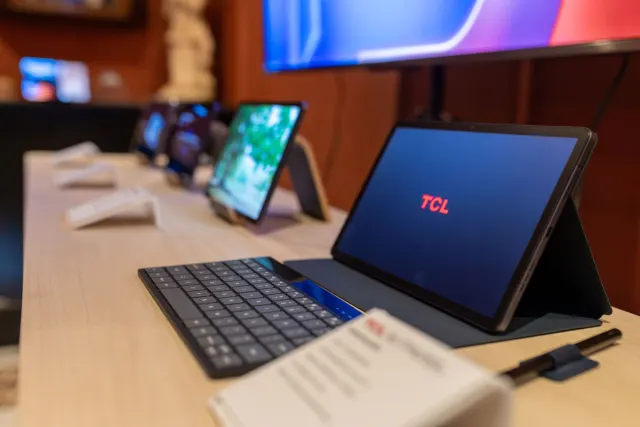
LG confirmed that voice recognition is disabled by default and requires opt-in consent alongside physical remote button presses or supported wake words. Samsung asserted that its televisions do not listen to or record private conversations, utilizing local listening solely for wake-up words like Bixby. Meanwhile, Roku highlighted that while its TVs lack built-in microphones, certain voice remotes function only while the microphone button is held. TCL noted that third-party operating systems control voice features on its hardware under their own separate privacy guidelines.
Data transmission and automated content recognition, commonly known as ACR, also formed a core part of the questionnaire. ACR technology tracks what users watch to build audience metrics, serve tailored advertisements, and suggest content recommendations. While setup menus often encourage users to accept these terms during initial configuration, consumers can generally opt out later. However, effectiveness varies; a Northeastern University study revealed that Vizio continued sending information after an opt-out procedure, classifying it as routine operational data, while Samsung and Roku reduced but did not entirely stop data traffic.


Comments