
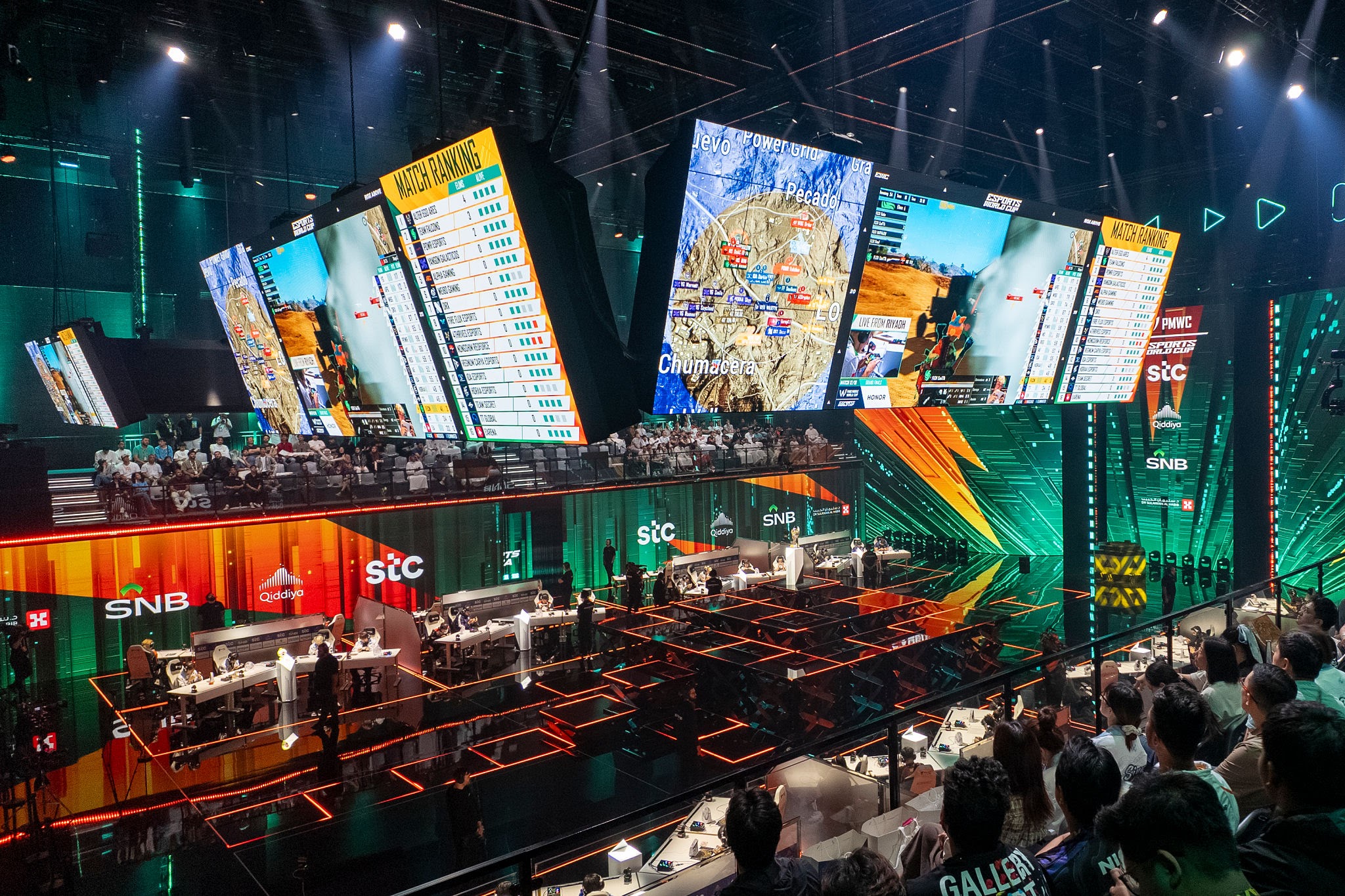
For decades, video games were viewed as a niche, solitary hobby—pixelated entertainment confined to the glow of a CRT television in a basement. Today, that perception is entirely obsolete. The video game industry generates more global revenue than the film and music industries combined, and competitive Esports tournaments fill massive Olympic-sized stadiums with screaming fans.
This meteoric rise is driven by a relentless wave of technological innovation. Gaming is the ultimate bleeding edge of consumer technology. The demands of generating photorealistic, interactive, 3D worlds in real-time push the absolute limits of computing power, artificial intelligence, and network infrastructure, creating ripple effects that influence everything from military simulations to medical imaging.
Neural Rendering and Real-Time Ray Tracing
The holy grail of computer graphics has always been true photorealism—making a digital world indistinguishable from a photograph.
- The Physics of Light: Traditional games used "rasterization," a technique that essentially faked the lighting in a scene to save computing power. Modern gaming relies on Real-Time Ray Tracing. This technology mathematically simulates the physical behavior of individual photons. It calculates exactly how light bounces off a puddle of water, refracts through a glass window, and casts a dynamically softening shadow, all in milliseconds.
- AI Upscaling (DLSS): Because ray tracing is incredibly taxing on hardware, graphics card manufacturers (like NVIDIA) utilize deep learning. The game renders internally at a lower resolution to keep frame rates high, and an AI neural network instantly reconstructs the image to high-definition 4K before it hits the monitor. This allows for breathtaking visual fidelity without requiring a supercomputer to run it.
Cloud Gaming and Hardware Decoupling
Historically, the barrier to entry for high-end gaming was the requirement to purchase a $1,500 gaming PC or a $500 console every few years. Cloud gaming is destroying that barrier.
- The Data Center Console: Platforms like Xbox Cloud Gaming decouple the software from the local hardware. The actual game is running on a massive server farm hundreds of miles away. The server renders the graphics and streams the resulting video directly to a user's low-end laptop, smart TV, or mobile phone.
- The Latency War: This relies entirely on the rollout of 5G networks and edge computing. To be playable, the time it takes for a user to press a button on their controller, send that signal to the cloud, and have the resulting action appear on their screen must be under 50 milliseconds. As global network latency drops, the necessity for powerful at-home gaming hardware will evaporate.
The Esports Ecosystem and Data Analytics
Esports is no longer just "playing games competitively"; it is a massive, highly professionalized athletic industry with its own sports science and data analytics divisions.
- Micro-Action Tracking: In games like League of Legends or Counter-Strike, elite players execute hundreds of Actions Per Minute (APM). Data analytics platforms capture every single mouse click, keyboard stroke, and eye movement during a match.
- Algorithmic Coaching: Professional Esports teams employ data scientists to analyze this telemetry. AI algorithms review thousands of hours of an opponent's past matches to identify their strategic tendencies, optimal drafting patterns, and visual blind spots, providing coaches with predictive insights that give their team a mathematical edge.
- The Broadcast Infrastructure: Broadcasting an Esports tournament requires directing a live event inside a virtual world. AI virtual cameramen automatically cut to the most exciting action happening across a massive digital map, while real-time augmented reality overlays project player stats and predictive win-probabilities onto the stadium screens for the live audience.
Generative AI and Procedural Generation
The cost and time required to build a massive, "AAA" open-world game have spiraled out of control, often taking hundreds of developers up to a decade to finish. Generative AI is changing how these worlds are built.
- Procedural Worlds: Instead of an artist manually placing every single tree and rock in a massive virtual forest, they use procedural generation algorithms. The artist sets the physical rules (e.g., "pine trees only grow above this elevation"), and the algorithm instantly generates thousands of square miles of unique, realistic terrain.
- Dynamic NPCs: Non-Playable Characters (NPCs) historically relied on rigid, pre-written dialogue trees. Developers are now integrating Large Language Models (LLMs) directly into game engines. This allows players to walk up to an NPC and have a completely unscripted, dynamic voice conversation via their microphone, with the AI generating a unique, context-aware response in real-time based on the character's backstory.
The Outlook
The gaming industry is the ultimate proving ground for human-computer interaction. As VR, cloud streaming, and generative AI mature, games will cease to be static pieces of software we consume. They will evolve into persistent, synthetic realities—digital arenas that offer levels of immersion, competition, and social connection that rival the physical world.





Comments