
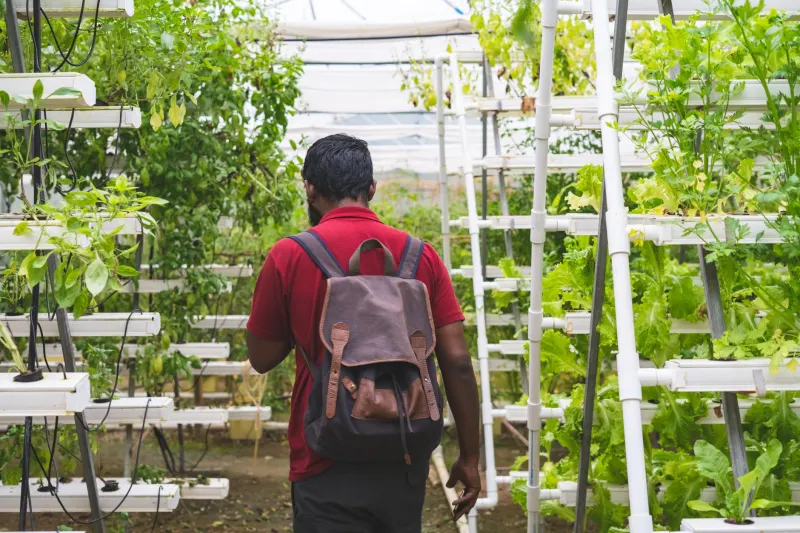
Growing a backyard worth of fresh greens and vegetables inside a home has become increasingly accessible through modern hydroponic garden systems. Over a two-year testing period, various smart indoor setups have demonstrated how users can harvest organic lettuce, tomatoes, peppers, strawberries, and herbs within just a few square feet of living space. These systems require minimal space and ongoing maintenance, offering tailored solutions ranging from high-capacity vertical towers to compact tabletop herb gardens.
Key takeaways
- The Gardyn Home 4.0 system costs $899 and accommodates up to 30 plants using proprietary yCubes and front-mounted lights.
- Lettuce Grow's Farmstand ranges from $773 to $1,274 depending on seedling capacity and features a distinctive modular, space-age design.
- Gardyn devices previously faced security vulnerabilities allowing potential remote access, which the company addressed via firmware version 619.
- Indoor hydroponic systems demand regular maintenance, including tank cleaning, root checks, and water replenishment.
Gardyn Home 4.0 Leads in Overall Versatility
The Gardyn Home 4.0 stands out as a top-performing option for indoor growing, offering an intuitive assembly process and high yields. Seeds arrive in proprietary mineral-wool pods called yCubes, which slot into cups that automatically fill with nutrient-infused water during watering cycles. Users can select from curated sets such as Salad Lover, Budding Florist, or Chef Faves, housing everything from breen and Tokyo bekana greens to miniature sunflowers. The system operates on a 14- to 16-hour light cycle with a pump cycle running for five minutes three times a day.
The Gardyn ecosystem features an optional AI-powered companion app subscription called Kelby, priced at $259 annually, which monitors plants via sensors and cameras to deliver customized schedules. However, users can operate the device manually without the subscription. Maintenance requires emptying and scrubbing the base monthly, alongside checking roots every few weeks for root rot and excessive growth. Security advisories released in 2026 by the US Cybersecurity and Infrastructure Security Agency warned of potential remote control vulnerabilities in Gardyn devices, prompting the company to release firmware version 619 to remediate the risk.
Lettuce Grow Farmstand Offers Modular Growth
The Lettuce Grow Farmstand provides an alternative structure featuring a bulbous water reservoir topped by tiers set between full-spectrum LED rings. The modular setup lets users expand a smaller configuration into a larger model by snapping on extra levels and light rings. The indoor model relies on a 20-gallon water reservoir and a customizable light cycle operating for 14 to 17 hours daily. Because the water cascades down over plant roots rather than keeping cups in constant contact, the unit performs best with pre-grown seedlings.
Testing revealed that pre-grown seedlings shipped in peat pellets can occasionally introduce whitefly and aphid outbreaks, though an optional $36 Plant Protection kit containing organic fungicide and insecticide resolves the issue. Because the 20-gallon reservoir renders the unit heavy and immobile when filled, emptying the water presents a challenge without a hose, making an optional $80 dolly a worthwhile investment for owners.







Comments