
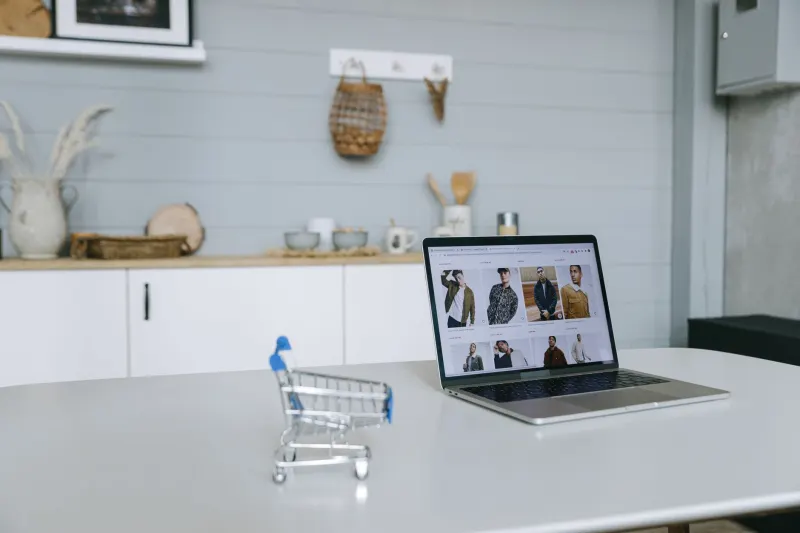
eBay appears to have shut out third-party artificial intelligence agents, including Meta's Muse, from browsing product listings on its platform, representing the latest hurdle in the expanding race for AI agent commerce. Multiple users and testing have shown that tools capable of curating daily digests or searching for goods are increasingly facing access blocks across major retail websites.
For several weeks, a user relied on Meta's Muse agent to browse and curate a daily digest of watches listed for sale on eBay, complete with direct links, pricing, shipping details, and condition notes. However, testing over the weekend revealed that Muse could no longer pull any links or specific details directly from eBay, instead reporting that it was blocked from accessing the site. In some instances, the agent directed users toward external websites that mirror eBay listings rather than retrieving the live data.
Key takeaways
- eBay has blocked third-party AI agents like Meta's Muse from browsing marketplace listings.
- The platform previously updated its user agreement to explicitly ban buy-for-me agents and LLM-driven bots.
- Other major platforms, such as Amazon, are also blocking external shopping agents entirely.
- Real-world adoption remains low, with companies like Uber and DoorDash reporting very few agent-fulfilled transactions.
The Evolving Policy on Bots and Scraping
Shopping has frequently been highlighted as a primary use case where artificial intelligence agents could streamline and improve the consumer experience by finding deals, booking travel, or purchasing goods. Despite these grand visions from Silicon Valley, retailers and service providers continue to throw up roadblocks. eBay previously updated its user agreement to prohibit buy-for-me agents and large language model-driven bots that execute orders without human supervision.
Sybille St. Arromand, an eBay spokesperson, stated that artificial intelligence is already becoming embedded directly into the platform for discovery, personalization, and selling processes. While declining to directly confirm whether new limits were recently imposed on AI agents, St. Arromand noted that the company takes a selective approach to third-party access. Restrictions have been implemented in certain cases to prevent unauthorized data scraping and model training.
St. Arromand added that eBay is actively having ongoing discussions with potential partners and evaluating how third-party agents could eventually help new customers discover inventory, while keeping the focus on preserving a trusted end-to-end experience. Meta declined to comment on the access restrictions affecting its Muse tool.
Broader Retail Landscape and Early Adoption Realities
The broader e-commerce sector shows a fragmented approach to autonomous software. Amazon completely blocks external agents from browsing or shopping, while Target enforces restrictions that permit agent browsing in some scenarios while blocking them in others. Conversely, Shopify has opened its catalog of one billion listings to let shoppers configure agents to purchase items directly on their behalf.
Integrating autonomous bots into online retail has raised operational and security concerns because digital storefronts are predominantly engineered for human shoppers. For instance, tests in October revealed that users could leverage Muse to effectively hold product listings hostage on secondhand designer consignment site The RealReal by continually adding items to carts. The RealReal subsequently updated its bot mitigation systems.
Despite significant hype surrounding agentic commerce, early data indicates that mainstream consumer adoption remains minimal. Uber reported fulfilling only four rides via third-party agents during the third quarter and roughly 500 Uber Eats orders during the week of Halloween. Similarly, DoorDash handled only several hundred agent-placed orders out of 993 million total orders processed last quarter.







Comments