
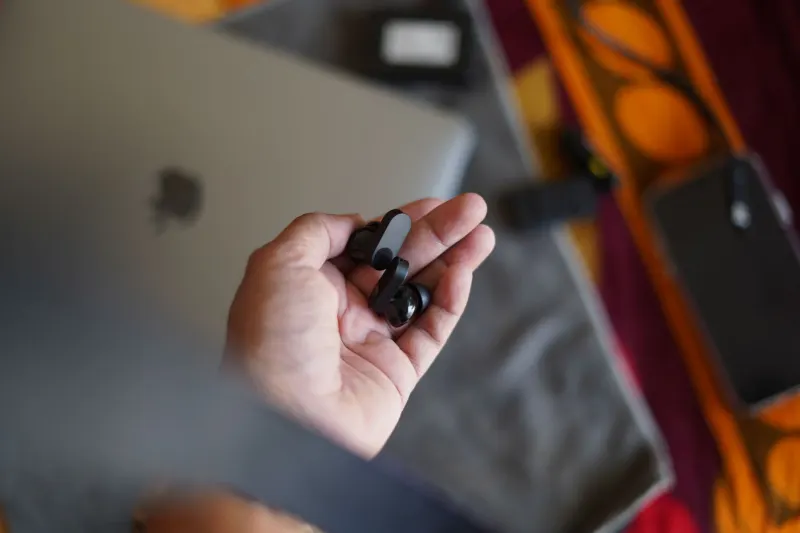
With active noise-canceling and solid sound quality, Apple AirPods Pro are some of the best earbuds you can pair with an iPhone, but their capabilities extend far beyond playing music. Hearing health is a critical concern regardless of age, and AirPods Pro 2 and 3 models now include built-in hearing test and hearing aid features designed to help users monitor their auditory wellness.
The hearing test feature first arrived in October 2024 alongside the release of iOS 18.1. Promoted by Apple as a clinical-grade assessment, the test can be completed in as little as five minutes. While commercially available health devices often face skepticism regarding their effectiveness, evidence indicates that the AirPods Pro hearing test can deliver accurate results under the right conditions.
Key takeaways
- The AirPods Pro hearing test takes about five minutes and arrived via iOS 18.1 in October 2024.
- A 2026 study found the earbuds show clinically acceptable accuracy compared to standard tests.
- Accurate readings require a quiet environment and a proper in-ear seal using the correct tips.
- The feature serves as a screening tool and cannot provide a medical diagnosis or replace an audiologist.
Regulatory approval and clinical studies
To release these hearing test and hearing aid features, Apple was required to secure FDA authorization. That regulatory process involved a clinical study focused specifically on the hearing aid functionalities. Additional studies on the hearing test itself have emerged following its release.
A 2026 study published in Otolaryngology–Head and Neck Surgery by an international team of researchers evaluated the AirPods Pro. The findings demonstrated that the device showed clinically acceptable accuracy and reliability when compared directly against standard audiometry tests. Researchers also highlighted that Apple's assessment is significantly faster and easier to perform than an in-office exam, which could encourage a larger portion of the population to take their hearing health seriously.
Limitations and environmental requirements
Despite the positive findings, industry experts emphasize that the AirPods Pro health tools cannot substitute for a professional doctor's visit. Apple's assessment functions as a valid screening tool rather than a diagnostic device. Furthermore, the test relies entirely on pure-tone audiometry, which measures how clearly a user perceives different sound frequencies. A comprehensive visit to an audiologist includes additional diagnostics to measure bone conduction and eardrum health, providing a fuller picture that can pinpoint the exact cause of hearing loss.
Obtaining an accurate reading also depends heavily on proper execution. The AirPods Pro must form a complete and secure seal in the user's ears, and finding the right ear tips can sometimes present a challenge. Testing must also occur in a quiet environment free from high levels of background noise. Although the software actively alerts users if it detects excessive ambient noise or a poor in-ear fit, clinical office testing remains fundamentally more reliable.
The AirPods Pro screening tool is primarily intended to detect the normal, gradual hearing loss that everyone experiences to some degree as they age. Anyone experiencing sudden hearing degradation, ear pain, or a noticeable disparity between ears should seek medical attention immediately. Consequently, the Apple feature functions best as a proactive starting point before severe symptoms appear rather than a medical solution after the fact.

Comments