
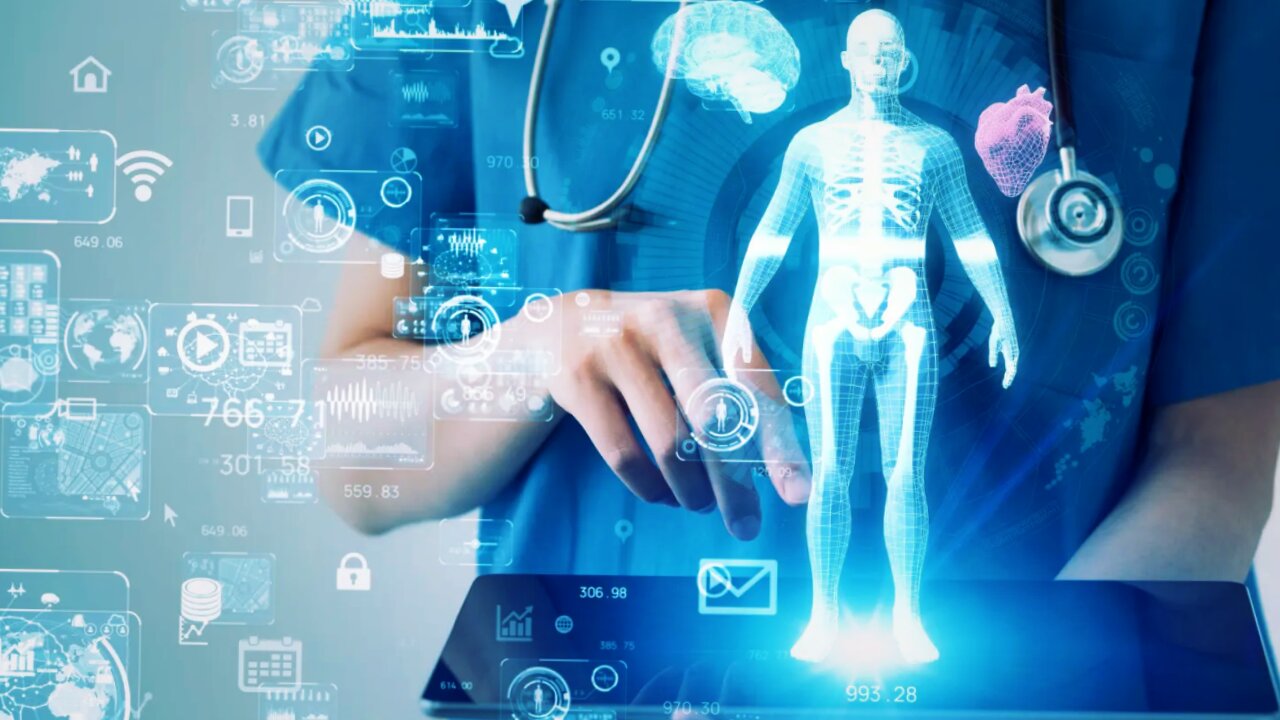
Machine Learning is playing a transformative role in precision medicine by enabling healthcare providers to deliver more personalized, accurate, and effective treatments. By analyzing vast amounts of patient data, including genetic information, medical histories, lifestyle factors, and clinical records, machine learning algorithms can identify patterns that support individualized healthcare decisions.
The growing adoption of machine learning in healthcare is helping physicians diagnose diseases earlier, predict patient risks more accurately, and develop customized treatment plans tailored to each patient's unique biological profile. This data-driven approach is improving patient outcomes while reducing unnecessary treatments and healthcare costs.
Machine learning models are increasingly being used in genomics research to analyze complex genetic datasets and identify potential disease markers. These insights enable healthcare professionals to better understand how genetic variations influence disease progression and treatment effectiveness, paving the way for more targeted therapies.
Drug discovery and development are also benefiting significantly from machine learning technologies. Pharmaceutical companies are utilizing advanced algorithms to identify promising drug candidates, predict clinical trial outcomes, and accelerate research timelines. This reduces development costs and helps bring innovative treatments to patients faster.
Predictive analytics powered by machine learning allows healthcare organizations to detect potential health risks before symptoms become severe. Early identification of conditions such as cancer, cardiovascular diseases, diabetes, and neurological disorders enables timely interventions and improves long-term patient outcomes.
Medical imaging is another area experiencing substantial advancements through machine learning. AI-powered imaging systems can analyze X-rays, MRIs, CT scans, and pathology images with high accuracy, assisting radiologists and clinicians in detecting abnormalities more efficiently and consistently.
Machine learning-driven clinical decision support systems are helping healthcare professionals make informed treatment decisions by providing evidence-based recommendations derived from large-scale medical datasets. These systems improve diagnostic accuracy and support better patient management strategies.
The integration of wearable devices, remote monitoring technologies, and digital health platforms is generating continuous streams of health data that can be analyzed using machine learning models. This enables proactive healthcare management, personalized wellness recommendations, and real-time monitoring of chronic conditions.
As healthcare organizations continue investing in digital transformation initiatives, machine learning is expected to become a core component of precision medicine strategies worldwide. Industry experts predict that ongoing advancements in AI, data analytics, and computational biology will further enhance personalized healthcare capabilities throughout the coming years.
The convergence of machine learning, genomics, predictive analytics, and advanced healthcare technologies is creating a future where treatments are increasingly tailored to individual patients, leading to improved outcomes, greater efficiency, and a more patient-centered healthcare ecosystem.





Comments