
SpaceX has officially declared its intent to transform Starlink Mobile into a major wireless carrier, launching an aggressive multi-pronged strategy to compete directly with dominant telecom giants AT&T, Verizon, and T-Mobile. While the Elon Musk-owned company has already deployed thousands of direct-to-cell satellites in orbit, its next monumental challenge involves constructing a robust terrestrial 5G network on the ground to deliver a seamless hybrid connectivity experience.
The push to become a primary carrier has driven a series of major moves by SpaceX leadership, including high-profile spectrum acquisitions and strategic infrastructure partnerships. During the company's earnings call, SpaceX president Gwynne Shotwell and CEO Elon Musk outlined plans to build out a terrestrial component using recently acquired spectrum licenses to capture a significant share of existing carrier customers.
Key takeaways
- SpaceX agreed to buy low-band spectrum licenses, including up to 14 megahertz in the 800 MHz band, to help signals penetrate walls.
- A multi-year deal with Qualcomm will deploy Dragonwing technology across tens of thousands of 5G cell sites starting in 2027.
- SpaceX has discussed a potential agreement to acquire or access the network of budget-friendly carrier Boost Mobile.
- Reports indicate SpaceX is in talks to tap into 80,000 cell sites through Crown Castle Inc. to build out its nationwide network.
Building the Terrestrial Infrastructure
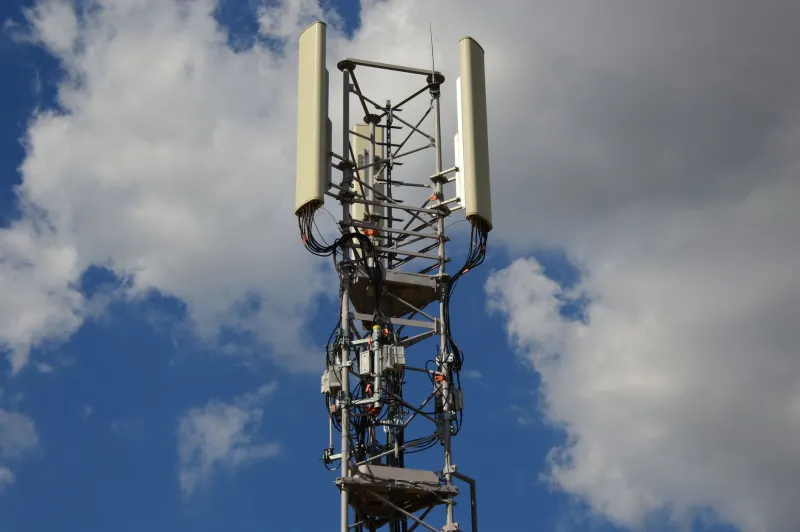
To realize its vision of a hybrid mobile network, SpaceX has inked a crucial multi-year deal with Qualcomm. Under this agreement, Qualcomm will deploy its Dragonwing cellular technology across tens of thousands of 5G cell sites throughout the United States, with initial rollouts scheduled to begin in 2027. This ground-based hardware will work in tandem with the Starlink satellite constellation to provide comprehensive coverage.
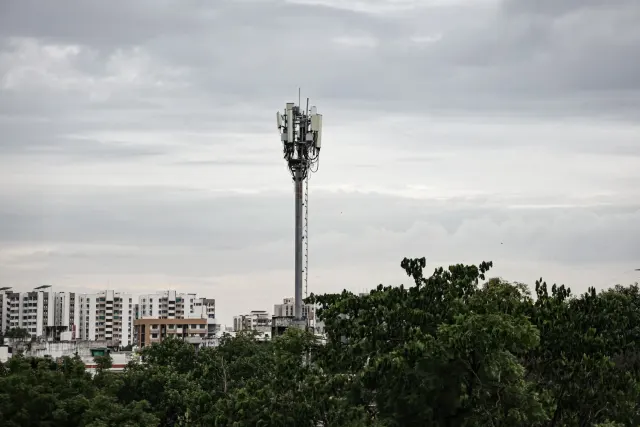
Furthering its terrestrial expansion, SpaceX has also discussed a potential deal with EchoStar regarding Boost Mobile. The discussions, which involved Musk and EchoStar chairman Charlie Ergen, could see SpaceX acquire Boost Mobile or utilize its existing service footprint. Because Boost Mobile's network relies on T-Mobile and AT&T infrastructure, any final agreement may require clearance from those rival carriers. Additionally, reports from Bloomberg indicate that SpaceX has held discussions with Crown Castle Inc. to potentially tap into 80,000 cell sites, giving the aerospace company access to roughly half of the operational cell towers in the US.
Securing Spectrum and Facing Industry Reaction
The groundwork for Starlink Mobile relies heavily on securing valuable wireless spectrum. SpaceX previously acquired 2GHz spectrum from EchoStar for its direct-to-device service and subsequently secured low-band spectrum licenses designed to improve signal penetration inside buildings and homes. Once the Federal Communications Commission officially signs off on the latest spectrum transactions, SpaceX intends to deploy its combined satellite and terrestrial architecture.
These aggressive maneuvers have naturally caught the attention of established industry leaders. Tim Höttges, the CEO of T-Mobile parent company Deutsche Telekom, acknowledged that he takes the SpaceX mobile initiative very seriously, though he noted that building out the infrastructure could cost Elon Musk upwards of $200 billion.







Comments