
The chairman of T-Mobile and CEO of its parent company, Deutsche Telekom, has estimated that Starlink Mobile will require an investment of at least $200 billion to effectively compete within the telecommunications industry. Speaking during a recent earnings call, Tim Höttges addressed the ambitions of SpaceX, acknowledging that he takes Elon Musk's telecom venture seriously while drawing clear parallels to how Tesla disrupted the legacy automotive market. SpaceX has taken several tangible steps toward establishing Starlink Mobile as a rival to established carriers by partnering with Qualcomm and securing international operational clearance. However, industry veterans emphasize that the sheer scale of required infrastructure and spectrum acquisition represents a monumental undertaking that could take several years to fully materialize.
Key takeaways
- Tim Höttges estimates Starlink Mobile will need a minimum of $200 billion to play in the telecom industry.
- Höttges noted that Musk currently holds 76 megahertz of spectrum, compared to T-Mobile's 400 megahertz.
- Industry analysts point to necessary steps including building radios, launching satellites, and securing tower agreements.
- Experts like Tim Farrar suggest acquiring EchoStar spectrum assets could be the fastest route forward.
Breaking Down Massive Spectrum and Infrastructure Costs
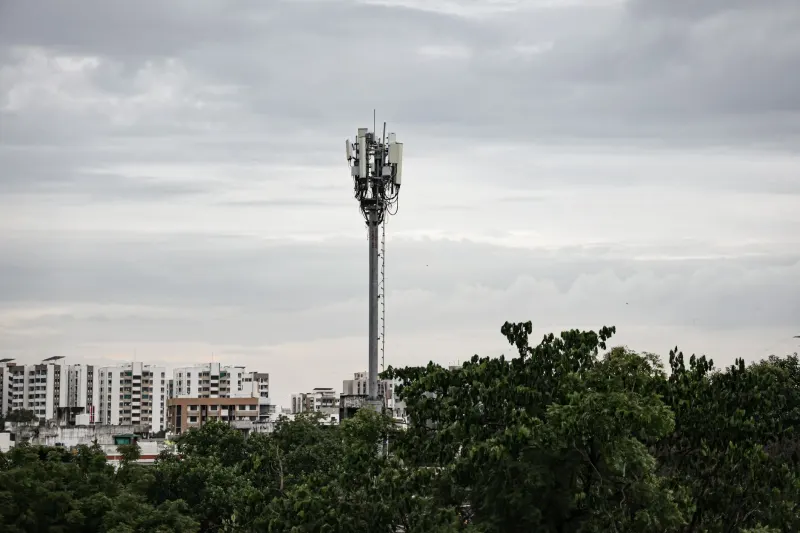
According to Höttges, acquiring the necessary spectrum position will require triple-digit billions in capital. He highlighted the disparity in current holdings, noting that Musk currently possesses 76 megahertz of spectrum compared to T-Mobile's 400 megahertz, meaning substantial purchases will be required to bridge the gap prospectively. Beyond spectrum acquisitions, the ground infrastructure demands immense financial backing. Höttges explained that renting towers could cost an additional $20 billion to $30 billion, alongside expenses for constructing or purchasing antennas. Ookla lead industry analyst Mike Dano outlined further logistical hurdles, noting that the network must build radios based on Qualcomm technology, affix them atop nationwide towers, and launch thousands of new satellites to support the targeted spectrum purchased from EchoStar.
Dano added that Starlink Mobile will also need to sell phones supporting the various spectrum bands it hopes to use, create an effective retail strategy to entice customers away from existing U.S. cellular providers, and answer outstanding questions about whether its future network will be robust enough to support daily user needs. Telecoms expert Tim Farrar, president of TMF Associates, suggests that purchasing remaining EchoStar spectrum assets alongside settlements with tower companies represents the most straightforward and quickest path toward resolving these equipment and coverage challenges.
Parallels to Tesla and the Legacy Automotive Industry
Despite the steep financial and operational roadblocks, telecom executives are careful not to underestimate the new market entrant. Höttges explicitly compared the situation to the rise of electric vehicles, warning legacy carriers not to repeat the mistakes made by traditional automakers who initially ignored Tesla. He pointed out that Musk brings a unique combination of chipsets, data centers, artificial intelligence, satellites, and mobile services, along with potential integrations of social media or agent models into his communication services.
Höttges remarked that this creates a completely new way of communication services that cannot simply be compared on a traditional mobile-to-mobile basis. While experts agree that becoming the fourth big mobile network in the United States will be a major challenge, the market anticipates that these developments will become a major theme throughout 2027 as SpaceX continues working through its partnerships and regulatory milestones.







Comments