
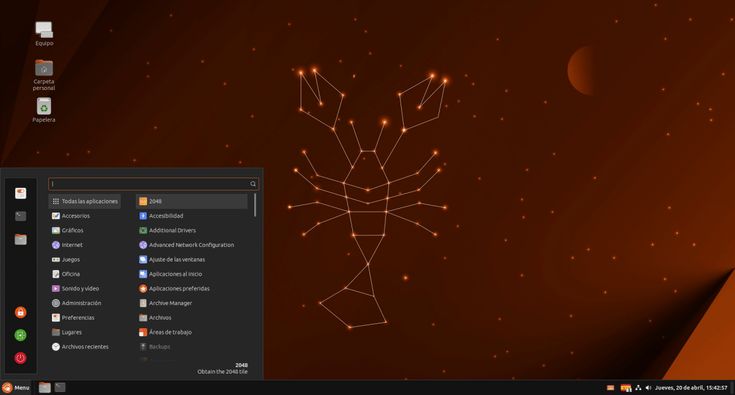
Canonical has officially announced the Ubuntu 26.10 Beta, giving developers, system administrators, and Linux enthusiasts an early preview of the next version of one of the world's most popular Linux distributions. The beta release introduces a wide range of improvements, including enhanced hardware compatibility, better system performance, updated desktop features, stronger security protections, and the latest open-source software packages. Designed for testing before the stable release later this year, Ubuntu 26.10 Beta demonstrates Canonical's continued focus on delivering a reliable, secure, and developer-friendly operating system for both desktop and server users. (ubuntu.com)
Ubuntu has long been one of the most widely adopted Linux operating systems across personal computers, enterprise servers, cloud infrastructure, and software development environments. Its combination of long-term support, strong community backing, and extensive software ecosystem has made it the preferred choice for developers, businesses, educational institutions, and cloud providers worldwide.
One of the most noticeable improvements in Ubuntu 26.10 Beta is enhanced system performance. Canonical has optimized boot times, memory management, and application responsiveness, allowing the operating system to deliver a smoother experience on both modern and older hardware. Desktop users should notice faster startup speeds, improved multitasking, and more efficient resource utilization during everyday computing tasks.
Hardware compatibility has also been expanded significantly. The beta includes support for the latest processors, graphics hardware, storage controllers, wireless networking devices, and peripheral technologies. These improvements ensure that Ubuntu can run more reliably across a broader range of laptops, desktops, workstations, and enterprise servers while reducing the need for manual driver installation.
The release ships with an updated Linux kernel, bringing improved hardware detection, enhanced scheduling, stronger power management, and better compatibility with modern computing platforms. Kernel updates also include performance optimizations and security fixes contributed by the global Linux development community, ensuring that Ubuntu remains aligned with the latest open-source innovations.
Canonical has refreshed the desktop experience by including the latest version of the GNOME desktop environment. Users benefit from a cleaner interface, smoother animations, improved accessibility features, enhanced window management, and better support for high-resolution displays. These refinements contribute to a more polished user experience while maintaining Ubuntu's familiar design philosophy.
Security continues to be one of Ubuntu's highest priorities. Ubuntu 26.10 Beta introduces updated cryptographic libraries, stronger system protections, expanded application sandboxing, and improved security monitoring capabilities. These enhancements help safeguard both personal and enterprise systems against emerging cybersecurity threats while maintaining compatibility with existing software.
Developers receive several important upgrades in this release. Ubuntu includes updated versions of Python, GCC, Git, OpenSSH, system libraries, and container development tools, providing programmers with a modern software development environment immediately after installation. These updates simplify application development while supporting the latest programming languages and frameworks.
Container and cloud computing support has also been strengthened. Ubuntu remains one of the most widely used operating systems for Docker, Kubernetes, OpenStack, and public cloud deployments. The latest beta improves container performance, networking reliability, and virtualization support, making it an even stronger platform for cloud-native application development.
Canonical has also refined package management by improving software installation speed, dependency handling, and repository synchronization. These enhancements allow users to install updates more efficiently while reducing the likelihood of package conflicts during system maintenance.
Power efficiency has received additional attention. Improved processor scheduling and optimized background services help reduce battery consumption on laptops while improving energy efficiency in enterprise data centers. These changes support sustainability goals while extending battery life for mobile users.
Networking capabilities have also been enhanced. Ubuntu 26.10 Beta introduces better Wi-Fi stability, updated Bluetooth support, improved VPN compatibility, and stronger IPv6 networking features. These updates improve connectivity across home, enterprise, and cloud environments while ensuring reliable communication between modern devices.
Artificial intelligence and machine learning developers continue to benefit from Ubuntu's extensive compatibility with popular AI frameworks. The operating system provides strong support for Python-based development, GPU acceleration, CUDA toolkits, and machine learning libraries, making it one of the preferred Linux distributions for AI research and production deployments.
Enterprise organizations can take advantage of improved virtualization support, better storage management, and enhanced system administration tools. These features simplify infrastructure management while supporting large-scale deployments across private data centers and hybrid cloud environments.
Educational institutions are expected to benefit from the latest release as well. Ubuntu remains one of the most widely used operating systems for programming education, research computing, and open-source learning. Updated development tools and improved system stability provide students and educators with a dependable platform for technical education.
Canonical continues its strong commitment to open-source software by working closely with developers across the Linux ecosystem. Contributions from the Linux kernel community, GNOME project, GNU utilities, and numerous open-source maintainers are incorporated into every Ubuntu release, ensuring long-term stability while delivering modern features.
Industry analysts believe Ubuntu's continued evolution reflects the growing importance of Linux across cloud computing, artificial intelligence, enterprise infrastructure, and software development. As organizations increasingly rely on open-source technologies, distributions like Ubuntu continue serving as foundational platforms for innovation.
The Ubuntu 26.10 Beta release also provides developers and system administrators with an opportunity to test new features before the stable version becomes generally available. Community feedback during the beta period helps Canonical identify bugs, improve compatibility, and refine the overall user experience prior to the official release.
The latest beta demonstrates Canonical's ongoing focus on balancing innovation with reliability. Rather than introducing disruptive changes, Ubuntu 26.10 Beta delivers practical improvements that enhance performance, security, hardware compatibility, and developer productivity while preserving the stability that users expect from the Ubuntu platform.
As Linux adoption continues expanding across desktop computing, cloud infrastructure, edge computing, and enterprise environments, Ubuntu remains one of the leading operating systems supporting this transformation. Ubuntu 26.10 Beta reinforces Canonical's commitment to delivering a secure, efficient, and modern Linux experience that meets the evolving needs of developers, businesses, and technology enthusiasts around the world.





Comments