
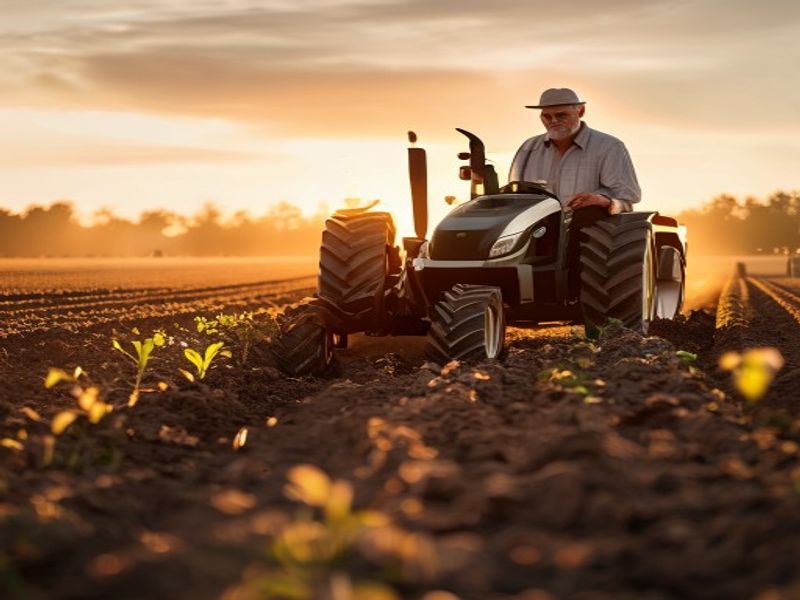
Modernizing agricultural practices demands a holistic approach that extends far beyond merely implementing new equipment or software. While innovations in agritech promise greater efficiency and sustainability, their successful integration hinges on a complex interplay of economic realities, social dynamics, and cultural acceptance among farming communities.
The notion that technology alone can revolutionize the farm often overlooks critical ground-level challenges. High upfront costs for precision agriculture tools, AI-driven analytics platforms, or even electric farm vehicles can be prohibitive for many small and medium-sized operations. Return on investment isn't always immediate or easily quantifiable, creating a significant barrier to adoption. Farmers also face a steep learning curve; complex digital systems require training, technical support, and a shift in mindset from traditional methods. Moreover, reliable infrastructure, particularly in rural areas, remains a bottleneck for data-intensive technologies and connectivity-dependent devices. Without robust internet access and power stability, even the most cutting-edge solutions struggle to deliver their full potential.
Beyond the practicalities, social and cultural dimensions play an equally vital role. Generational differences often dictate openness to new technologies, with younger farmers more readily embracing digital tools than their veteran counterparts. Trust in data privacy and the security of proprietary information shared with tech providers is also paramount. Policy support, including subsidies for technology acquisition, accessible financing, and robust extension services for training and demonstration, becomes indispensable in bridging the gap between innovation and widespread implementation. Ultimately, truly changing the farm requires fostering an ecosystem where technology is not just introduced, but thoughtfully integrated into existing practices, supported by infrastructure, education, and policies that empower farmers, rather than overwhelm them, to embrace a sustainable future.





Comments