
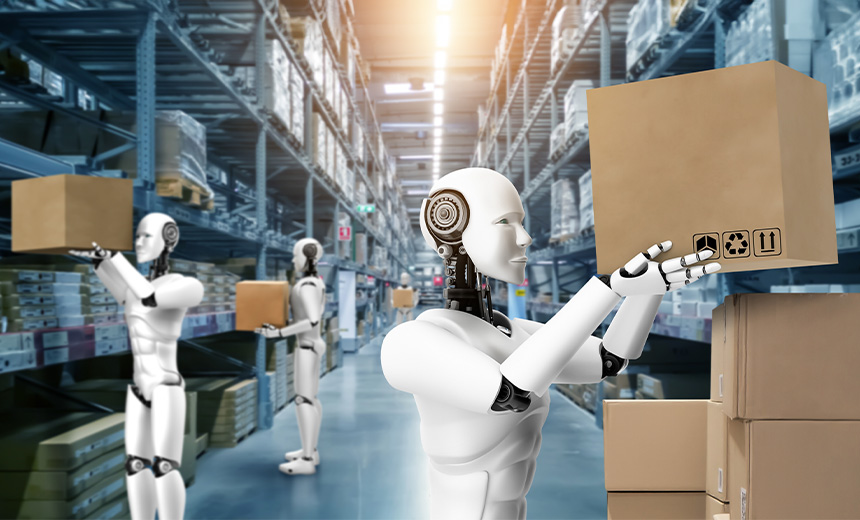
Intelligent robotics is transforming supply chain operations by combining artificial intelligence (AI), machine learning, computer vision, and autonomous technologies to improve efficiency, accuracy, and operational resilience. As global supply chains become increasingly complex, businesses are adopting AI-powered robotic systems to automate repetitive tasks, optimize inventory management, accelerate logistics, and enhance decision-making across the entire supply chain.
Unlike traditional automation systems that follow predefined instructions, intelligent robots can analyze their surroundings, interpret real-time data, adapt to changing operational conditions, and make informed decisions with minimal human intervention. These capabilities enable organizations to create more flexible and responsive supply chain networks.
Warehouse automation is one of the fastest-growing applications of intelligent robotics. Autonomous mobile robots (AMRs) transport inventory, deliver materials between workstations, and assist with order fulfillment while safely navigating dynamic warehouse environments. AI-powered navigation systems help robots avoid obstacles, optimize travel routes, and coordinate efficiently with warehouse personnel.
Inventory management has become more accurate through robotics and computer vision. Smart cameras, barcode scanners, RFID systems, and AI algorithms continuously monitor stock levels, identify misplaced items, and detect inventory discrepancies in real time. This visibility helps organizations reduce stock shortages, minimize overstocking, and improve inventory accuracy.
Order fulfillment operations are becoming faster with robotic picking and sorting systems. AI-enabled robots identify products, select items, and organize shipments with high precision, helping distribution centers process customer orders more efficiently while reducing manual handling and operational errors.
Machine learning enhances supply chain optimization by analyzing historical demand patterns, operational performance, and inventory trends. Predictive analytics supports more accurate demand forecasting, resource allocation, and replenishment planning, allowing businesses to respond proactively to market changes.
Logistics companies are integrating intelligent robotics into package handling, shipment sorting, and fleet operations. Automated systems streamline distribution processes, reduce delivery delays, and improve transportation efficiency while providing greater visibility across logistics networks.
Computer vision plays a critical role in robotic supply chain operations. AI-powered vision systems recognize products, inspect packaging quality, verify shipments, and identify damaged goods before they enter distribution channels. Automated visual inspection improves quality control while reducing costly errors.
Manufacturing facilities are connecting robotics with supply chain management to create highly coordinated production environments. AI-powered systems synchronize material movement, production schedules, warehouse operations, and inventory replenishment, enabling seamless coordination between manufacturing and logistics functions.
Cloud computing provides the infrastructure needed to support intelligent supply chain robotics. Cloud-based platforms enable centralized fleet management, real-time analytics, software updates, and data sharing across warehouses, manufacturing sites, and distribution centers. This connectivity improves operational visibility and supports more informed business decisions.
Edge AI further enhances robotic performance by enabling local processing of sensor data. Robots can make immediate navigation, routing, and operational decisions without relying entirely on cloud connectivity, reducing latency and improving reliability in high-speed warehouse environments.
Digital twins are increasingly being used to optimize supply chain operations. Virtual models of warehouses, transportation networks, and logistics systems allow organizations to simulate workflows, evaluate operational changes, and identify bottlenecks before implementing improvements in physical operations.
Sustainability is also benefiting from intelligent robotics. AI-driven logistics optimization helps reduce unnecessary transportation, improve warehouse energy efficiency, optimize packaging processes, and minimize waste throughout the supply chain. These improvements support both operational performance and environmental objectives.
Cybersecurity remains an essential consideration as supply chain systems become more connected. Organizations are implementing secure communication protocols, continuous monitoring, AI governance, and access controls to protect operational technology, business data, and robotic infrastructure from evolving cyber threats.
Collaboration among robotics manufacturers, AI developers, logistics providers, cloud technology companies, and research institutions continues to accelerate innovation in supply chain automation. Advances in autonomous navigation, multimodal AI, predictive analytics, and robotics hardware are expanding the capabilities of intelligent logistics systems.
Industry experts expect intelligent robotics to become even more integral to supply chain operations as AI technologies continue to evolve. Improvements in autonomous decision-making, adaptive learning, collaborative robotics, and real-time analytics are expected to create more agile, efficient, and resilient supply chains capable of responding quickly to changing market conditions.
As organizations continue investing in digital transformation, intelligent robotics is emerging as a cornerstone of modern supply chain management. By combining artificial intelligence with advanced automation, businesses can streamline logistics, improve inventory accuracy, enhance operational efficiency, and build more resilient supply chain networks prepared for the future of global commerce.





Comments