
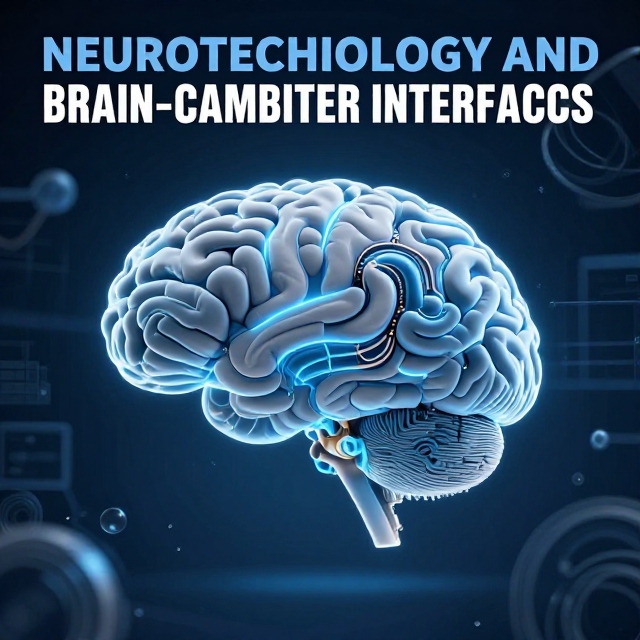
Brain-computer interface technology, which creates direct communication pathways between the human brain and external computing devices, represents one of the more scientifically ambitious and ethically complex frontiers of current technology development, with implications ranging from restoring function for individuals with severe disabilities to more speculative possibilities around cognitive enhancement.
Medical applications have driven much of the serious research investment in this field to date. Researchers have developed brain-computer interfaces that allow individuals with paralysis to control robotic limbs or computer cursors using neural signals alone, essentially translating brain activity patterns associated with intended movement into corresponding digital commands. For individuals who have lost the ability to control their limbs due to spinal cord injuries or neurodegenerative conditions, this technology offers the potential to restore meaningful independence and communication capability that would otherwise be impossible.
Similarly promising research has focused on restoring communication capability for individuals with conditions that prevent normal speech production, using neural signals associated with attempted speech to generate synthesized spoken words or text output. This application holds particular promise for individuals with conditions like severe forms of paralysis or certain neurodegenerative diseases that progressively eliminate the ability to communicate through normal speech, potentially restoring a fundamental human capability that patients and their families often describe as more valuable than any other function affected by their condition.
The underlying technology generally falls into two broad categories: invasive approaches that require surgically implanting electrodes directly into or on the surface of brain tissue, offering more precise signal detection but carrying surgical risks and long-term device reliability considerations, and non-invasive approaches that detect brain activity through sensors placed on the scalp, avoiding surgical risks but generally providing less precise signal detection due to the way the skull and scalp naturally distort and attenuate underlying neural electrical signals.
Significant technical challenges remain before brain-computer interface technology can achieve widespread clinical availability beyond specialized research settings. Signal processing algorithms must continue improving to more reliably and consistently translate the sometimes noisy, variable neural signals into accurate digital commands. Long-term biocompatibility of implanted devices remains an ongoing area of research, as the body's immune response to implanted foreign materials can degrade signal quality over time, potentially requiring device replacement or limiting the technology's practical long-term usefulness.
Beyond restoring lost function, more speculative and ethically complex applications have generated considerable public discussion, including possibilities around using brain-computer interfaces for direct cognitive enhancement or more seamless human-computer interaction beyond current input methods like keyboards, touchscreens, or voice commands. These more ambitious applications remain considerably further from practical realization than the medical restoration applications currently showing genuine clinical promise, and they raise substantially more complex ethical questions about equitable access, potential for coercive use, and fundamental questions about human identity and autonomy that current restoration-focused medical applications largely avoid.
Privacy and security considerations for brain-computer interface technology raise unusually profound questions, given that these devices interact directly with neural activity that could theoretically reveal deeply private information about thoughts, intentions, or emotional states that individuals have never chosen to disclose through conventional communication. Establishing appropriate legal and ethical frameworks around neural data privacy, consent, and security represents a genuinely novel policy challenge that existing data privacy frameworks, designed primarily around more conventional digital data, may not adequately address.
As brain-computer interface research continues advancing, the medical restoration applications currently showing the most concrete clinical promise are likely to see continued gradual expansion and refinement, offering meaningful benefit to individuals with severe disabilities affecting movement and communication. The more speculative cognitive enhancement applications that occasionally dominate popular discussion of this technology remain considerably more distant from practical realization, and will likely require extensive additional research along with thoughtful, proactive development of appropriate ethical and regulatory frameworks before any responsible path toward broader application becomes clear.





Comments