
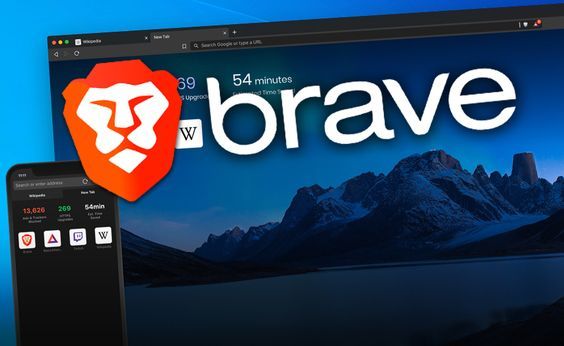
Brave Software has officially released Brave Browser 1.81, introducing a range of improvements focused on privacy, security, performance, and AI-powered browsing. The latest update delivers stronger tracker and ad blocking, enhanced AI assistant capabilities, faster page loading, improved memory efficiency, and updated Chromium security patches. Built on the Chromium engine, Brave Browser 1.81 continues to strengthen its reputation as one of the most privacy-focused web browsers available across Windows, macOS, Linux, Android, and iOS.
Brave has gained widespread popularity by automatically blocking advertisements, third-party trackers, fingerprinting techniques, and malicious scripts. Unlike traditional browsers that require multiple privacy extensions, Brave offers built-in protection while maintaining compatibility with modern websites and web applications.
One of the biggest highlights of Brave Browser 1.81 is the continued enhancement of Brave Leo, the browser's integrated AI assistant. The latest version improves contextual understanding, response quality, webpage summarization, writing assistance, and question answering. Users can interact with AI directly inside the browser without relying on separate applications, helping streamline research and productivity workflows.
Privacy remains the browser's defining feature. Brave 1.81 introduces improvements to tracker blocking, cookie management, fingerprinting protection, and private browsing. These enhancements help users reduce online tracking while providing greater control over how websites collect and process browsing data.
Performance has also been significantly optimized. The update improves startup speed, reduces memory consumption, enhances tab management, and accelerates page rendering. These changes create a smoother browsing experience, particularly for users who keep multiple tabs open simultaneously.
Security has been strengthened through the integration of the latest Chromium security updates, additional phishing protection, safer browsing mechanisms, and vulnerability fixes. These improvements help protect users from malicious websites, harmful downloads, and emerging online threats.
Cross-platform consistency continues to be a key advantage of Brave. Version 1.81 delivers a similar browsing experience across desktop and mobile devices, allowing users to synchronize bookmarks, passwords, browsing history, and settings while maintaining privacy protections across all supported platforms.
Developer tools also benefit from updated Chromium components, improved web standards compatibility, and refined debugging capabilities. Web developers can test modern web applications while taking advantage of Brave's privacy-focused environment.
Built-in cryptocurrency and Web3 features continue to evolve. Brave Wallet receives ongoing improvements for managing digital assets and interacting with decentralized applications (dApps), while maintaining the browser's emphasis on user privacy and local key management.
Accessibility has also been enhanced through refinements to keyboard navigation, screen reader compatibility, interface responsiveness, and readability features. These updates help ensure a more inclusive browsing experience for users with diverse accessibility needs.
Educational institutions and privacy-conscious organizations continue adopting Brave because of its built-in protections, reduced reliance on third-party extensions, and strong focus on secure web browsing. Students and professionals alike benefit from a browser that balances privacy with productivity.
The Brave open-source community remains active, contributing bug fixes, security improvements, documentation, and feature enhancements. Community feedback continues to shape the browser's development while supporting its mission of creating a faster, safer, and more private web.
Industry analysts expect privacy-focused browsers to gain greater adoption as concerns about online tracking, data collection, and digital security continue to grow. At the same time, AI-powered browsing tools are becoming an increasingly important differentiator in the browser market.
Looking ahead, Brave Software plans to further expand Leo's AI capabilities, strengthen privacy protections, improve browser performance, and enhance Web3 functionality in future releases. These developments aim to provide users with a more intelligent and secure browsing experience.
With stronger privacy protections, enhanced AI assistance through Leo, faster browsing performance, improved security, refined memory efficiency, expanded Web3 capabilities, better developer tools, and continued open-source innovation, Brave Browser 1.81 represents one of the most significant browser updates of the year. As users seek greater privacy and smarter browsing tools, Brave continues to stand out as a secure and feature-rich alternative in the modern web browser landscape.





Comments