
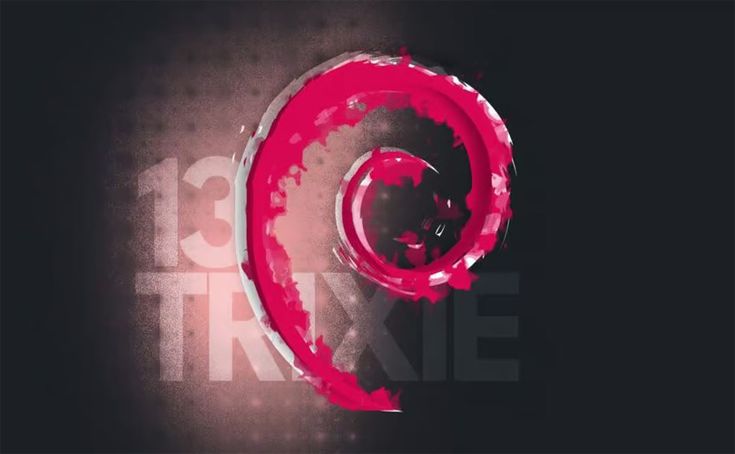
The Debian Project has officially released Debian 13, codenamed "Trixie," introducing one of the most significant updates to the popular Linux distribution in recent years. The release includes the Linux 6.12 LTS kernel, updated desktop environments, thousands of refreshed software packages, improved hardware compatibility, stronger security, and enhanced support for modern servers, desktops, cloud infrastructure, and embedded devices. As one of the world's most respected open-source operating systems, Debian 13 continues to provide a stable and reliable foundation for developers, enterprises, educational institutions, and Linux enthusiasts.
Debian has long been recognized for its stability, extensive software repositories, and commitment to free and open-source software. It serves as the foundation for many popular Linux distributions, including Ubuntu, and powers countless servers, cloud platforms, research environments, and desktop systems worldwide.
One of the biggest highlights of Debian 13 "Trixie" is its adoption of the Linux 6.12 Long-Term Support (LTS) kernel. The updated kernel brings improved hardware compatibility, enhanced filesystem performance, better CPU scheduling, updated drivers, stronger networking capabilities, and long-term maintenance for critical security and stability updates. These improvements benefit users across desktops, laptops, servers, and embedded hardware.
Desktop users receive a refreshed experience with updated environments including GNOME 48, KDE Plasma, Xfce, LXQt, Cinnamon, MATE, and others, depending on the selected installation. These desktop updates introduce improved usability, better Wayland support, enhanced accessibility, smoother graphics performance, and numerous quality-of-life improvements.
Debian 13 also includes thousands of updated software packages, providing newer versions of popular programming languages, development tools, databases, office applications, networking utilities, and system components. Developers gain access to modern software stacks while maintaining Debian's reputation for reliability and long-term stability.
Performance has been improved across the operating system through optimized memory management, faster package handling, improved boot times, and more efficient resource utilization. These refinements help Debian perform well on both modern hardware and older systems with limited resources.
Security remains one of Debian's strongest priorities. The release includes updated cryptographic libraries, refreshed security tools, stronger package verification mechanisms, and patches for known vulnerabilities. Debian's security team continues to provide timely updates that help organizations maintain secure production environments.
Cloud-native deployment continues to be an important focus. Debian 13 offers strong compatibility with Docker, Kubernetes, virtualization platforms, and public cloud providers, making it an excellent choice for building scalable infrastructure and modern cloud applications.
Developer productivity benefits from updated versions of Python, GCC, LLVM/Clang, Git, OpenSSH, OpenJDK, PHP, Node.js, PostgreSQL, MariaDB, and many other essential tools. These updates provide a modern development environment suitable for web development, AI, cybersecurity, embedded programming, and enterprise software engineering.
Wayland support continues to mature, offering smoother graphics rendering, improved multi-monitor handling, better touchscreen compatibility, and enhanced desktop responsiveness. Users can also continue using X11 where required for compatibility with legacy applications.
Educational institutions around the world continue adopting Debian because of its stability, extensive documentation, and free licensing. Students learning Linux administration, networking, programming, cybersecurity, and cloud computing benefit from an operating system that is widely respected throughout the technology industry.
The Debian open-source community remains one of the largest and longest-running collaborative software projects, with thousands of contributors maintaining packages, fixing bugs, improving documentation, translating software, and strengthening security. This community-driven approach continues to ensure the operating system remains reliable and independent.
Industry analysts expect Debian to remain a cornerstone of enterprise Linux, cloud infrastructure, scientific computing, and software development. Its reputation for stability and long-term support makes it particularly attractive for production environments where reliability is essential.
Looking ahead, the Debian Project will continue delivering regular security updates, package improvements, and maintenance releases while preparing future versions that incorporate the latest advances in Linux, open-source software, and hardware support.
With the Linux 6.12 LTS kernel, updated desktop environments, thousands of refreshed software packages, stronger security, improved cloud compatibility, enhanced developer tools, better hardware support, and continued open-source innovation, Debian 13 "Trixie" represents one of the most important Linux operating system releases of the year. As open-source computing continues to evolve, Debian remains a trusted platform for building secure, stable, and scalable systems.





Comments