
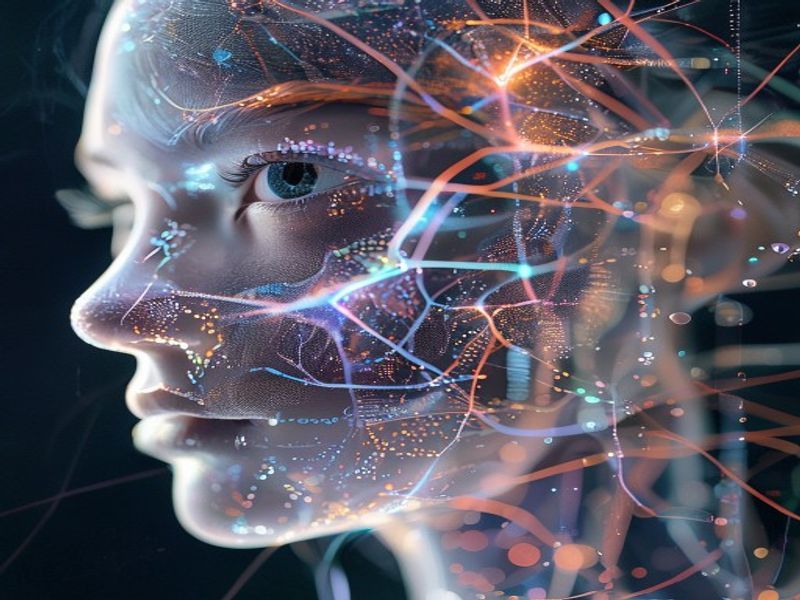
A growing body of scientific evidence suggests that the long-held belief in universal, one-size-fits-all strategies for dementia prevention is fundamentally flawed, pushing the medical community towards highly individualized interventions. This paradigm shift, highlighted in recent studies, emphasizes that effective prevention must account for the unique genetic, lifestyle, and biological profiles of each individual.
For decades, public health campaigns often promoted broad recommendations for brain health, such as general diet and exercise guidelines, alongside cognitive engagement. While these measures offer some benefit, researchers now understand that the multifactorial nature of dementia — influenced by genetics, environment, varying comorbidities, and diverse biological pathways — means that a blanket approach simply cannot address the disease's intricate origins. What works for one person might be ineffective or less impactful for another, depending on their specific risk factors and physiological responses.
This evolving understanding is accelerating the integration of precision medicine principles into neurological health. Leveraging advancements in genomics, advanced biomarkers, and sophisticated data analytics, including machine learning and artificial intelligence, scientists are increasingly able to identify and stratify individual risk profiles with unprecedented accuracy. This enables the development of tailored prevention plans that could include highly specific dietary recommendations, personalized exercise regimens, targeted pharmacological interventions, and bespoke cognitive training protocols. Such personalized approaches hold the promise of significantly boosting the efficacy of preventive measures against various forms of dementia.
The transition to personalized dementia prevention represents a critical frontier in healthcare, moving beyond broad strokes to microscopic precision. It demands closer collaboration between clinicians, researchers, and technology developers to harness the power of individual data for collective health improvement, ultimately offering a more hopeful and effective path forward in the global fight against cognitive decline.





Comments