
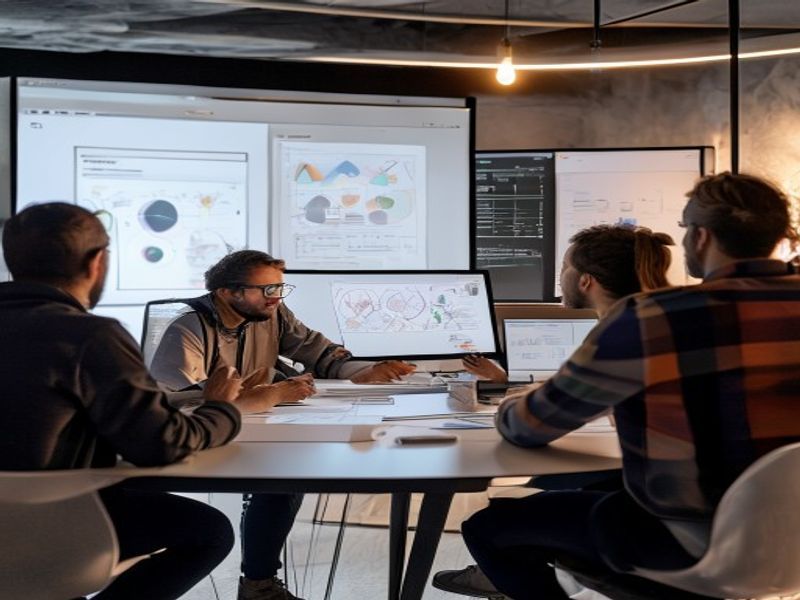
Artificial intelligence is fundamentally reshaping how products are conceived and built, shifting the primary limitation from technological hurdles to human imagination and adaptability. As automation and predictive capabilities become commonplace, the focus for innovation now squarely lands on human creativity, ethical oversight, and the ability to define truly impactful problems for AI to solve.
For years, technological constraints dictated the pace and scope of product development. Engineering challenges, processing power, and data handling were often the bottlenecks. Today, however, AI tools can rapidly prototype, analyze vast datasets, and even generate preliminary designs with unprecedented speed. This acceleration means that the 'how' of building is becoming increasingly efficient, pushing the spotlight onto the 'what' and 'why' – questions inherently rooted in human insight and strategic vision. Companies are finding that their greatest assets are no longer just cutting-edge algorithms, but the skilled individuals who can articulate nuanced user needs, navigate complex ethical landscapes, and envision products that transcend mere technical feasibility.
This evolving landscape demands a significant recalibration of skill sets within product teams. Beyond technical proficiency, there's a growing need for critical thinking, ethical reasoning, and a deep understanding of human psychology. Designers and developers must now collaborate not just with each other, but also with sophisticated AI systems, guiding them towards outputs that are not only functional but also responsible, equitable, and genuinely user-centric. The next wave of innovation won't just come from smarter AI, but from smarter human-AI collaboration that leverages technology to amplify human ingenuity rather than replace it. Organizations that prioritize fostering these human capabilities alongside their AI investments will be best positioned to lead in this new era of product creation.





Comments