
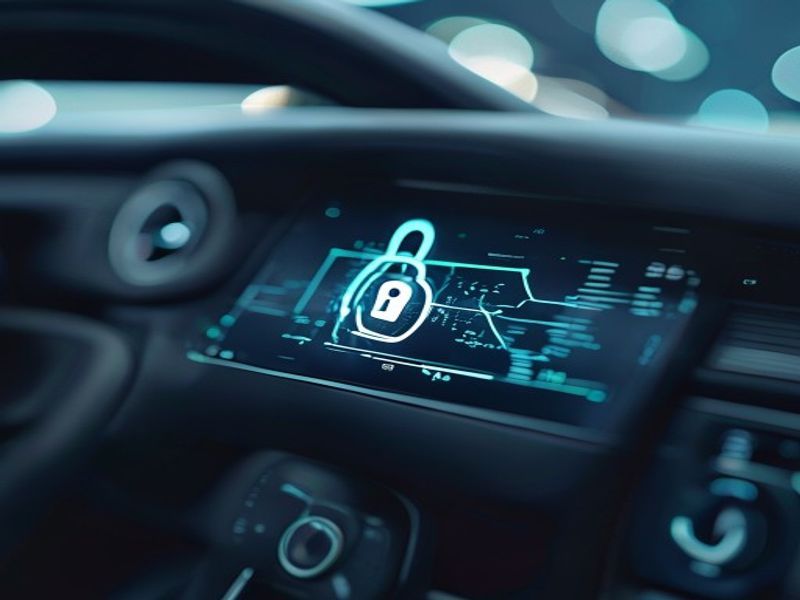
The increasing reliance on over-the-air (OTA) software updates in modern vehicles is raising red flags among cybersecurity analysts, who warn of significant vulnerabilities that could be exploited by malicious actors. What was once heralded as a seamless way to deliver new features and crucial bug fixes is now viewed as a potential gateway for sophisticated cyberattacks, prompting a reevaluation of security protocols across the automotive industry.
Automakers have rapidly embraced OTA technology, mimicking the smartphone model to enhance vehicle functionality and maintain competitive edge. These updates range from minor infotainment tweaks to critical engine management and autonomous driving system patches. While undeniably convenient for both manufacturers and owners, eliminating costly dealership visits, this widespread adoption has also created a larger attack surface. Analysts have highlighted that the complex software supply chains and varied hardware integrations across different vehicle models multiply the points of potential compromise, making unified security challenging.
The concerns extend beyond mere convenience. A successful exploit of a vehicle's OTA system could lead to a range of severe consequences: from remote hijacking of vehicle controls, data theft impacting driver privacy, to widespread shutdowns affecting thousands of cars simultaneously if a core vulnerability is discovered and exploited. Such scenarios are not theoretical; researchers have repeatedly demonstrated the potential for remote access and manipulation of critical vehicle systems through various entry points, including insufficiently secured network connections used for updates.
Industry stakeholders are now grappling with the dual challenge of innovation and robust security. Manufacturers are under pressure to implement more stringent encryption, secure boot processes, and multi-factor authentication for OTA deployments. The move towards standardized security frameworks and more rigorous penetration testing is becoming paramount. For consumers, understanding the security features of their connected vehicles and promptly applying official updates from trusted sources is an increasingly vital aspect of digital safety.
As cars evolve into sophisticated, network-connected computers on wheels, the cybersecurity posture of these vehicles will remain a critical metric for both industry trust and public safety. The road ahead demands continuous vigilance and collaboration between automakers, software developers, and cybersecurity experts to fortify the digital integrity of our increasingly smart transportation.





Comments