
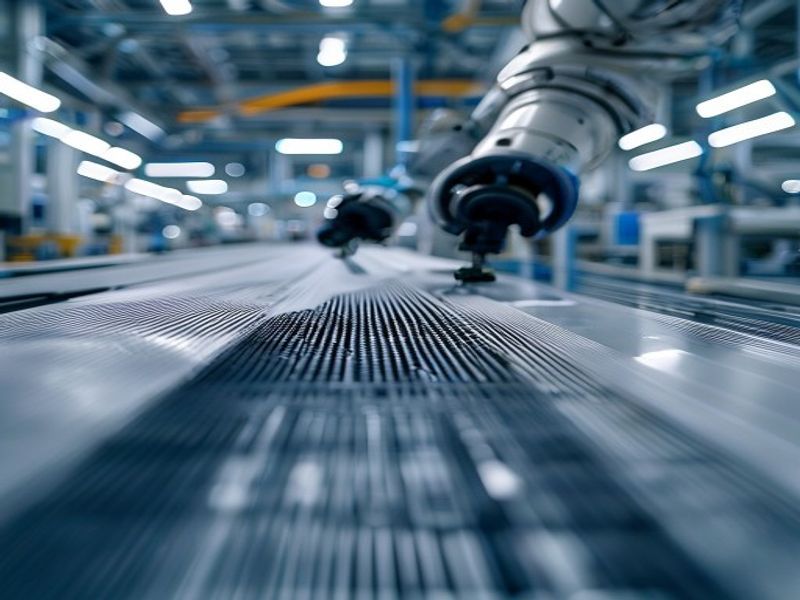
GKN Aerospace has launched a significant new initiative, the ASPIRE program, aimed at pushing the boundaries of composite wing manufacturing for future aircraft. The program zeroes in on developing and integrating cutting-edge technologies to produce lighter, more durable, and ultimately more fuel-efficient wings, a critical step toward more sustainable aviation.
The aerospace industry's pivot towards advanced composites has accelerated in recent years, driven by the imperative to reduce aircraft weight and operational costs while improving performance. Traditional metal structures are increasingly being replaced by sophisticated composite materials like carbon fiber, which offer superior strength-to-weight ratios. However, manufacturing these complex composite structures at scale, with the precision and cost-effectiveness required, presents its own set of challenges, particularly as aircraft designs become more intricate.
ASPIRE directly addresses these hurdles by exploring new automated processes, material application techniques, and digital twin integration to streamline the production lifecycle. The focus includes advanced automation, non-destructive testing, and predictive analytics to ensure quality and accelerate development cycles. By refining these manufacturing methodologies, GKN Aerospace seeks to not only reduce production times and waste but also to unlock new design possibilities for future aircraft, from commercial airliners to potentially new classes of electric or hydrogen-powered flight vehicles. This strategic investment underscores a long-term vision for the evolution of aerospace engineering, positioning composites at the heart of the next generation of air travel.
The implications of such advancements extend beyond just the factory floor. Lighter aircraft consume less fuel, directly contributing to lower carbon emissions and operational expenses for airlines. This program is expected to yield innovations that could shape the design and construction of aircraft for decades to come, fostering a more environmentally conscious and economically viable future for the global aviation sector.





Comments