
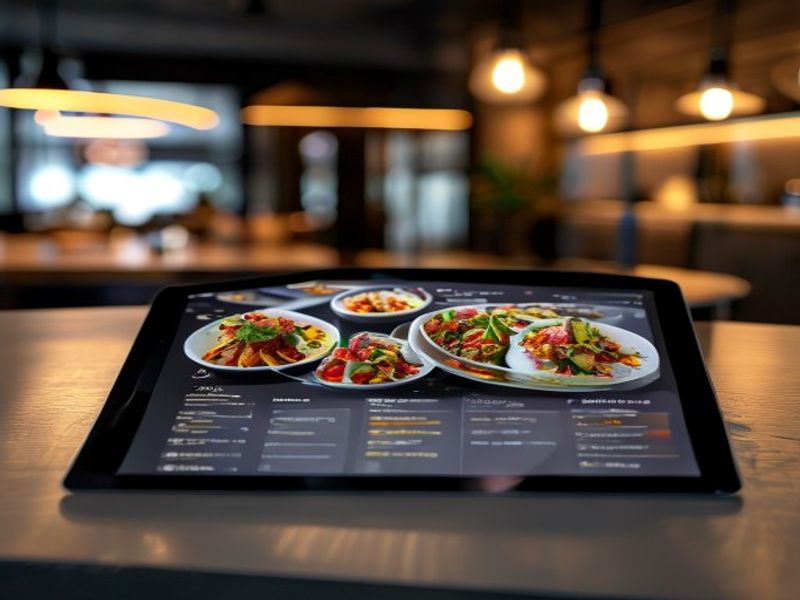
The restaurant industry, facing ever-tightening margins and dynamic consumer expectations, is actively re-evaluating its digital infrastructure, particularly online ordering and menu management systems. Many establishments are looking beyond widely adopted platforms like GloriaFood, seeking more tailored and sophisticated alternatives to streamline operations and enhance the customer experience.
Online ordering capabilities have become non-negotiable for modern eateries, from local bistros to expansive chains. While platforms like GloriaFood offer accessible entry points into this digital realm, their standardized feature sets can often limit customization, integration possibilities, or specific scalability needs as businesses grow. This has spurred a significant market shift, with a diverse ecosystem of software providers stepping in to offer specialized solutions that cater to unique operational demands, complex menu configurations, and deeper integration with existing point-of-sale (POS) systems.
Businesses evaluating these alternatives are prioritizing a range of functionalities. Key considerations include robust customization for branding and menu presentation, advanced order management tools that can handle high volumes, seamless integration with third-party delivery services and in-house logistics, and sophisticated customer relationship management (CRM) features. Pricing models, support quality, and the ability to integrate with inventory management and analytics dashboards also play a crucial role in decision-making, moving beyond basic transaction processing to comprehensive operational oversight.
The future of restaurant technology points towards even greater personalization and efficiency. As AI and machine learning capabilities mature, next-generation ordering platforms are expected to offer predictive analytics for inventory, personalized menu recommendations, and highly efficient delivery routing. For restaurant owners, choosing the right digital partner is no longer just about taking orders online; it’s a strategic investment in agility, customer loyalty, and long-term growth in an increasingly digital-first dining landscape. The current wave of exploration signifies a mature market seeking tools that truly fit their evolving business models.





Comments