
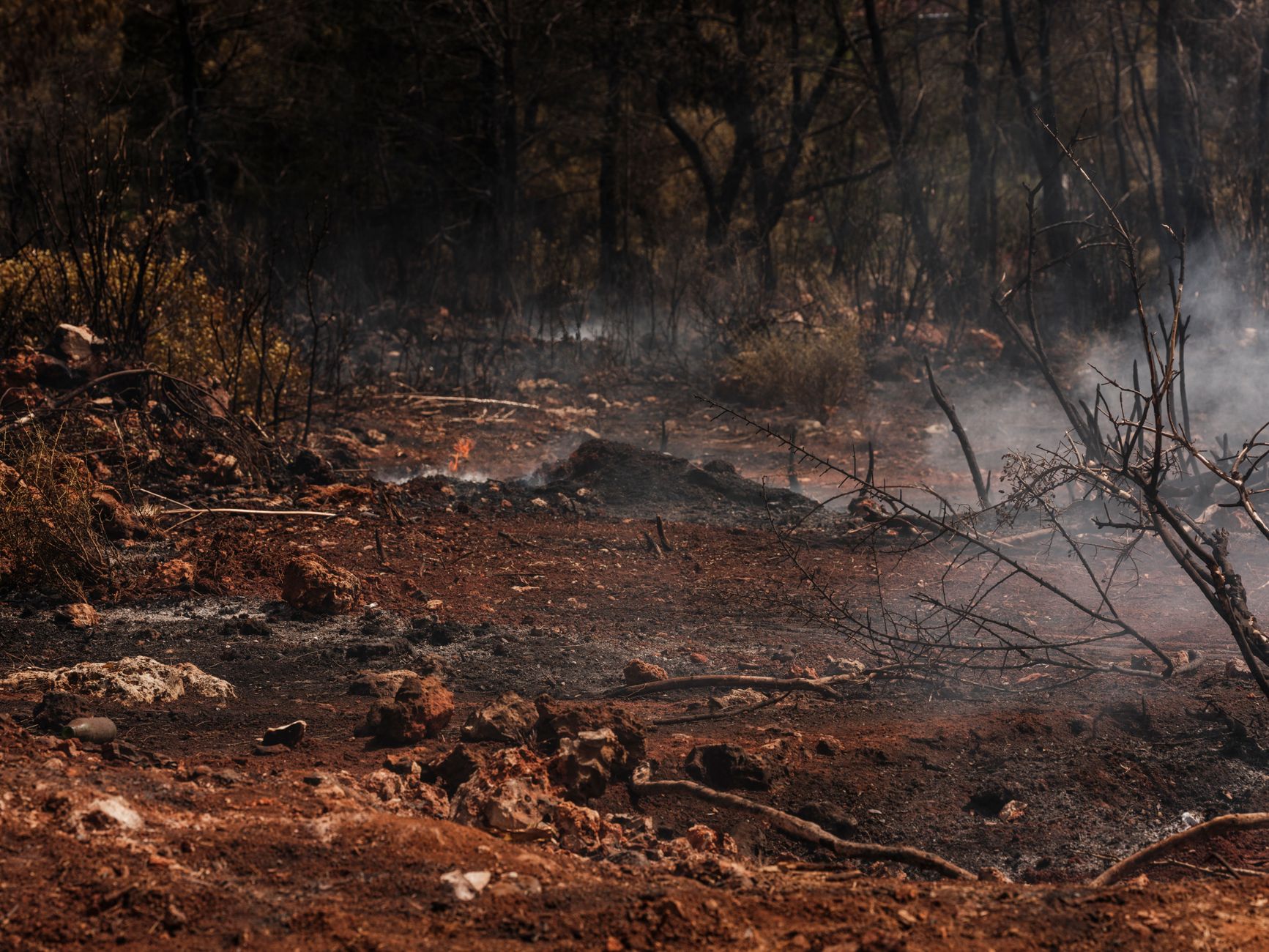
When a lightning strike or discarded cigarette threatens a dry timberland, every minute counts. Traditional lookout towers and satellite monitoring often leave a dangerous window of hours before smoke is spotted and reported. Now, environmental agencies and tech firms are deploying neural networks trained on historical thermal imagery and live camera feeds to slash that detection gap down to mere seconds.
The underlying infrastructure relies on edge computing devices mounted to cellular towers and existing fire lookouts. These units process high-resolution video streams locally, filtering out false positives like fog or industrial dust while flagging abnormal thermal signatures. By pushing computation to the edge rather than waiting to pipe massive video files back to a central cloud server, the systems notify local emergency dispatchers almost instantly.
Scaling these deployments across millions of acres of national forest remains a formidable challenge, particularly regarding power supply and high-speed network connectivity in remote terrain. Yet early pilot programs in high-risk zones have already demonstrated notable success in containing small spot fires before they escalate into catastrophic emergencies. As climate conditions continue to exacerbate seasonal fire risks, machine learning is quickly becoming a critical line of defense for vulnerable communities worldwide.





Comments