
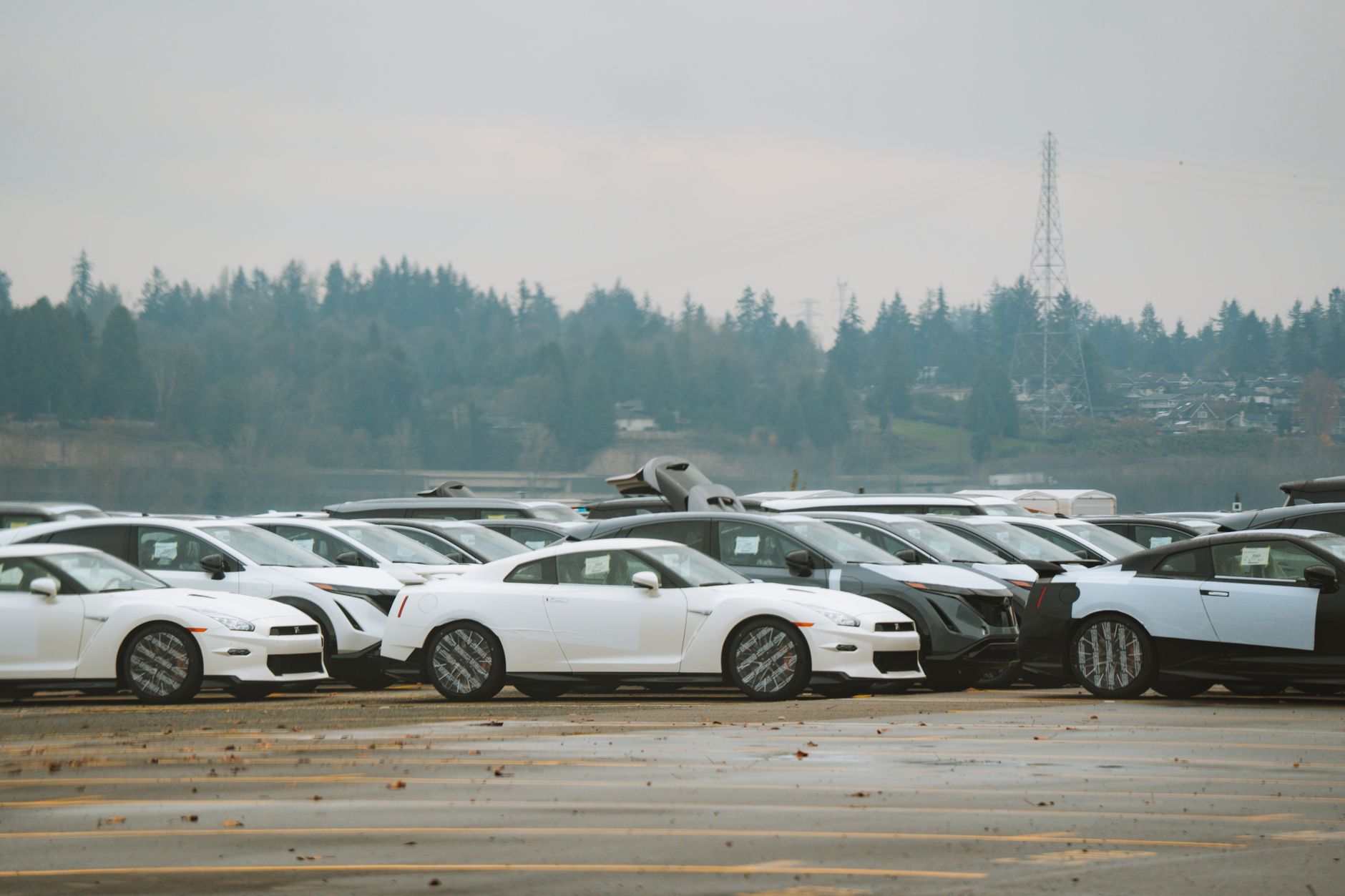
Artificial intelligence is quietly rewriting the operational playbook for automotive remarketing. Traditional vehicle auctions once relied heavily on physical presence and localized pricing intuition. Today, machine learning models ingest massive streams of historical transaction data, inspection reports, and regional demand signals to accurately price used inventory long before it hits a digital block. This shift moves the industry from a reliance on gut instinct to predictive, data-driven precision. Remarketing firms now deploy algorithmic pricing tools that adjust valuations dynamically, reflecting real-time market shifts with remarkable accuracy.
Beyond pricing adjustments, modern technology is fundamentally dissolving historical geographic borders within the auction ecosystem. Digital platforms powered by sophisticated cloud infrastructure allow buyers and sellers to transact across international markets without friction. High-resolution computer vision and automated condition-grading systems ensure that a vehicle's wear and tear is cataloged consistently, building the necessary trust for remote cross-border bidding. Physical distance no longer limits inventory liquidity, creating a truly global marketplace where a dealer in one country can seamlessly acquire and remarket assets halfway across the world.
Looking ahead, the convergence of advanced analytics and automated workflows points toward a fully integrated remarketing pipeline. Logistics, reconditioning estimates, and targeted buyer matching will increasingly run on autopilot, drastically reducing days-to-sale metrics. Industry operators who fail to adopt these machine learning frameworks risk losing margin to leaner, tech-forward competitors. As software continues to absorb routine administrative hurdles, human professionals will shift focus toward high-level strategy and relationship management, marking a permanent maturation of the automotive remarketing sector.





Comments