
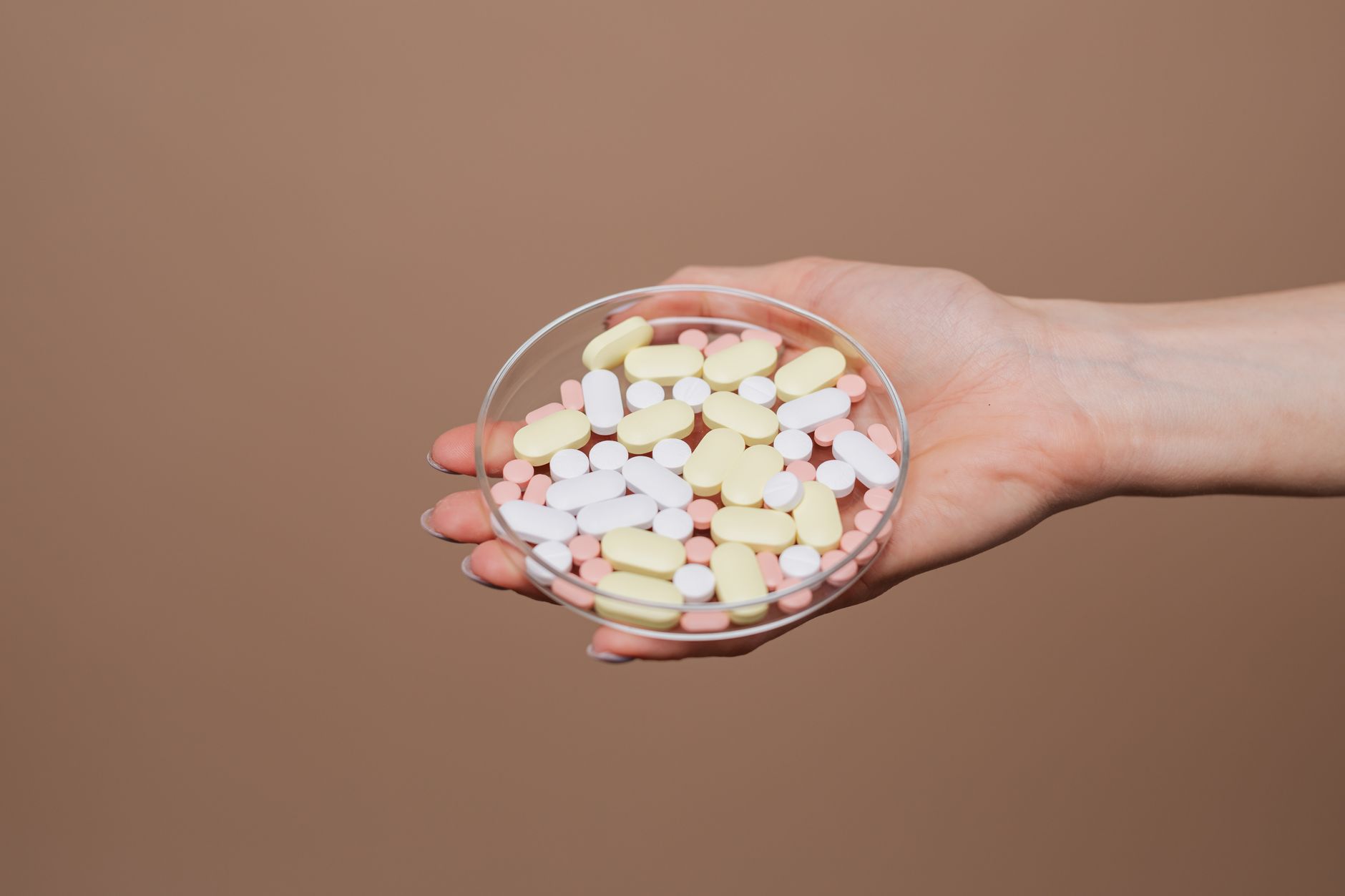
A manufacturing method traditionally used to build plastic prototypes and aerospace components is finding its way into the pharmaceutical industry. Scientists are leveraging concepts from additive manufacturing to fabricate pills with precise dosages, altering the standard mass-production model that has dominated medicine for a century. Instead of swallowing a generic 500-milligram tablet, patients could soon receive prescriptions printed specifically for their body mass, metabolic rate, and unique health profile.
The underlying approach adapts multi-material deposition hardware to handle active pharmaceutical ingredients combined with safe, ingestible polymers. By adjusting the digital blueprint of a pill, technicians can control how rapidly or slowly the medication dissolves in the digestive tract. This capability proves especially critical for vulnerable populations like pediatric and geriatric patients, who often require fractional dosages that are difficult to achieve by splitting conventional pills.
Regulatory bodies are taking notice as clinical trials begin testing the stability and safety of printed drugs in controlled pharmacy settings. While widespread clinical adoption faces hurdles regarding quality control and machine standardization at scale, early hospital pilots show immense promise. The shift toward digital pharmacology suggests a future where local pharmacies might soon print custom combinations of multiple daily medications into a single, cohesive daily dose.





Comments