
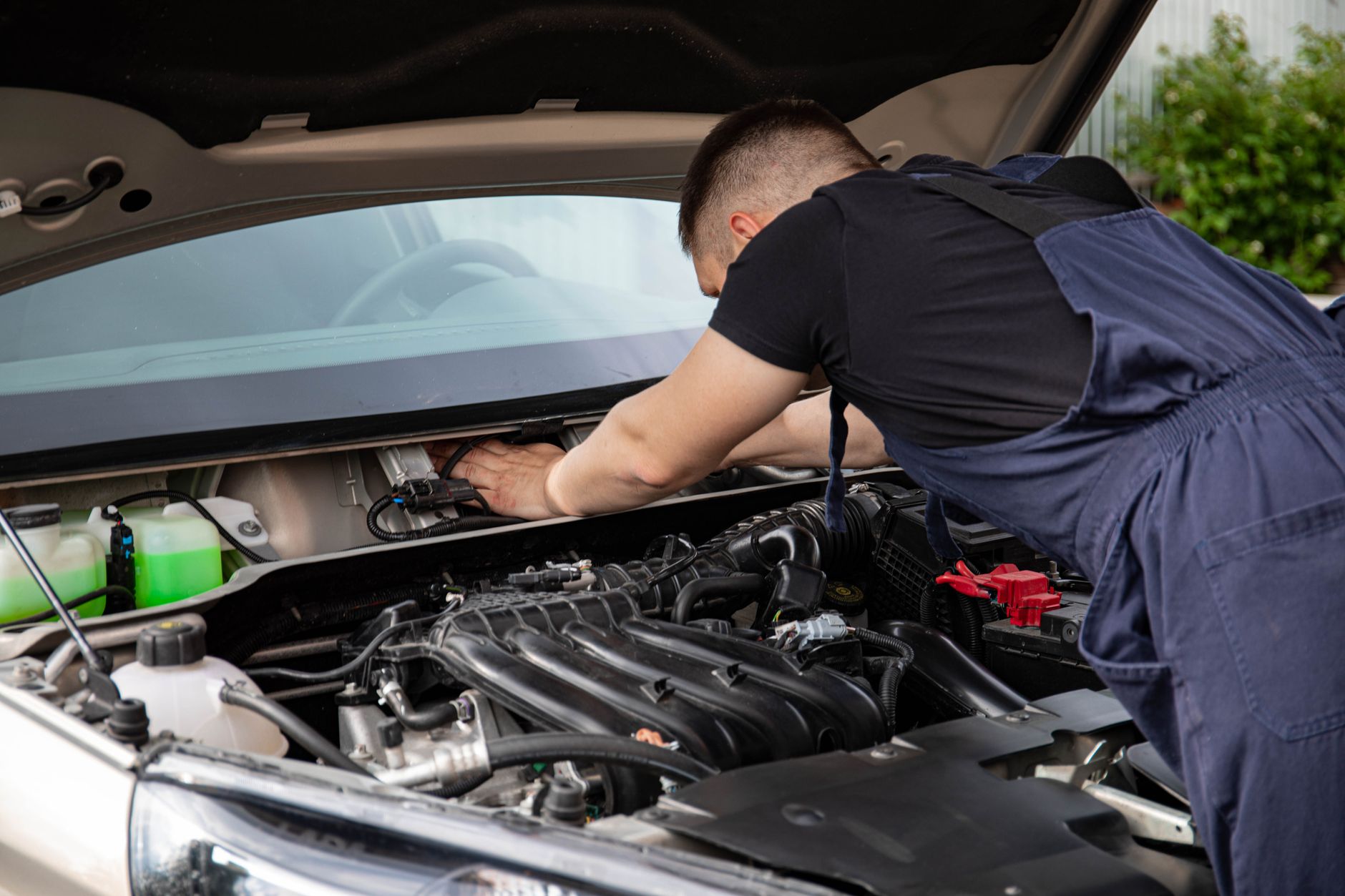
Traditional auto shop classes have long since evolved past greasy wrenches and basic carburetor rebuilds. Today's students in specialized vocational tracks are diving headfirst into complex vehicle electronics, hybrid powertrains, and advanced onboard diagnostics. Programs across the country are redesigning their curriculums to match the rapid technological shift happening in the automotive sector.
Industry demand has driven this transformation. Modern automobiles operate essentially as computers on wheels, requiring technicians who are equally comfortable reading wiring schematics and interpreting live sensor data from digital control units. Educators note that student engagement spikes when they get to work with state-of-the-art diagnostic equipment and electric vehicle components, bridging the gap between high school instruction and modern workforce needs.
Looking ahead, local technical programs plan to expand partnerships with regional dealerships and independent service centers. These collaborations often translate directly into apprenticeships and immediate job placement for graduates who possess the right technical skill set. As vehicle software continues to outpace hardware changes, equipping young learners with advanced diagnostic capabilities remains essential for the health of the broader automotive industry.





Comments