
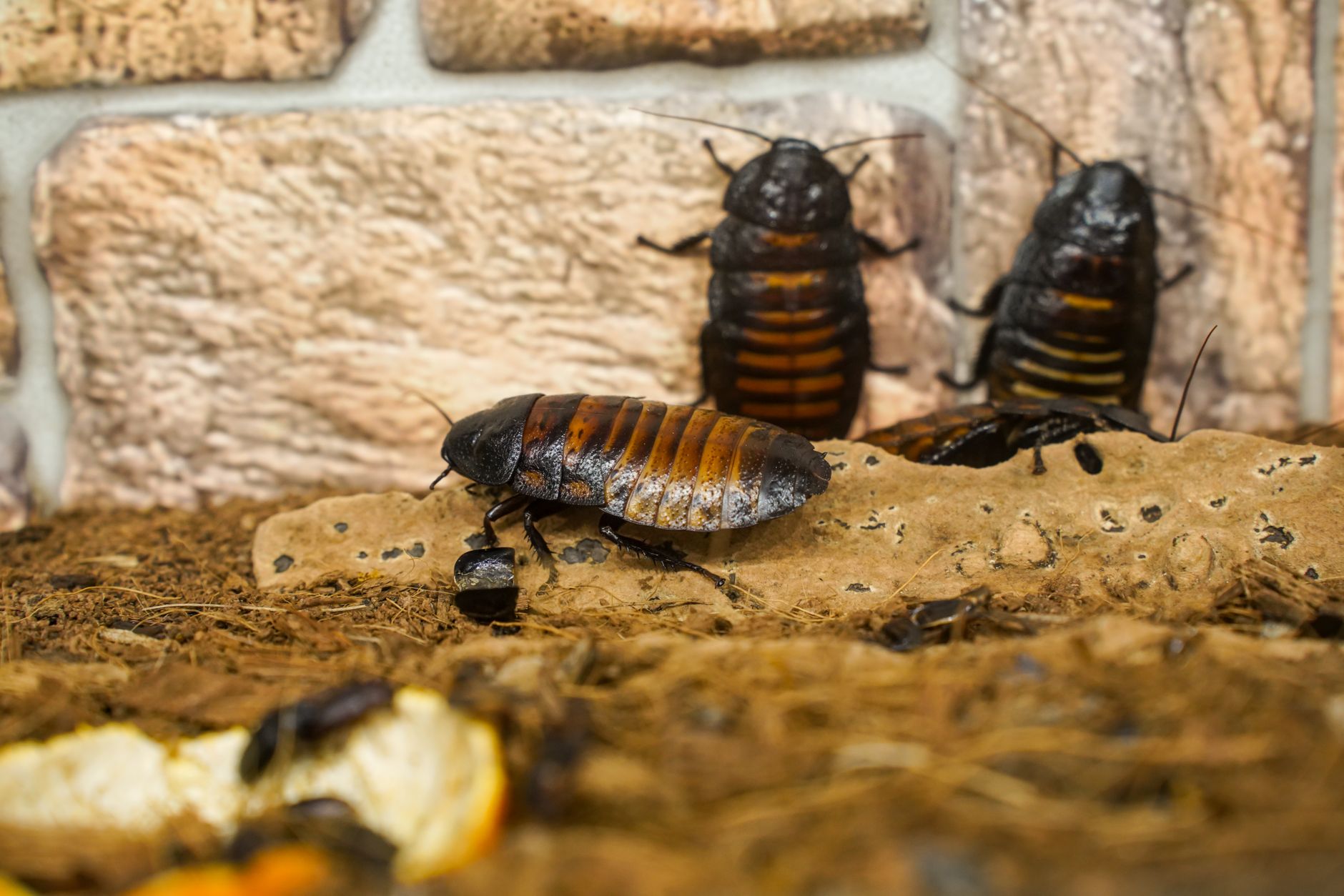
Emergency responders often face perilous environments during natural disasters, struggling to reach survivors trapped beneath unstable concrete and dense rubble. Enter a rather unlikely candidate for urban search and rescue operations: the Madagascar hissing cockroach. Engineers have developed lightweight electronic modules that strap onto the backs of these resilient insects, transforming them into remote-controlled cyborgs capable of accessing tight spaces that traditional robots and human teams simply cannot reach.
The technology relies on micro-stimulators attached to the insect's antennae and cerci, which are sensory organs located at the rear. By sending tiny electrical impulses to these nerves, operators can steer the cockroaches left, right, or prompt them to halt. Researchers select the Madagascar hissing species specifically due to its impressive size, docile temperament, and the fact that it cannot fly, ensuring the biological unit stays grounded and manageable during a mission. Furthermore, these cyborg critters can be fitted with tiny thermal cameras and carbon dioxide sensors to detect signs of human life buried deep within collapsed structures.
While the concept sounds straight out of a science fiction novel, practical implementation still faces hurdles. Battery life for the onboard electronics remains limited, and ensuring precise navigation over uneven, shifting debris requires sophisticated control algorithms. However, field tests indicate that insect-machine hybrids offer vastly superior energy efficiency compared to battery-powered micro-robots of a similar scale. As developers refine the hardware, disaster response agencies are beginning to look seriously at biological solutions for the next generation of search and rescue missions.





Comments