
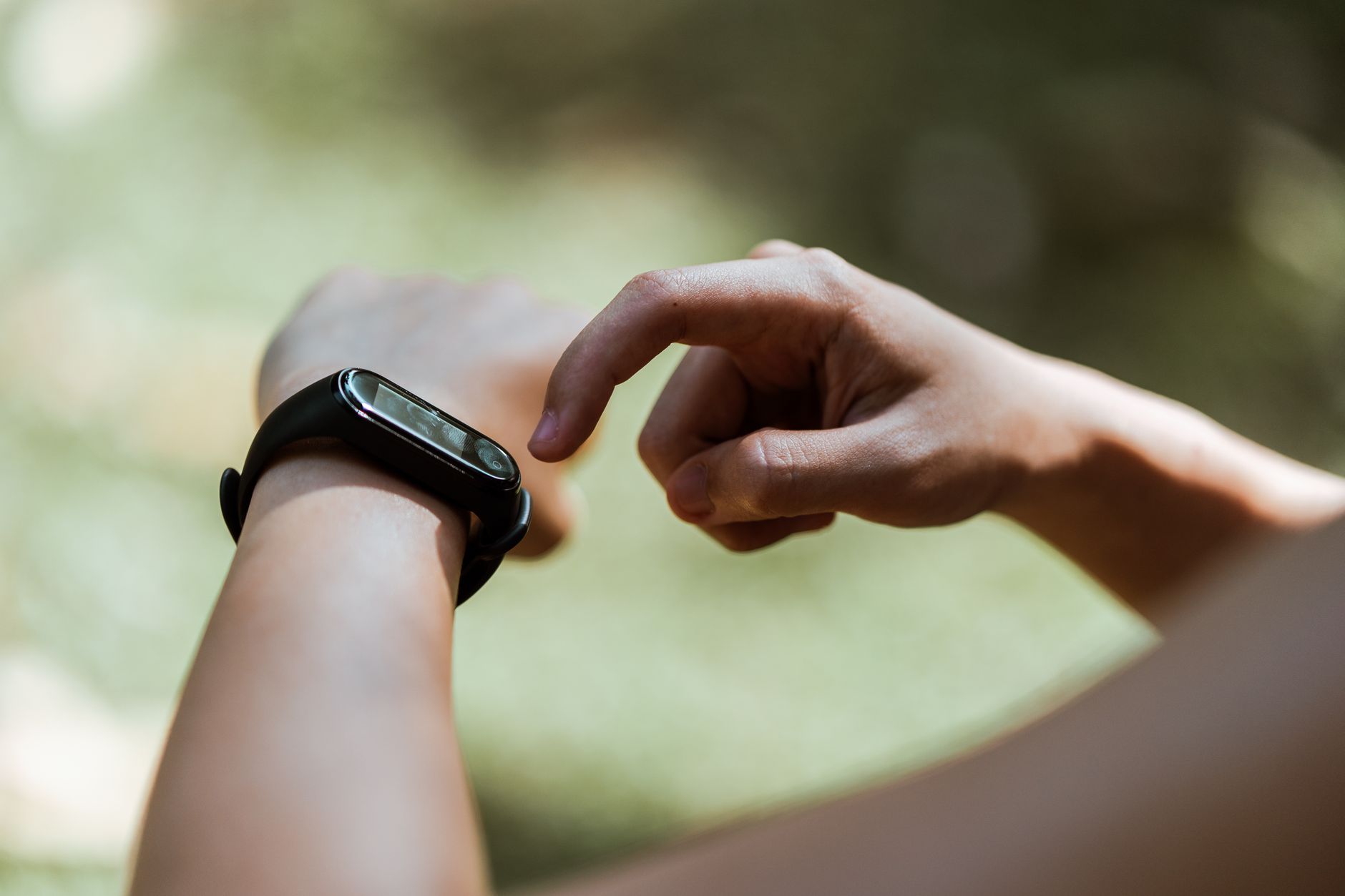
Consumer hardware has long been obsessed with the mechanical metrics of movement. Counting steps, tracking sleep stages, and logging calories defined the first decade of the wearable technology boom. Yet a subtle pivot is underway across research labs and hardware startups. Instead of merely observing physiological data, newer devices actively intervene by targeting the autonomic nervous system to mitigate stress and accelerate physical recovery.
This emerging hardware category utilizes targeted sensory inputs, including micro-vibrations, thermal shifts, and localized electrical stimulation, to influence the vagus nerve and balance sympathetic and parasympathetic responses. Rather than waiting for a user to notice elevated anxiety or fatigue, these systems monitor real-time biometric markers like heart rate variability and deliver immediate tactile feedback designed to calm the central nervous system. Early clinical pilots and user trials suggest measurable drops in cortisol levels and improvements in cognitive focus during high-stress tasks.
Integrating active neural modulation into everyday accessories creates distinct engineering and regulatory hurdles. Battery constraints tighten when devices must process biometric streams and deliver continuous haptic or electrical outputs. Furthermore, health authorities scrutinize claims regarding mental health and nervous system regulation much more strictly than basic pedometer metrics. Companies operating in this space must balance aggressive consumer feature rollouts with rigorous clinical validation to earn user trust.
As form factors shrink and biometric sensors grow more sensitive, the line between consumer wellness gadgets and therapeutic medical devices will continue to blur. The next generation of smart rings, wristbands, and headpieces will likely act as constant physiological guardians, smoothing out the physical spikes of daily stress before they manifest as chronic fatigue. For the hardware industry, this transition marks a major evolution from passive data collection to active biological partnership.





Comments