
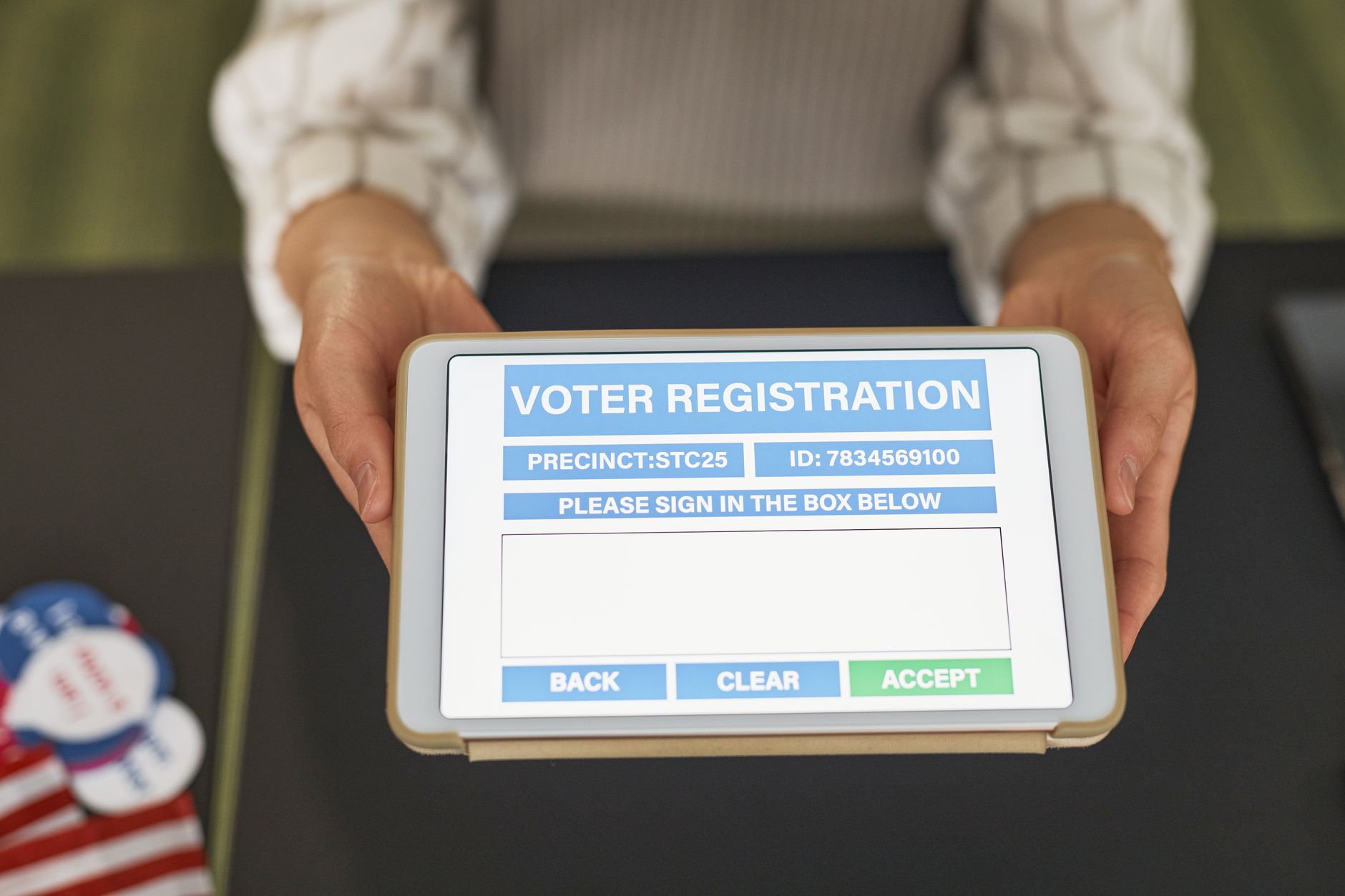
When election administrators begin swapping paper ballots for sleek touchscreen interfaces and online portals, the sales pitch usually centers on convenience and modernization. Yet, trade groups and civil rights organizations are pushing back against the rapid digitization of civic processes. They argue that rushing complex software into polling places frequently creates steep hurdles for elderly residents, low-income communities, and voters with disabilities. The push for modernization risks solving minor administrative headaches while inadvertently locking thousands of eligible citizens out of the democratic process altogether.
Securing an election requires navigating a notoriously brittle landscape of legacy hardware, proprietary software, and strict compliance frameworks. Unlike consumer applications where bugs can be patched via overnight updates, voting technology must balance cryptographic verifiability with foolproof physical accessibility. When a municipality deploys untested electronic voting machines without adequate staff training, lines stretch for hours and error rates climb. Cybersecurity researchers have long pointed out that usability and security pull in opposite directions, making it exceptionally difficult to build a digital ballot box that is both impenetrable to hackers and genuinely intuitive for a novice user.
Finding a sustainable middle ground will require policymakers to slow down procurement cycles and prioritize open-source audits alongside mandatory usability testing. Jurisdictions cannot afford to treat digital infrastructure as a set-it-and-forget-it gadget upgrade. Moving forward, election tech vendors must work directly with community accessibility advocates before writing code, rather than treating inclusion as an afterthought. If democracy is to survive the digital shift, the tools we use to cast ballots must accommodate every voter, not just those comfortable navigating a complex touchscreen.





Comments