
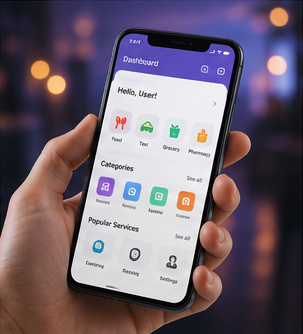
Mobile apps have become a powerful tool for businesses because people spend a large part of their time on smartphones. A well-designed mobile app helps businesses connect directly with customers, provide faster service, improve brand loyalty, and increase sales. From food delivery and fitness to education, healthcare, travel, finance, and e-commerce, mobile apps are transforming every industry.
One of the biggest advantages of a mobile app is convenience. Customers can browse products, book services, make payments, track orders, receive updates, and contact support directly from their phone. Compared to websites, apps can offer a more personalized and smoother user experience.
Mobile apps also help businesses send push notifications. These notifications can be used for offers, reminders, booking updates, payment alerts, new launches, and customer engagement. Apps can also include loyalty points, referral programs, digital wallets, live chat, and personalized recommendations.
For businesses, mobile apps can improve internal operations too. Staff can manage bookings, orders, inventory, reports, attendance, or customer data through app-based systems. This reduces manual work and improves efficiency.
However, a mobile app should be planned properly. It should have a clear purpose, simple navigation, fast performance, secure login, reliable backend, and regular updates. A poor app experience can damage brand trust.
A useful mobile app can become a long-term growth engine for any business by improving customer convenience and strengthening digital presence.





Comments