
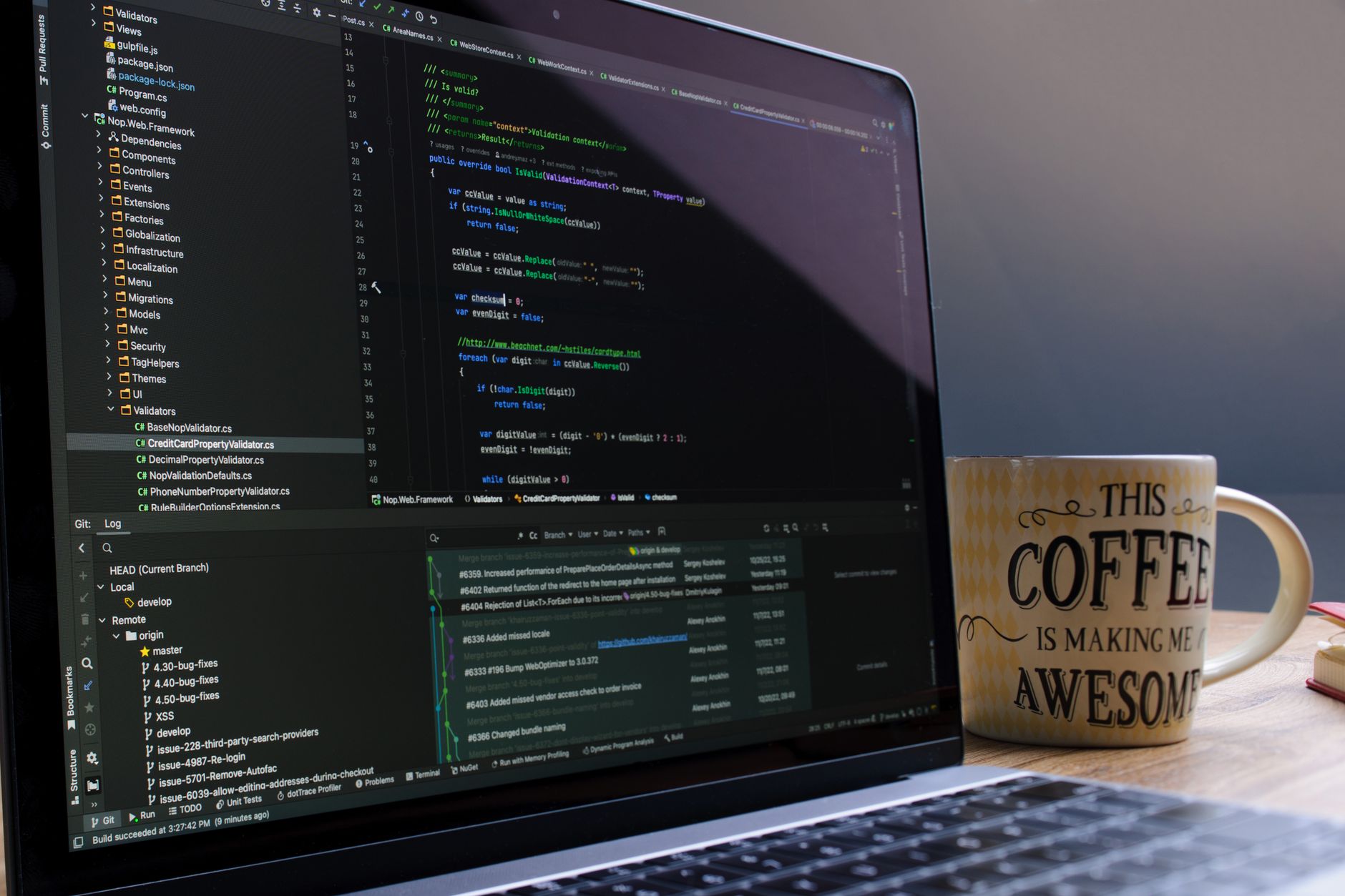
Microsoft Chief Executive Officer Satya Nadella has introduced a sweeping vision for the Windows personal computer, suggesting that local artificial intelligence capabilities allow everyday machines to function as independent software factories. Speaking after a recent Windows and Surface product event, Nadella detailed how natural language prompts can now generate custom applications directly on a desktop without consuming cloud tokens.
The centerpiece of this local software generation is MAI-Code-1.1 Flash, a 137-billion-parameter coding model optimized to execute on high-end hardware. According to Microsoft, this model enables GitHub Copilot to offload coding work to local hardware, helping reduce project expenses while maintaining performance. Alongside these capabilities, the company highlighted hybrid intelligence features that allow Copilot to interact with local files and manage tasks within secure, on-device boundaries known as MXC sandboxes.
Despite the ambitious framing of an unmetered, infinite software factory on every desk, technical realities reveal a more complex picture. Engineering documentation indicates that local inference does not mean sessions operate entirely offline. Instead, automated routing decides task by task whether processing happens locally or in the cloud. Furthermore, running the quantized 53GB model at full context demands significant resources, effectively requiring elite hardware specifications such as top-tier laptop configurations equipped with advanced memory setups.
As these hybrid Copilot features and local code generation tools roll out through early-access programs, enterprise IT leaders must weigh the promise of citizen-built utilities against strict security and governance frameworks. While Microsoft positions desktop AI generation as a fundamental everyday skill comparable to writing a memo, business adoption will likely hinge on navigating hardware prerequisites and managing infrastructure controls.





Comments