
Data analytics is the process of collecting, organizing, analyzing, and understanding data to make better business decisions. Every business generates data through sales, customers, website visits, payments, inventory, marketing campaigns, support tickets, and daily operations. Without analytics, this data remains unused.
With data analytics, businesses can identify trends, understand customer behavior, track performance, reduce costs, and improve planning. For example, a retail store can analyze which products sell the most, which months bring higher revenue, and which customers are most active. A service business can track enquiry sources, conversion rates, response time, and customer satisfaction.
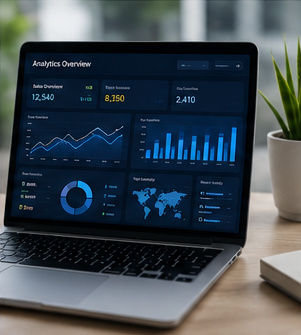
Dashboards are one of the most useful tools in data analytics. They show important numbers visually through charts, graphs, tables, and reports. Tools like Power BI, Excel dashboards, Google Looker Studio, and custom web dashboards help managers understand performance quickly.
Data analytics also helps in forecasting. Businesses can use previous data to estimate future demand, sales, staffing needs, and marketing performance. This helps reduce guesswork and improves decision-making.
However, data must be clean and accurate. Wrong data can lead to wrong decisions. Businesses should maintain proper data entry, validation, and reporting processes.
In today’s competitive market, companies that use data effectively can respond faster, serve customers better, and grow more strategically. Data analytics gives businesses clarity and confidence.





Comments