
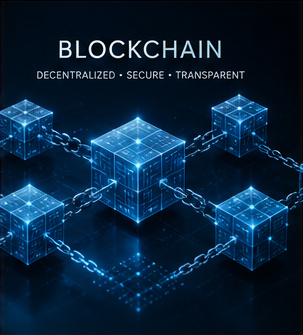
Blockchain is a digital technology used to store information in a secure, transparent, and tamper-resistant way. It is best known for cryptocurrencies, but blockchain can be used in many other areas such as supply chain, finance, identity verification, healthcare, voting systems, contracts, and digital ownership.
In simple words, blockchain is like a digital record book that is shared across many computers. When a new record is added, it becomes part of a block. These blocks are connected in a chain. Once data is recorded properly, it is very difficult to change without detection.
One important feature of blockchain is decentralization. Traditional systems usually depend on one central authority, but blockchain can distribute records across multiple participants. This can improve transparency and reduce dependency on a single system.
Blockchain also supports smart contracts. These are digital agreements that automatically execute when certain conditions are met. For example, a payment can be released automatically after a service is completed.
However, blockchain is not required for every project. It should be used only when transparency, trust, decentralization, or tamper-proof records are important. It can also involve challenges such as scalability, regulation, energy usage, and technical complexity.
Blockchain is still evolving, but it has the potential to change how digital trust, ownership, and transactions work in the future.





Comments