
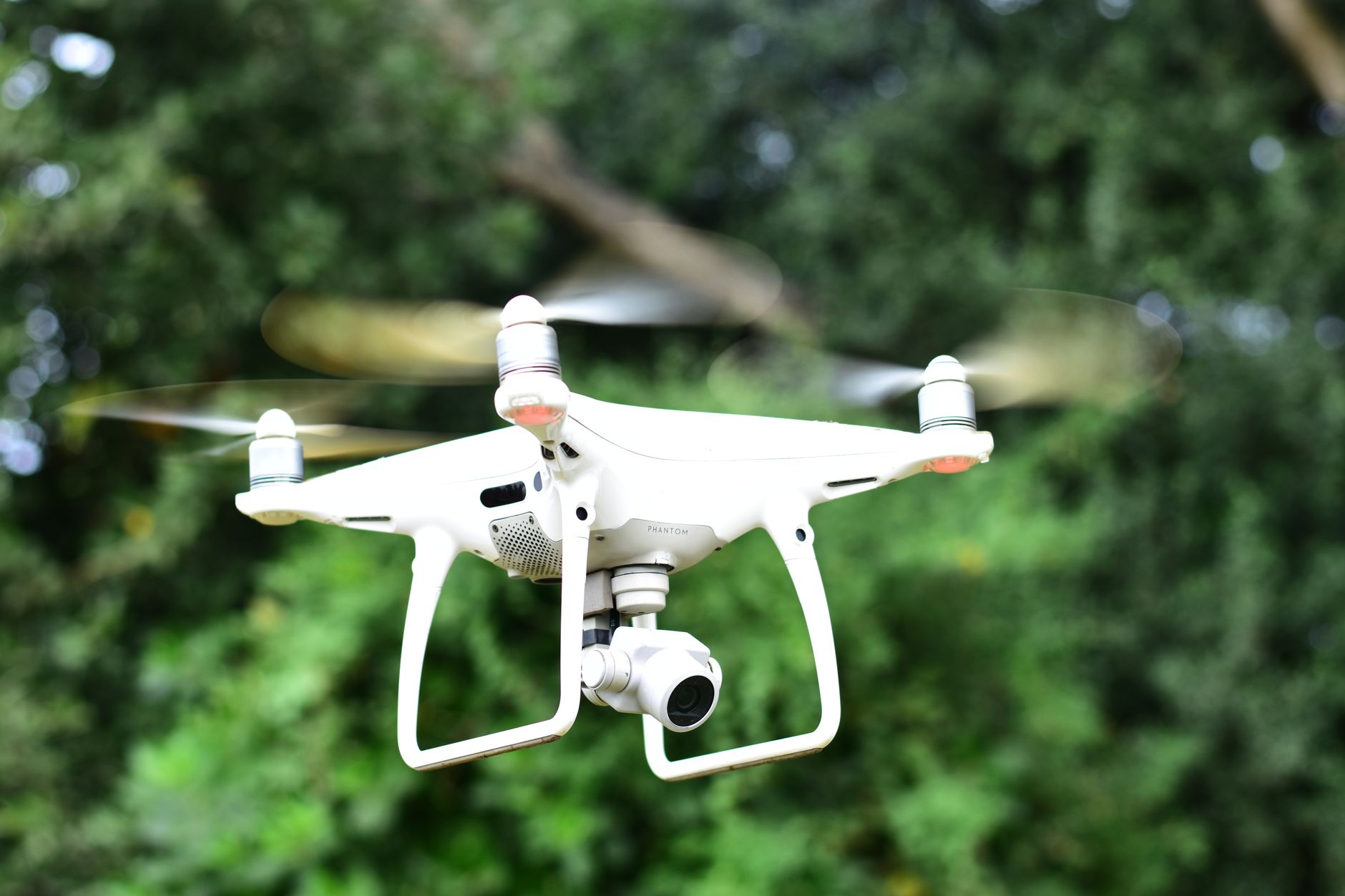
Military operations on the frontline in Eastern Europe rely heavily on autonomous aerial systems, yet a quiet vulnerability looms over the supply chain. Ukrainian forces face mounting hurdles as their drone manufacturing pipelines remain deeply dependent on Chinese-made components, ranging from microcontrollers to optical sensors. Commercial-off-the-shelf hardware, primarily sourced from mainland manufacturers, forms the backbone of tactical reconnaissance and strike fleets deployed by both sides of the conflict.
Hardware dependency creates significant operational risks, including potential telemetry tracking, remote kill switches, and sudden export restrictions imposed by Beijing. Major manufacturers like DJI have previously faced scrutiny over data security and geofencing capabilities that could inadvertently expose troop movements or restrict operational zones. Consequently, domestic defense startups in Kyiv are racing to engineer proprietary flight controllers and secure communication modules that bypass foreign choke points entirely.
Defense experts argue this situation exposes a wider blind spot in modern asymmetric warfare, where low-cost commercial technology underpins advanced military tactics. As global supply chains tighten, the push for sovereign drone manufacturing accelerates. Building resilient military hardware without relying on adversary-controlled components will ultimately dictate how quickly nations can adapt their defense postures to 21st-century threats.





Comments