
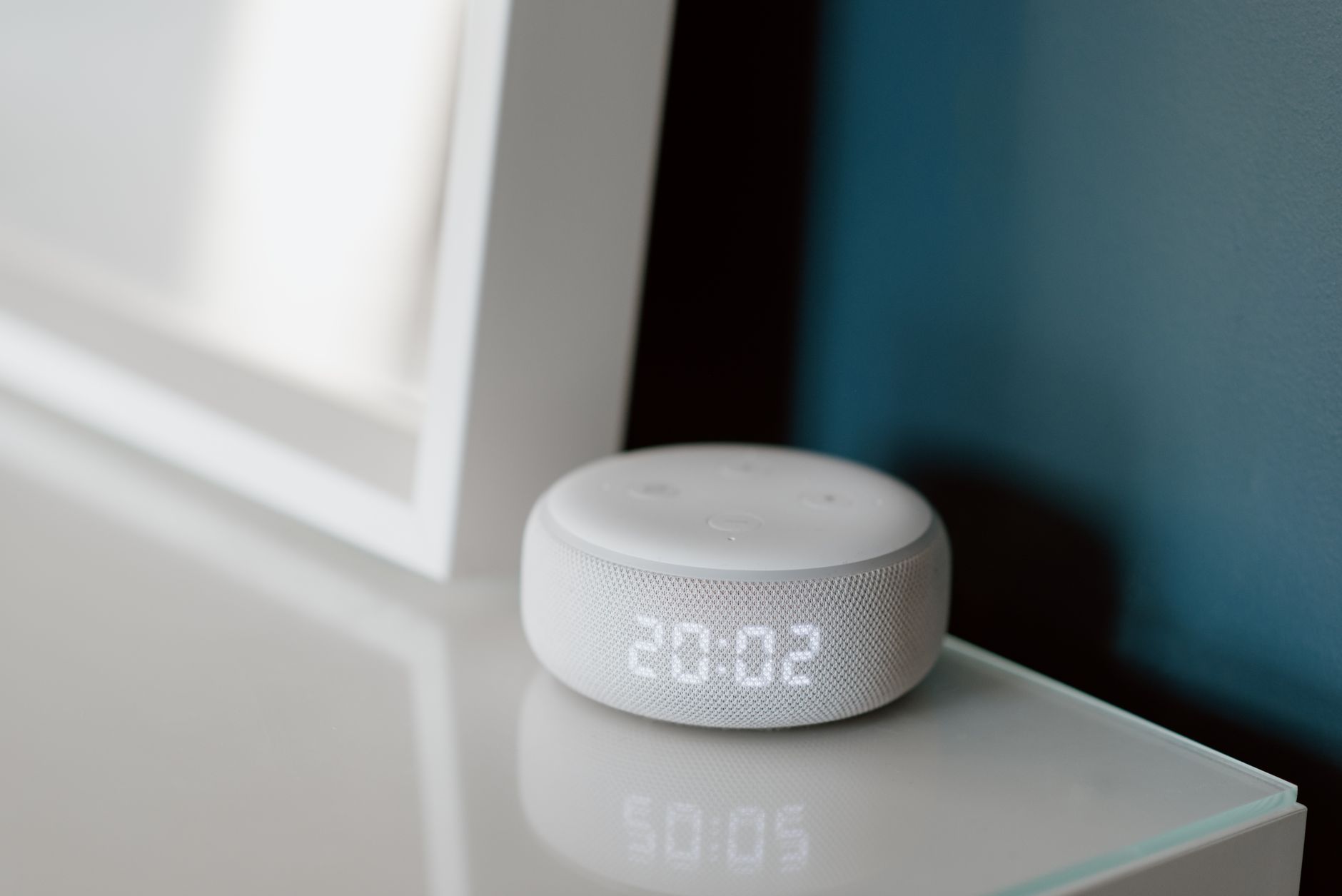
Google is rolling out a significant firmware update for its older lineup of smart speakers, giving new life to hardware that many users assumed had reached the end of its active lifecycle. Devices spotted in testing for this new patch include the original Google Home, the compact Home Mini, the second-generation Nest Mini, and the larger Nest Audio. While major software refreshes for first-generation hardware are increasingly rare in the fast-moving smart home sector, this move signals a shift toward prolonged device support and reliability.
Details regarding the exact feature set remain sparse as the tech giant pushes the software out through its preview and early-access channels. Owners of these legacy devices should not expect a sudden influx of cutting-edge conversational artificial intelligence features or radical interface overhauls. Instead, engineers appear focused on under-the-hood optimizations, addressing persistent connectivity drops, improving multi-room audio synchronization, and patching long-standing bugs that have accumulated over years of continuous operation.
The longevity of smart home ecosystems depends heavily on how companies handle devices already sitting in living rooms and kitchens. Consumers have increasingly pushed back against planned obsolescence, demanding that hardware purchased years ago continues to function seamlessly with modern routers and streaming services. By keeping older silicon relevant, Google mitigates e-waste concerns while protecting its footprint in households that have resisted upgrading to newer displays or voice assistants.
Rollouts of this scale typically happen in stages to catch unforeseen regressions before a wider release to the general public. Users enrolled in preview programs will likely report on performance metrics over the coming days, shedding light on whether the new firmware delivers noticeable speed improvements. For now, millions of older Nest and Home speakers across the globe are getting a quiet lease on life.





Comments