
Advanced robotics engineering is finally delivering on its long-standing promise to improve daily living for individuals with physical disabilities. Engineers and medical researchers have rolled out sophisticated wearable robotic limbs and smart home automation systems that interpret minimal muscle signals or eye movements. These platforms allow users to navigate environments, prepare meals, and manage household tasks without constant personal assistance. The shift moves assistive tech from static wheelchairs and ramps to dynamic, responsive machines capable of adapting to individual human intent in real time.
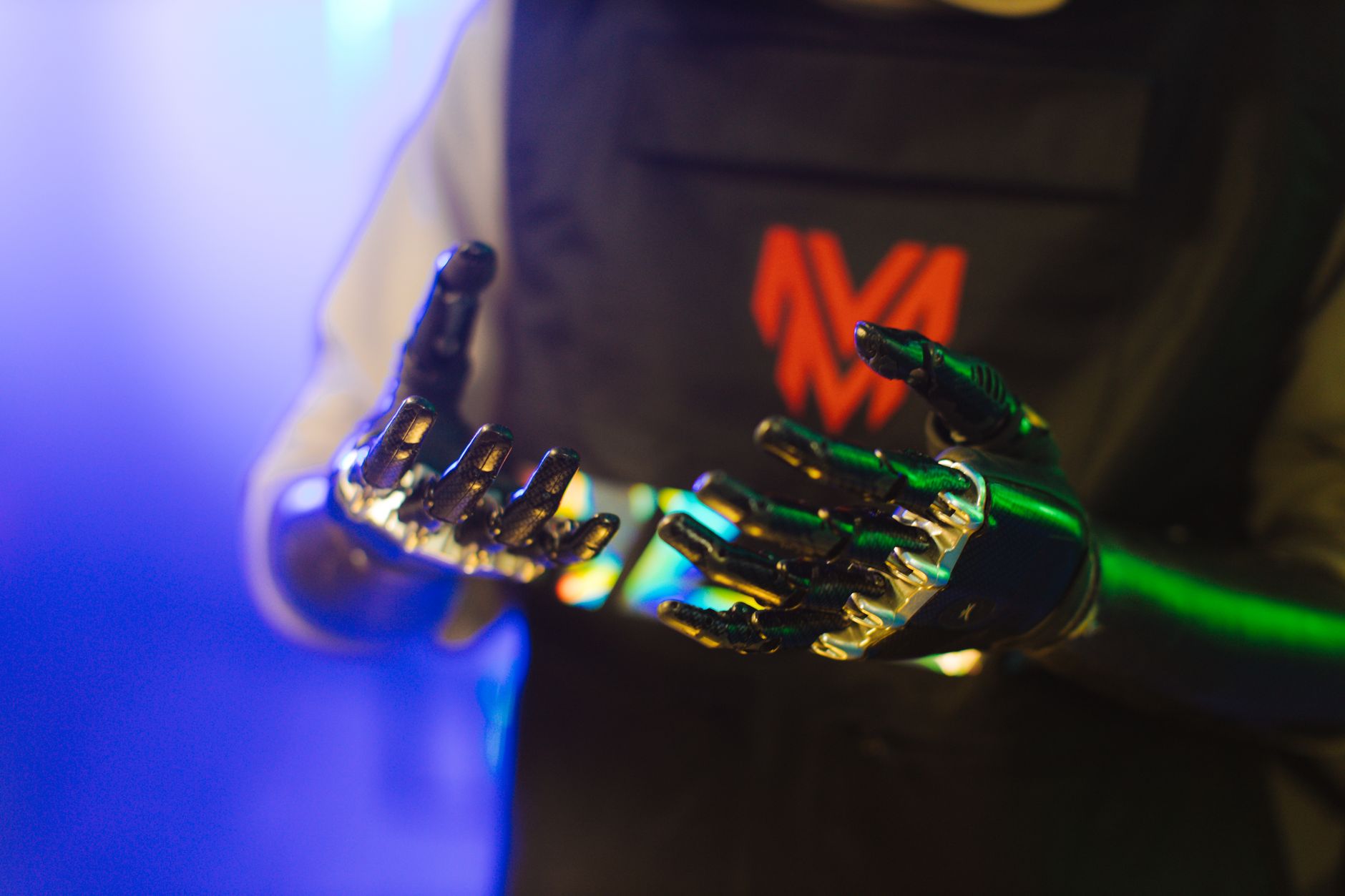
The core challenge behind these deployments has always been balancing mechanical power with intuitive human-machine interfaces. Traditional prosthetics and robotic braces often required exhausting physical effort or tedious calibration routines just to perform basic tasks. Modern iterations leverage lightweight carbon-fiber frames coupled with localized neural sensors. By interpreting residual muscle electrical activity or minor physical shifts, the onboard computing modules predict the user's intended movement milliseconds before execution, creating a fluid and natural partnership between human and machine.
Beyond individual mobility, these technologies hold significant economic and societal implications for healthcare systems. Independent living reduces the physical and emotional strain on family caregivers while lowering the long-term cost of institutional support. Hospitals and rehabilitation centers are already integrating these robotic systems into early-stage physical therapy, accelerating recovery times for patients with spinal cord injuries and degenerative muscle conditions.
Scaling commercial adoption remains the next major hurdle for developers navigating strict medical device regulations and high manufacturing costs. Insurers have been slow to cover advanced consumer robotics, categorizing them as experimental rather than essential equipment. Yet, as component costs drop and software intelligence improves, industry advocates expect market pressures and patient demand to force broader policy changes. The ultimate goal is ensuring that cutting-edge mobility solutions are accessible to everyone, regardless of socioeconomic background.
Assistive Robotics Give New Independence to Disabled Individuals





Comments